2026 Best Aluminium Beer Cans for Global Buyers
Choosing the 2026 best Aluminium Beer Cans requires more than comparing prices or polished product photographs. Global buyers must examine alloy strength, can diameter, fill volume, lid compatibility, internal coating, and seam consistency. A can may look perfect, yet fail during high-speed filling or long-distance shipping. Small details matter. Think of stacked pallets, humid ports, cold warehouse shelves, and repeated handling.
Robert Budway, President of the Can Manufacturers Institute, has said, “The can is the most recycled beverage container in the world.” That perspective remains important, but recyclability alone cannot define quality. Buyers should request verified recycled-content data, food-contact documentation, production audits, and batch-level quality records. They should also evaluate dent resistance, coating performance, pressure tolerance, and printing durability. Reliable suppliers explain their testing methods clearly. Vague claims deserve questions.
This guide reviews Aluminium Beer Cans through a practical global procurement lens. It considers material efficiency, manufacturing consistency, customization options, sustainability evidence, minimum order quantities, and export readiness. Regional requirements may differ, so buyers should confirm applicable standards with qualified local professionals. No ranking is perfect. Supplier performance can change. Even a respected factory may experience delays, material variation, or communication problems. That is why samples, independent inspection, and written specifications remain valuable. The strongest choice is not always the cheapest can. It is the can that protects the beer, supports efficient filling, and performs reliably from factory to customer.
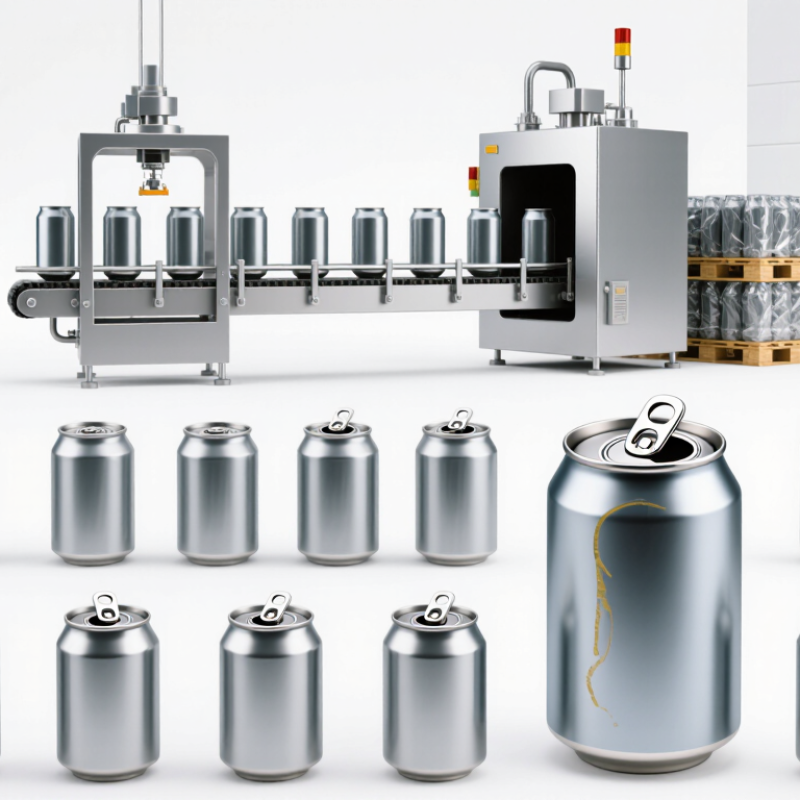
Aluminium Beer Can Basics and Global Market Overview
Aluminium beer cans are lightweight, stackable, and efficient for long-distance distribution. Common capacities include 330, 355, 440, and 500 millilitres. Dimensions vary by market and filling equipment.
A typical can uses a formed body, a separate end, and a carefully controlled double seam. The body alloy must resist denting during transport. The end needs enough strength for opening and internal pressure. A food-contact coating protects the beverage from direct metal contact. Its performance should be confirmed through supplier testing, not assumed from appearance.
The global market is not uniform. Recycling systems, deposit programs, filling standards, and labeling rules differ between regions. Buyers should check local requirements before approving a production run. Transport distance also matters. A lighter can may reduce freight weight, but weak packaging can increase damage and waste. The trade-off deserves attention.
Practical purchasing should include samples and production records. Check can dimensions, seam quality, coating coverage, print adhesion, pallet stability, and batch traceability. Ask for relevant food-contact declarations and test reports. Small dimensional differences can stop a filling line.
A common mistake is judging cans by appearance alone. A bright finish may hide poor seam control. Inconsistent results can also come from storage humidity or careless handling. Better decisions come from repeated trials, measured data, and honest review of failed samples. The cheapest quotation is not always the lowest total cost.
Key Features of the Best Aluminium Beer Cans in 2026
2026 Best Aluminium Beer Cans for Global Buyers
The best aluminium beer cans in 2026 combine reliable protection, efficient production, and responsible material use. Their lightweight bodies reduce shipping weight without making the can feel fragile. A strong double seam helps prevent leaks during filling, transport, and retail handling. Buyers should request seam inspection records, pressure testing data, and batch traceability before placing large orders.
A high-quality internal coating protects the beverage from metallic taste and chemical interaction. It should remain stable during pasteurization, storage, and temperature changes. Smooth can walls support clear printing and consistent appearance. Standard volumes, accurate neck dimensions, and dependable pallet packing also matter. Small dimensional errors can disrupt filling lines and create expensive delays.
Recycled aluminium content is increasingly important for global procurement teams. However, sustainability claims need supporting evidence, not attractive wording alone. Ask for material declarations, recycling information, and certificates from recognized testing bodies. Regional food-contact requirements may differ, so compliance documents should match the destination market. No can is perfect. Thinner material may reduce emissions, but it can lower dent resistance. I would test filled cans under realistic warehouse conditions before approving a final specification. Cold storage, vibration, stacking pressure, and humid containers reveal weaknesses that laboratory samples may miss. Reliable suppliers should explain these limits clearly, even when the answer is inconvenient.
2026 Best Aluminium Beer Cans for Global Buyers - Key Features of the Best Aluminium Beer Cans in 2026
| Can Format | Nominal Volume | Typical Diameter × Height | Typical Empty Can Weight | Body Alloy | End Alloy | Common End Size | Typical Use |
| Standard 330 ml | 330 ml | Approximately 66 × 115 mm | Approximately 13–15 g | Aluminium 3104 or equivalent can-body alloy | Aluminium 5182 or equivalent can-end alloy | 202 or 200 standard end | Mainstream beer, export multipacks and retail shelves |
| Standard 355 ml | 355 ml | Approximately 66 × 122 mm | Approximately 13–16 g | Aluminium 3104 or equivalent can-body alloy | Aluminium 5182 or equivalent can-end alloy | 202 or 200 standard end | North American retail, foodservice and mixed beverage packs |
| Sleek 330 ml | 330 ml | Approximately 58 × 146 mm | Approximately 12–15 g | Aluminium 3104 or equivalent can-body alloy | Aluminium 5182 or equivalent can-end alloy | 202 sleek-compatible end | Premium positioning, craft beer and convenience channels |
| Standard 440 ml | 440 ml | Approximately 66 × 157 mm | Approximately 16–19 g | Aluminium 3104 or equivalent can-body alloy | Aluminium 5182 or equivalent can-end alloy | 202 standard end | European retail, pubs, festivals and larger serving formats |
| Standard 473 ml | 473 ml | Approximately 66 × 168 mm | Approximately 17–20 g | Aluminium 3104 or equivalent can-body alloy | Aluminium 5182 or equivalent can-end alloy | 202 standard end | Large single-serve beer, craft products and convenience retail |
| Standard 500 ml | 500 ml | Approximately 66 × 168–174 mm | Approximately 17–21 g | Aluminium 3104 or equivalent can-body alloy | Aluminium 5182 or equivalent can-end alloy | 202 standard end | European and international larger-volume beer markets |
Key Features for Global Buyers in 2026
| Evaluation Dimension | Recommended Specification or Target | Buyer Benefit | Quality Check |
| Food-contact safety | Interior coating suitable for beer and compliant with the destination market’s food-contact rules | Protects flavour, shelf life and consumer safety | Request migration test reports and regulatory declarations |
| Recyclability | Unpainted aluminium body and end with compatible coatings and inks | Supports established aluminium recycling systems | Confirm local recycling guidance and material declarations |
| Recycled content | Specify a verified post-consumer or total recycled-content percentage according to the supply contract | Helps meet sustainability targets without relying on unverified claims | Require chain-of-custody or third-party verification where applicable |
| Barrier performance | Continuous internal lacquer coverage with no pinholes or exposed metal | Reduces corrosion, metallic taste and product deterioration | Use coating continuity, enamel-rating and storage tests |
| Seam integrity | Consistent double seam dimensions matched to the filling line | Prevents leakage, oxygen ingress and loss of carbonation | Check seam thickness, overlap, tightness and teardown results |
| Pressure resistance | Can design qualified for the product’s carbonation level, pasteurisation and transport conditions | Improves safety and reduces deformation during logistics | Request pressure, buckling and thermal-cycle test data |
| Dimensional consistency | Stable body diameter, height, flange and end profile within agreed tolerances | Supports high-speed filling, labelling and packing | Approve pre-production samples and statistical inspection records |
| Decoration quality | High-resolution direct printing or compatible shrink-sleeve decoration with scuff-resistant varnish | Improves shelf impact and protects graphics during handling | Test colour accuracy, adhesion, abrasion and condensation resistance |
| Pull-tab performance | Easy-opening tab with reliable score-line control and low sharp-edge risk | Enhances consumer convenience and opening safety | Perform opening-force, score-line and visual safety inspections |
| Transport efficiency | Nested empty cans with moisture-resistant protective packaging and pallet stability | Reduces freight weight, warehouse damage and handling costs | Confirm pallet pattern, container loading plan and drop-test results |
| Filling-line compatibility | Can profile and end specification matched to the buyer’s seamer, filler and packing equipment | Minimises line changeovers, downtime and rejected cans | Complete a machine trial using production-line samples |
Note: Dimensions and empty-can weights are indicative industry ranges for commonly used aluminium beer-can formats. Actual values vary according to can profile, wall thickness, end design, decoration method, tooling and applicable regional standards. Final specifications should be confirmed with approved production samples and filling-line trials.
Sustainability, Safety, and Regulatory Considerations for Buyers
2026 Best Aluminium Beer Cans for Global Buyers
Sustainability, Safety, and Regulatory Considerations for Buyers
Aluminium beer cans remain attractive because they are light, stackable, and widely recyclable. The International Aluminium Institute reports that recycling aluminium requires about 5% of the energy used for primary production. European Aluminium reported a beverage-can recycling rate of approximately 76% in Europe in 2022. These figures are encouraging, but collection systems differ sharply between markets. A recyclable can is not always a recycled can.
Buyers should request verified recycled-content data, material composition, and supply-chain documentation. The Aluminium Stewardship Initiative’s standards can support responsible sourcing and traceability. However, certificates alone are not enough. Check production dates, alloy specifications, coating records, and batch-level test results. Small documentation gaps can create large compliance problems.
Safety requires equal attention. Can coatings, inks, sealants, and aluminium surfaces should meet the food-contact rules of the destination market. In Europe, buyers commonly review Regulation (EC) No. 1935/2004 and Good Manufacturing Practice Regulation (EC) No. 2023/2006. In the United States, applicable FDA food-contact requirements must also be checked. Migration testing should reflect beer acidity, alcohol level, storage time, and temperature. Laboratory reports often use ideal conditions. Real warehouses can be hotter. That difference deserves more scrutiny.
2026 Best Aluminium Beer Cans for Global Buyers
Sustainability, Safety, and Regulatory Considerations
The chart compares published sector benchmarks for greenhouse-gas emissions from primary and recycled aluminium production. Recycled aluminium generally requires about 5% of the energy used for primary aluminium production, making recycled content a major purchasing consideration for beverage-can buyers.
Buyers should also verify food-contact compliance, coating and liner safety, migration-test results, traceability, and applicable requirements such as EU Regulation (EC) No. 1935/2004, EU Good Manufacturing Practice Regulation (EC) No. 2023/2006, and U.S. FDA food-contact regulations. Actual emissions vary by smelter technology, electricity mix, recycled content, can design, and transport distance.
Sources: International Aluminium Institute, aluminium greenhouse-gas and recycling benchmarks; European Commission food-contact-material legislation; U.S. FDA food-contact regulations.