2026 Best Vegetable Packing Machine for Global Buyers?
Choosing the right vegetable packing machine in 2026 requires more than comparing prices and output claims. Global buyers need equipment that matches their crops, packaging formats, labor conditions, and local compliance requirements. A machine designed for leafy greens may perform poorly with hard carrots or irregular potatoes. Product reality matters.
In this guide, we examine practical factors such as weighing accuracy, sealing quality, cleaning access, changeover time, and energy use. We also consider how machines handle moisture, bruising, dust, and uneven vegetable sizes. A reliable vegetable packing machine should support stable production without creating unnecessary waste. Stainless steel contact parts, tool-free access, and clear control panels can simplify daily operation. Small details matter.
Real factory experience often reveals more than brochures. Ask suppliers for test videos, sample results, maintenance records, and references from comparable facilities. Confirm whether spare parts and technical support are available in your region. A fast machine is not always the best investment. Sometimes, a slower model produces fewer rejected bags and lower total costs.
There is no universal winner. Crop conditions change. Labor skills differ. Even strong specifications may not predict performance in your facility. Buyers should test representative vegetables before signing a major order. Review seal strength, package appearance, cleaning time, and operator feedback. This approach creates a clearer, more responsible path toward selecting equipment that performs reliably in real global operations.
What Is a Vegetable Packing Machine in 2026?
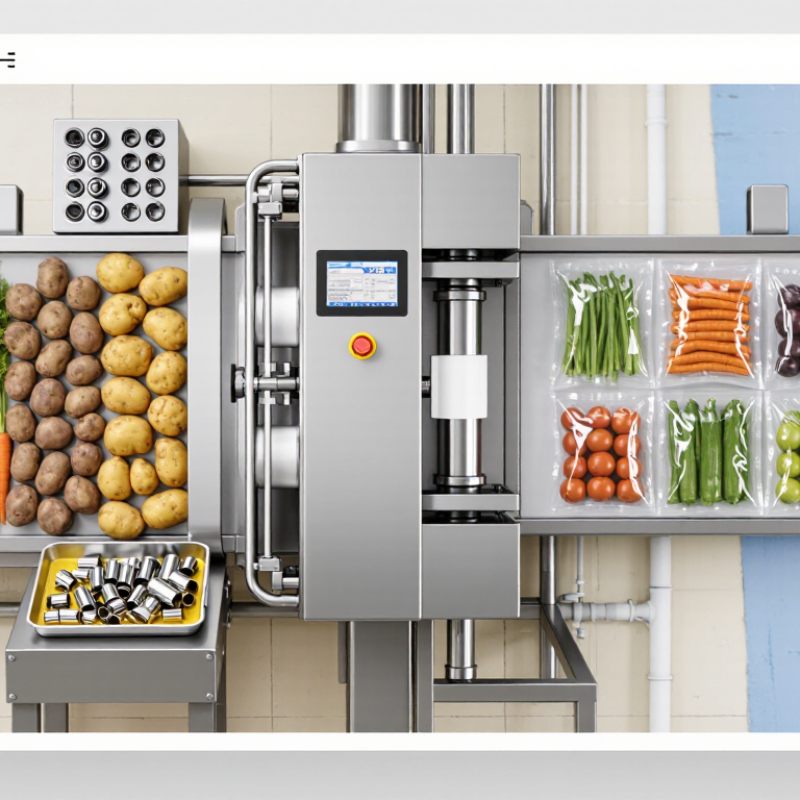
A vegetable packing machine is an automated system that measures, fills, seals, labels, and sometimes checks fresh produce packages. It may handle leafy greens, carrots, onions, potatoes, or mixed vegetables. The machine uses conveyors, weighers, bag makers, sealing jaws, and control software. Different vegetables need different handling speeds and packaging materials. Delicate lettuce needs gentler movement than firm root crops.
Fresh produce is inconsistent. Size, moisture, shape, and surface dirt can change daily. For global buyers, a suitable machine must manage these variations without excessive bruising or product loss. The FAO’s State of Food and Agriculture report estimates that 13.2% of food is lost after harvest and before retail. Better portion control and protective packaging can reduce some losses, but packaging alone cannot solve poor storage. The machine is not magic.
The UNEP Food Waste Index Report 2024 estimated 1.05 billion tonnes of food waste in 2022. This places practical pressure on accurate weighing and reliable sealing. Buyers should inspect washdown design, stainless-steel contact parts, sensor accuracy, spare-part access, and operator training. A perfect seal can still hide bruised vegetables. One field lesson: test real harvests. Laboratory samples are often too clean. A careful trial should measure speed, rejected packs, film use, product damage, cleaning time, and energy consumption. The weakest detail may control the whole line.
| Machine Type | Typical Vegetable Applications | Common Pack Format | Typical Capacity Range | Typical Bag or Pack Range | Best Use Case | Important Buying Considerations |
|---|---|---|---|---|---|---|
| Vertical Form-Fill-Seal (VFFS) | Potatoes, onions, carrots, green beans, peas, mixed vegetables and other cut or whole products | Pillow bags, gusseted bags and block-bottom bags made from roll film | Approximately 20–80 packs/min, depending on product, film and weighing system | About 0.25–5 kg per pack | High-volume retail and food-service packing | Choose a multihead weigher for irregular products; use corrosion-resistant, washdown-suitable construction in wet areas |
| Premade Pouch Packing Machine | Fresh-cut vegetables, salad mixes, frozen vegetables, sliced carrots and prepared vegetable portions | Stand-up pouches, flat pouches, zipper bags and vacuum-compatible premade bags | Approximately 15–60 packs/min | About 0.1–2 kg per pack | Premium retail packaging and products requiring printed or resealable pouches | Check pouch dimensions, zipper handling, product moisture and the required filling accuracy before purchase |
| Horizontal Flow-Wrapping Machine | Cucumbers, corn cobs, peppers, leafy vegetable portions, prepared trays and individual vegetable items | Three-side-sealed film packs using roll stock | Approximately 30–120 packs/min, depending on product length and infeed arrangement | Commonly 100 g–2 kg per pack | Individual products or regularly arranged vegetable portions | Product size, shape and stability must match the infeed conveyor and forming box; modified-atmosphere options may be available |
| Vacuum Packing Machine | Fresh-cut vegetables, blanched vegetables, mushrooms and products packed for extended chilled storage | Vacuum pouches, vacuum bags and thermoformed packs | Approximately 2–20 cycles/min, depending on chamber size and sealing method | About 0.2–10 kg per pack | Reducing air inside the package and supporting chilled distribution | Vacuum packaging does not replace refrigeration or food-safety controls; product temperature and residual oxygen targets are critical |
| Net Bagging Machine | Potatoes, onions, garlic, shallots, citrus-like produce and other robust whole vegetables | Knotted or clipped net bags with optional labels or handles | Approximately 10–30 bags/min | Commonly 0.5–25 kg per bag | Breathable packaging for whole vegetables and produce sold in larger retail quantities | Bag strength, mesh opening, automatic weighing and label application should match the product weight and distribution route |
| Weighing and Dosing System | Whole or cut vegetables supplied to a separate bagger, tray sealer or container filler | Feeds bags, trays, tubs, cartons or bulk containers | Approximately 20–80 weighments/min for common multihead configurations | Roughly 10 g–5 kg per weighing cycle, depending on hopper configuration | Accurate portioning before sealing or secondary packaging | Product flowability, target weight, allowable giveaway and the number of weighing heads affect performance |
| Tray-Sealing Machine | Fresh-cut vegetables, salad bowls, prepared vegetable portions and retail convenience packs | Heat-sealed film over rigid trays or containers; optional modified-atmosphere packaging | Approximately 4–20 cycles/min, depending on tooling and number of cavities | About 100 g–2 kg per tray | Retail-ready packs requiring a rigid presentation and consistent seal quality | Tray material, film compatibility, sealing temperature, gas flushing and leak testing must be specified together |
| Cartoning or Case-Packing System | Bagged or pouched vegetables packed into shipping cartons or display cases | Corrugated cases, cartons and retail-ready boxes | Approximately 5–30 cases/min, depending on case size and loading pattern | Typically 2–20 kg per case | Secondary packaging for warehouses, supermarkets and export distribution | Confirm carton dimensions, product orientation, case weight, pallet pattern and available floor space |
Related Posts
-
What is the Best Packaging Machine for Small Business Startups
-

2025 Top 10 Case Packers Every Business Needs to Consider
-
Top Bag Sealing Machines in China for Global Buyers?
-
What is a Vegetable Packaging Machine and How Does it Benefit Your Business
-
Why is Food Packaging Equipment Essential for Your Business?
-
Why Every Business Needs a Case Packer Machine for Efficient Packaging?