Top Animal Ear Tag Manufacturers for Global Buyers
Animal identification is more than a plastic marker on an ear. It connects animals to movement records, health histories, and day-to-day farm decisions. For global buyers, choosing an Ear Tag Animal supplier means weighing readability, retention, material quality, and compatibility with record systems. Small details matter. A tag that fades in strong sunlight or catches on a handling gate can create avoidable work.
The scale is substantial. FAO’s World Livestock 2011 report estimated that livestock contributed 40% of global agricultural output value and supported the livelihoods and food security of nearly 1.3 billion people. That figure is historical, not a current market estimate, but it shows why dependable identification matters across supply chains. ISO 11784 and ISO 11785 also provide technical frameworks for radio-frequency identification of animals. Buyers should still verify that a manufacturer’s products suit their species, equipment, and operating conditions.
Animal scientist Dr. Temple Grandin has said, “The animals are always right.” Her observation is not a product specification; it is a useful reminder to consider animal behavior and handling when selecting tags. A comfortable fit and clear application instructions deserve attention alongside price. No supplier is best for every farm. A durable tag cannot rescue incomplete records, either. Comparing samples, testing readability, and checking support arrangements can reveal practical differences before a large order is placed.
What Animal Ear Tags Are and How They Support Livestock Management
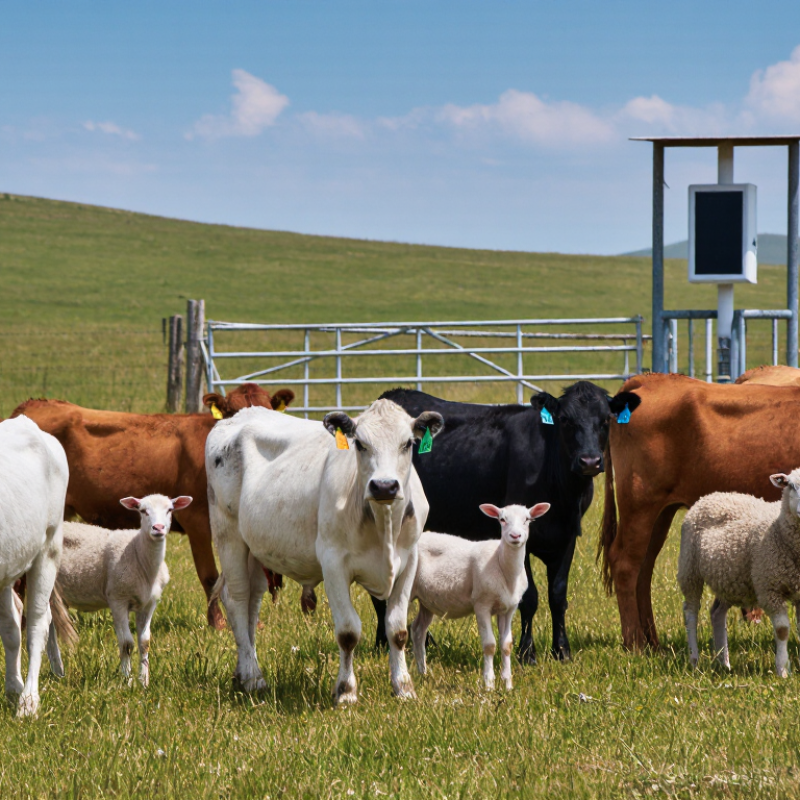
Animal ear tags are visible identifiers attached to an animal’s ear. A printed number helps staff recognize an individual at a glance. Electronic tags can also transmit an identification code to a compatible reader. The tag itself stores little information; farm records connect its number to details such as age, weight, vaccinations, breeding, and treatment history. Small details matter. A loose tag, faded number, or missed record can weaken that link. FAO’s World Food and Agriculture – Statistical Yearbook 2023 reports roughly 1.5 billion cattle worldwide in 2021. At that scale, consistent identification helps farms organize daily work and trace animal records across handling points.
During routine checks, a worker can scan a tag while an animal passes through a chute, then log its weight or flag a follow-up. Managers can use those records to monitor growth, plan breeding, and check treatment schedules. Visual tags are simple to read, while electronic systems can reduce repeated manual entry when readers and software work well together. Neither option fixes poor recordkeeping. A tag is not a complete record, though. Its value depends on accurate data entry, readable identification, and staff who update records after each relevant event. That gap deserves attention when farms choose a tagging system.
Animal Ear Tags: Identification Technologies for Livestock Management
Electronic ear tags help identify livestock and can support record-keeping, movement tracking, and compatible reader-based workflows. The chart compares the 134.2 kHz frequency used in ISO 11784/11785 animal identification with the broad 860–960 MHz span associated with UHF RFID allocations. UHF frequencies and permitted operating bands vary by region; the endpoints shown do not mean every tag or reader supports the entire span.
How to Evaluate Animal Ear Tag Manufacturers for Global Purchasing
When evaluating animal ear tag manufacturers for global purchasing, verify performance, consistency, and documentation—not just unit price. FAOSTAT’s 2022 livestock data places the world’s cattle population at roughly 1.5 billion, underscoring the scale of identification needs. Ask suppliers for batch-level quality records, material specifications, and independent test results against ISO 11784 and ISO 11785 for electronic identification. Where applicable, check whether devices appear in relevant ICAR evaluation or approval listings. Confirm that visual codes remain readable after abrasion, moisture, sunlight, and routine handling.
Test samples on the animals and applicators you actually use. Check tag fit, retention, readability, and whether workers can apply tags consistently with gloves on. A polished sample proves little. Request production samples from more than one batch, then compare weight, pin alignment, and code printing. Review capacity, lead times, packaging, and contingency plans for delayed shipments; a low quote is less useful if a seasonal order arrives late. Ask for clear records linking each shipment to its production lot. I would still treat supplier claims cautiously: field conditions vary, and laboratory results cannot predict every farm. That uncertainty deserves a place in the purchasing decision.
Leading Animal Ear Tag Manufacturers and Their Product Specialties
Leading animal ear tag manufacturers tend to specialize in a few practical areas. Some focus on bright visual tags with large, easy-to-read numbers. Others produce low-frequency RFID tags for routine herd identification, or electronic tags designed for automated reading. A third group offers custom shapes, colors, and printing for distributors. Product quality depends on more than the tag face: the pin, locking mechanism, and applicator all affect fit and retention. Small details matter.
FAOSTAT’s World Food and Agriculture Statistical Yearbook reports roughly 1.5 billion cattle worldwide in 2022, illustrating the scale of livestock identification needs. That figure does not measure tag demand, but it helps explain why buyers compare production capacity, consistent numbering, and replacement availability. Ask manufacturers for material specifications and field-test results, especially for humid, muddy, or high-UV conditions. One weakness in many purchasing plans is overemphasizing unit price. A cheap tag that fades or tears can create extra handling work.
Tips: Match the tag to the animal and reader before ordering. Check print contrast, pin compatibility, and sample tags in real conditions. Fit matters. Request a small trial batch; paper specifications cannot show every snag, fit, or readability issue.
Materials, Identification Technologies, and Compliance Standards
Animal ear tags face years of sunlight, rain, mud, and rubbing against fences. Flexible polyurethane or similar durable polymers can reduce cracking and irritation when edges are smooth and the fit is appropriate. Ask manufacturers for material specifications, UV-aging results, and evidence of batch-to-batch quality checks. A tag may look sturdy indoors. Field wear tells a different story.
Identification technology should match the farm’s workflow. Printed numbers are easy to read during close inspection, while RFID tags can support faster scanning and electronic recordkeeping. Confirm that readers can communicate with the tag’s frequency and data format before placing a large order. Test a sample in real conditions. Wet hands, dirty tags, and hurried handling can expose practical problems that a product sheet misses.
Compliance requirements vary by destination, species, and intended use. Buyers should request current documentation for identification, material safety, labeling, and traceability requirements in each target market. Check that the manufacturer can link production batches to inspection records and provide clear instructions for application. Paperwork matters. It is easy to overlook. Even reliable suppliers may not explain every local requirement, so importers should verify details with the relevant authorities before shipment.
How Global Buyers Can Compare Suppliers and Manage Procurement
Global buyers should compare animal ear tag manufacturers against the conditions tags will face: dust, rain, rubbing, and repeated handling. Request samples from each shortlisted supplier, then check readability, attachment strength, edge finish, and print clarity. A tag that looks good on a desk may snag in a working pen. Small details matter.
Ask for documented material specifications, production tolerances, batch traceability, and test methods—not only a catalogue description. Confirm that electronic tags support the identification standards required in your destination market, such as ISO 11784 and ISO 11785 where applicable. The World Bank’s 2023 Logistics Performance Index reports an average of 44 days for goods to travel from an exporting factory to their destination. Build that reality into reorder points, buffer stock, and seasonal purchasing plans. Lead times vary.
Compare quotations on total landed cost, including freight, tooling, packaging, inspection, and replacement terms. Request a pilot order before committing to a large volume, and record defect rates by batch. The FAO’s 2023 report, The State of Food and Agriculture, highlights livestock’s major role in agrifood systems; dependable identification supplies therefore support day-to-day farm operations. Still, a supplier scorecard cannot capture every field condition. Keep notes from staff who apply and scan the tags, even when feedback seems subjective.