Why Is an Automated Packaging System Essential for Modern Businesses?
In today’s fast-paced business landscape, the need for efficiency is paramount. An automated packaging system can dramatically enhance a company's operations. It streamlines processes, reducing labor costs and increasing productivity. Companies that invest in automation often see significant improvements in their supply chain efficiency.
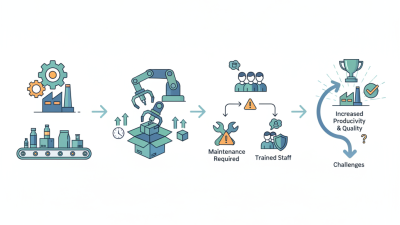
Imagine a warehouse where products are packed in mere seconds. These systems can handle various sizes and shapes, adapting to different products with ease. This flexibility is a game-changer for businesses facing fluctuating demands. However, the transition to automated systems can pose challenges. Initial costs are high, and training staff is necessary.
Despite these hurdles, the advantages often outweigh the drawbacks. The ability to scale operations smoothly is invaluable. Companies must reflect on their needs carefully. Is an automated packaging system the right choice? Will it truly enhance their logistics? These are questions every modern business should consider as they strive for success.
The Definition and Components of Automated Packaging Systems
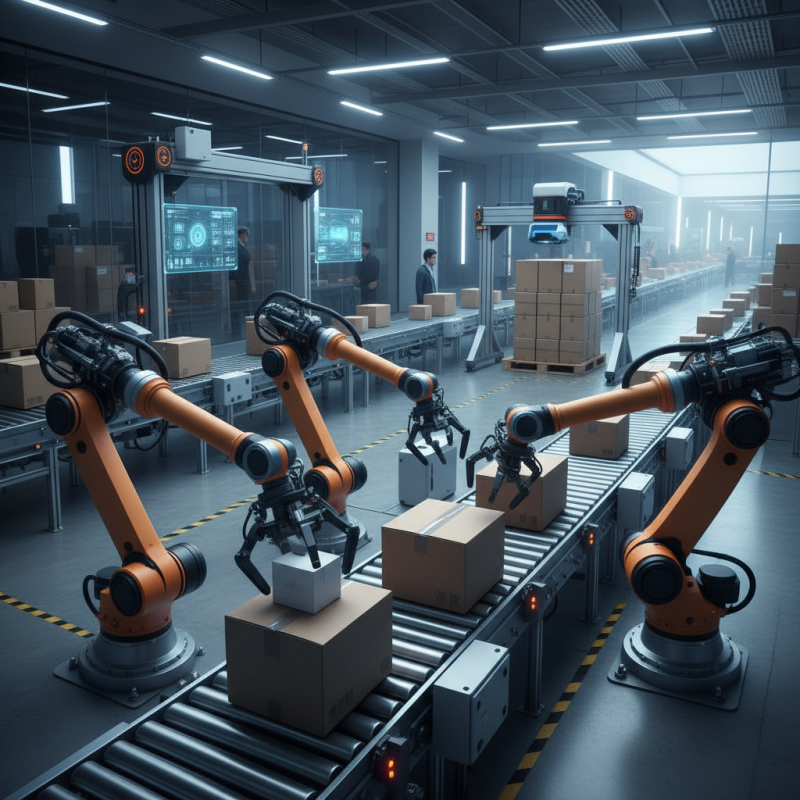
Automated packaging systems are crucial for modern businesses. These systems combine advanced technology to streamline packaging processes. They reduce labor costs and minimize human error. The primary components include machinery, software, and design elements tailored to product specifications. These elements work together to create efficient packaging solutions.
When choosing an automated packaging system, consider the product type and production speed. Not all systems fit every product. Some require flexibility, while others need precision. Each component should serve a specific purpose. Compatibility with existing systems is vital. If integration fails, it can disrupt entire operations.
Tips: Assess your production needs carefully. Identify potential bottlenecks in your current workflow. Evaluate your budget, but don’t overlook quality for cost. Automation can lead to savings, but poor choices can lead to setbacks. Consistently review your system’s performance. Are there areas for improvement? Always leave room for adjustments. A well-optimized system keeps businesses competitive and agile.
Why Is an Automated Packaging System Essential for Modern Businesses? - The Definition and Components of Automated Packaging Systems
| Component |
Description |
Benefits |
| Automated Cartoning |
Machine that forms, fills, and closes cartons automatically. |
Increases speed, reduces labor costs, and ensures consistent packaging. |
| Labeling Systems |
Equipment that applies labels to products or packages. |
Improves accuracy in labeling, minimizes waste, and enhances brand visibility. |
| Filling Machines |
Machines designed to fill containers with liquid or dry products. |
Increases throughput and reduces product spillage during filling. |
| Shrink Wrapping Machines |
Wraps products tightly using heat to shrink plastic film around them. |
Protects products, enhances shelf life, and provides tamper evidence. |
| Robotic Palletizing |
Automated systems that stack products onto pallets. |
Boosts efficiency, reduces injuries, and optimizes storage space. |
The Benefits of Automated Packaging for Operational Efficiency
Automated packaging systems play a crucial role in enhancing operational efficiency. These systems streamline the packaging process, reducing the time taken to package goods, allowing businesses to meet increasing demands. With faster packaging, companies can respond more quickly to market changes. An automated system can work continuously, minimizing downtime and maximizing output.
Implementing an automated packaging solution can also reduce labor costs. Fewer employees are needed for manual packing tasks. This shift can lead to reorganizing workforces and reallocating staff to more strategic roles. However, the transition is not always smooth. Workforce resistance may occur, and some training is necessary. Companies must ensure employees feel supported during this change.
Moreover, automated systems can reduce packaging waste. They use precise amounts of materials, leading to cost savings over time. Yet, that doesn't mean all waste is eliminated. Some challenges arise in adjusting existing processes to integrate these systems efficiently. Each business must tailor its solution to its unique needs. Balancing efficiency and human factors requires careful reflection and management.
Cost-Effectiveness of Investing in Automated Packaging Systems
Automated packaging systems are becoming crucial for businesses. They improve efficiency and reduce costs significantly. According to a report by Smithers Pira, the global market for automated packaging is expected to reach $85 billion by 2027. This rapid growth highlights the importance of automation in packaging.
Cost-effectiveness is a major reason why companies invest. Automation reduces labor costs and minimizes errors. A study from the Association for Packaging and Processing Technologies indicates that businesses can save up to 30% in operational costs through automated systems. By decreasing the reliance on manual labor, companies also reduce training expenses and improve overall productivity.
However, implementing automated systems isn't without challenges. Initial investments can be high, leading to hesitation. Businesses must evaluate their specific needs and potential return on investment. Many companies find they underestimate the long-term savings. It's essential to analyze workflows thoroughly and consider potential disruptions during the transition to automate. Balancing costs with operational efficiency is a constant challenge.
Technological Advancements Driving Modern Automated Packaging Solutions
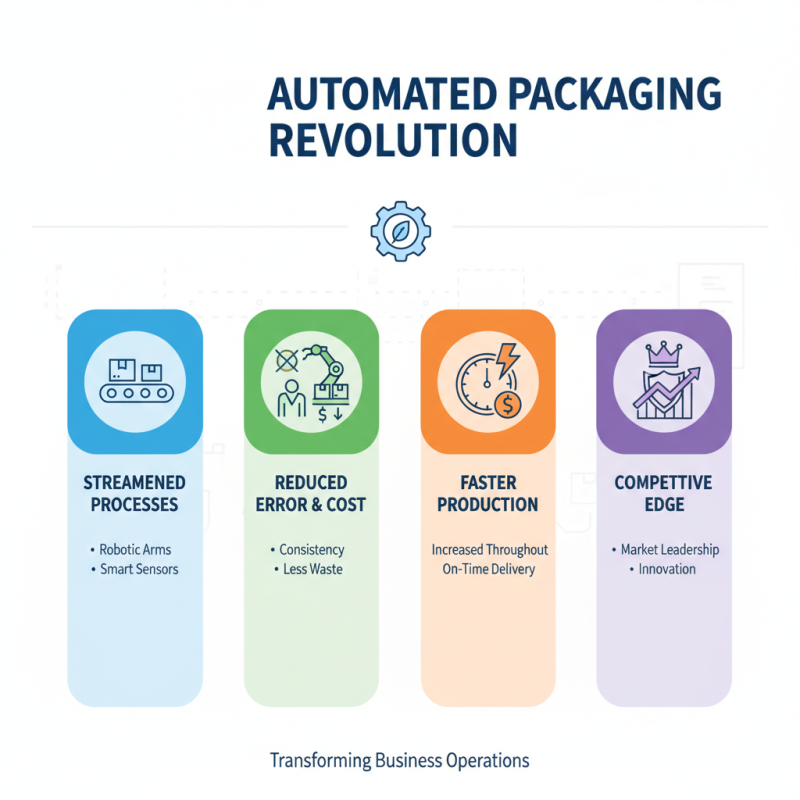
Automated packaging systems have transformed how businesses operate. With rapid technological advancements, these systems streamline processes. From conveyor belts to robotic arms, automation reduces human error. Efficiency leads to faster production times and lower costs. This is crucial for companies aiming to stay competitive.
Tips: Consider integrating real-time data analytics. Monitoring your packaging line can reveal bottlenecks. Small issues can escalate into significant delays without proper oversight. Investing in smart technology may enhance your process.
The adoption of automated solutions, however, requires careful planning. Many businesses rush into automation without assessing needs. Not every product benefits from automation. Understanding the specific requirements of your packaging is vital. Areas for improvement can be overlooked if rushed.
Tips: Develop a pilot program before a full rollout. Testing can help identify challenges early. Remember, technology is not a one-size-fits-all solution. Adapting automated packaging to your workflow can bring lasting benefits.
The Impact of Automated Packaging on Supply Chain Management
Automated packaging systems play a significant role in supply chain management today. These systems streamline operations, reduce manual labor, and increase efficiency. As demand grows, businesses must adapt. Automation allows for faster processing and more accurate packing. This can help meet customer expectations.
However, transitioning to automated solutions isn't without its challenges. Training staff is crucial. Many employees may resist change. There can also be initial costs that strain budgets. Companies need to weigh these factors against potential gains. Missteps in implementation can lead to delays and frustration.
Incorporating automated packaging offers advantages like inventory accuracy and reduced waste. Yet, the human element remains essential. Real-time adjustments may be needed to handle unique situations. Striking a balance between automation and human oversight is key to a resilient supply chain. Consider these dynamics carefully before making a leap into automation.
Impact of Automated Packaging Systems on Efficiency and Cost Savings