Top 10 Benefits of 5 Axis Machining for Global Buyers
The manufacturing landscape is evolving rapidly, with 5 Axis Machining leading the way. This advanced technique offers unparalleled precision and versatility. Global buyers are increasingly recognizing its potential to enhance production efficiency.
5 Axis Machining allows for complex geometries to be machined in a single setup. This reduces the need for multiple tool changes and setups, saving valuable time. Buyers can achieve intricate designs that were once difficult or impossible to produce. Moreover, this method minimizes the risk of human error, leading to higher reliability in production.
However, 5 Axis Machining is not without its challenges. Operators must have specialized skills and training to maximize its benefits. Additionally, the initial investment can be significant. Buyers need to weigh the long-term advantages against these upfront costs carefully. Adopting this technology requires an understanding of both its benefits and limitations.
Understanding 5 Axis Machining: An Overview for Global Buyers
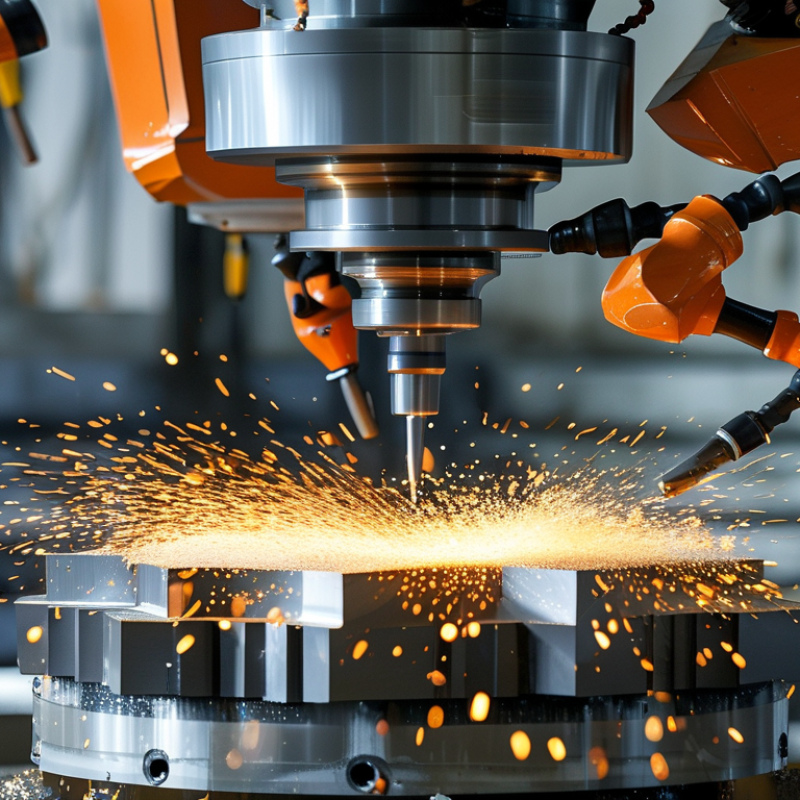
5 Axis Machining represents a significant advancement in manufacturing technology. It allows parts to be machined from multiple angles with a single setup. This approach streamlines production, improving efficiency and accuracy. According to a report by Grand View Research, the global CNC machining market is expected to reach $100 billion by 2025.
Buyers should consider the versatility of 5 Axis Machining. This method can produce complex geometries that traditional machining cannot achieve. The learning curve can be steep, so buyers must invest in training and experience. Efficiency gains can lead to substantial cost savings over time.
Tip: When selecting a machining provider, inquire about their experience with 5 Axis technology. Ensure they have proven capabilities in delivering precision parts.
Additionally, it's crucial to acknowledge potential challenges. Not all materials respond well to this method. Buyers need to determine the suitability of their specific components. Communicating clearly with machinists about project demands is vital.
Tip: Always review sample work before proceeding with large orders. Understanding quality standards upfront can prevent costly mistakes later.
Top 10 Benefits of 5 Axis Machining for Global Buyers
| Benefit | Description | Industry Application | Cost Efficiency |
| Increased Precision | Ability to create complex shapes and features with high accuracy. | Aerospace, Automotive | Reduced scrap rates due to higher accuracy. |
| Improved Efficiency | Reduction in the number of setups needed for machining. | Medical Devices, Electronics | Lower labor costs and increased throughput. |
| Versatility | Ability to machine various materials and complex geometries. | Tooling, Molds | Saves costs on tooling changeover. |
| Reduced Cycle Times | Less time spent on machining due to simultaneous operations. | Automotive, Aerospace | Increased production capacity. |
| Enhanced Surface Finish | Achieves superior surface quality on complex components. | Medical Devices, Consumer Products | Reduces post-processing requirements. |
| Minimized Waste | Efficient material utilization leads to less scrap. | Aerospace, Defense | Cost savings on raw materials. |
| Complex Design Capability | Ability to produce intricate designs that other machining can't achieve. | Aerospace, Automotive | Reduced need for multi-part assemblies. |
| Single Setup Machining | Reduces alignment errors with a single setup for complex parts. | Energy Sector, Tooling | Lower costs due to fewer setups. |
| Speed of Prototyping | Faster to market with new designs by reducing prototyping times. | Consumer Products, Electronics | Enhances competitive advantage. |
Improved Precision: Why 5 Axis Machining Enhances Product Quality
5-axis machining stands out for its ability to enhance product quality through improved precision. This technology allows tools to approach the workpiece from multiple angles. As a result, complex geometries are easily crafted with fewer setups. The precision these machines offer can reduce the need for rework or adjustments, saving both time and materials. A well-calibrated 5-axis system can achieve tolerances of just a few microns, thereby meeting stringent industry standards.
However, achieving such precision requires skilled operators. Misalignment or improper programming can lead to defects. Real-world training and continuous learning are crucial to maintaining the reliability of 5-axis machining. Many manufacturers still struggle with this learning curve. They must invest not only in the technology but also in human expertise to maximize its benefits. The reliability of this machine type comes with diligence and the understanding that errors can occur in the production cycle.
Moreover, the versatility of 5-axis machining enables the integration of varied materials in one project. This limits the risk of quality inconsistencies. However, not all materials behave the same under this machining process. Some may require specific tooling or conditions, which can complicate production. Buyers must remain aware of these intricacies to fully leverage the advantages of 5-axis machining for their products.
Increased Efficiency: Time-Saving Advantages of 5 Axis Processes
5 Axis machining brings significant time-saving benefits, enhancing efficiency for global buyers. Traditional machining often faces limitations, especially in complex designs. 5 Axis technology allows simultaneous movement on multiple axes. This capability means fewer setups and reduced idle times. The result is a streamlined workflow that saves valuable hours in production.
When considering 5 Axis machining, focus on precision. With advanced technology, details achieve accuracy that manual methods cannot match. However, it’s crucial to ensure that your machines are calibrated regularly. Poor calibration can lead to wasted materials and increased costs. Simple adjustments can make a substantial difference.
For buyers, understanding the workflow is essential. Efficient communication with manufacturers is key. Confirming capabilities, expected turnaround, and potential bottlenecks helps avoid delays. Consider trial runs on smaller projects to gauge performance. This practical approach can lead to better long-term partnerships. Investing in 5 Axis machining technology can greatly reduce production timelines, but accurate planning is paramount.
Cost-Effectiveness: How 5 Axis Machining Reduces Manufacturing Expenses
5-axis machining is transforming the manufacturing landscape. One major advantage is its cost-effectiveness. This technology allows for the creation of complex parts in one setup. Traditional methods often require multiple setups, leading to increased labor costs and longer lead times.
By reducing the number of setups, 5-axis machining minimizes human error and improves overall efficiency. Machines can operate continuously, which enhances productivity. This can result in significant savings, especially for high-volume production. Furthermore, 5-axis machining reduces scrap rates due to precise cutting and optimized tool paths. Less waste directly impacts the bottom line.
However, investment in advanced 5-axis machines can be substantial. Companies must weigh the upfront costs against long-term savings. Some businesses may find it difficult to justify this investment. A clear understanding of the potential return on investment is crucial. Miscalculating this can lead to financial strain. Balancing initial expenses with expected efficiencies is essential to make informed decisions in adopting this technology.
Top 10 Benefits of 5 Axis Machining for Global Buyers
This bar chart illustrates the various benefits of 5 axis machining regarding cost-effectiveness for global buyers. Each bar represents the percentage of cost reduction or efficiency gained from specific advantages, showcasing how 5 axis machining can lead to significant savings and improved productivity.
Versatility in Design: Expanding Capabilities with 5 Axis Techniques
The versatility of 5-axis machining significantly expands design capabilities, allowing for intricate geometries and complex parts. Traditional 3-axis machining often falls short in crafting detailed features, whereas 5-axis techniques facilitate multi-directional movements. This allows manufacturers to minimize setup time and enhance precision. According to a recent report by the International Journal of Advanced Manufacturing Technology, industries utilizing 5-axis machining can experience a reduction in production time by up to 30%.
Moreover, the flexibility in design opens avenues for innovation. Complex components, such as those found in aerospace and medical industries, can be produced more efficiently. For instance, 5-axis machining enables the creation of parts with undercuts and complex angles. Data from a recent market analysis indicated that the demand for such precision components is projected to grow by over 25% annually. This growth reflects the industry's shift toward more sophisticated manufacturing processes.
While the advantages are clear, there are challenges. The steep learning curve in programming and operating 5-axis machines can deter some manufacturers. Investing in training is crucial. Also, the initial costs for 5-axis machines remain high. For many companies, balancing budget with the need for precision remains a difficult conversation. A careful approach is necessary to fully leverage these capabilities while addressing potential limitations.