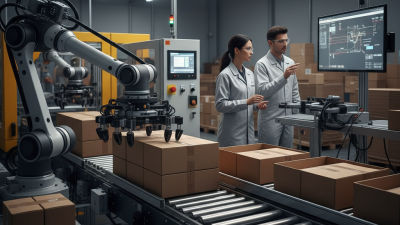
Top 5 Benefits of Using an Automatic Bag Filling Machine?
In today’s fast-paced manufacturing landscape, the efficiency and accuracy of packaging processes are crucial. The use of an automatic bag filling machine streamlines operations and reduces labor costs significantly. According to a report by Grand View Research, the global market for automated packaging is expected to exceed $80 billion by 2027, driven by the need for higher productivity and quality assurance.
One of the standout benefits of using an automatic bag filling machine is its ability to minimize human error. In many industries, manual filling can lead to inconsistencies and waste. With an automatic machine, precision is enhanced. This is essential in sectors like food and pharmaceuticals, where even slight variations can have serious implications. Additionally, companies report a decrease in labor-intensive tasks, allowing workers to focus on higher-value activities.
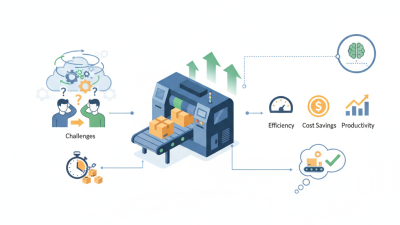
However, adopting this technology isn't without challenges. Initial investment and integration with existing systems can be daunting. Yet, as more companies embrace automation, the long-term gains often outweigh the upfront costs. An automatic bag filling machine not only boosts efficiency but also ensures that businesses remain competitive in a rapidly evolving market.
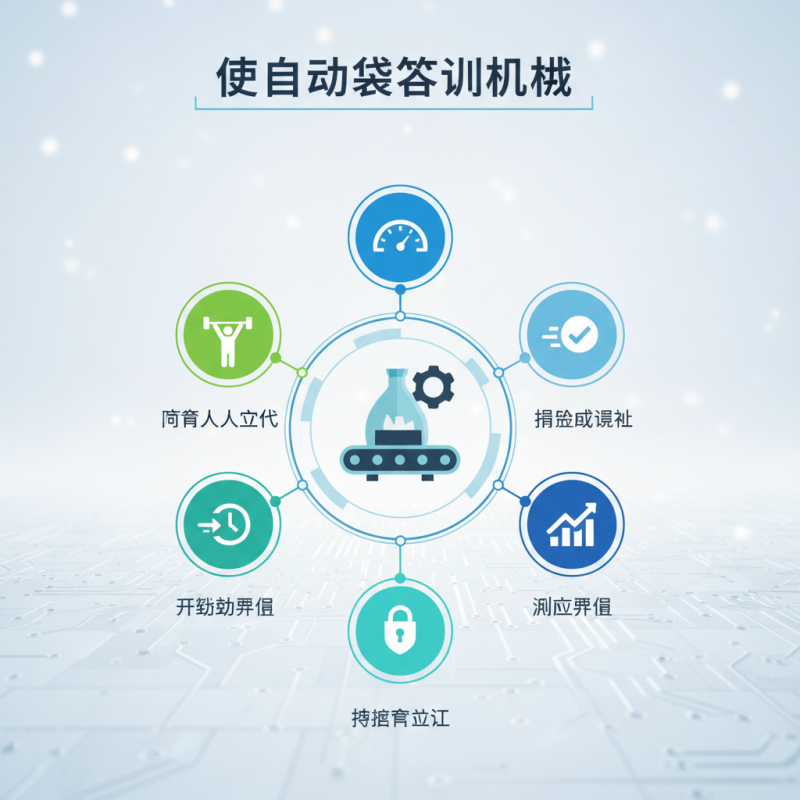
Advantages of Enhanced Efficiency with Automatic Bag Filling Machines
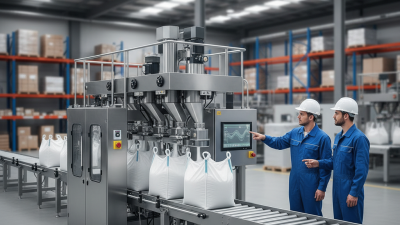
Automatic bag filling machines are revolutionizing the packaging industry. These innovative systems enhance efficiency dramatically. They can fill bags at a speed far greater than manual processes. This high-speed operation reduces labor costs and minimizes human error. When bags are filled accurately, it ensures uniformity in weight and volume, which is crucial for many businesses.
Moreover, the automation of bag filling allows for better resource management. Companies see less waste, as machines calibrate the precise amount needed. This efficiency doesn't just save materials; it also conserves time. Employees can focus on other tasks, boosting productivity across the board. However, businesses must consider the initial investment costs. For smaller operations, this could be a hurdle.
Another benefit of these machines is consistency in production. Unlike manual labor, automatic systems maintain the same filling standards. This reliability builds trust with customers who seek quality. While automatic machines are reliable, they still require regular maintenance to ensure optimal function. Neglecting this aspect can lead to downtime and affect production schedules. Even the most advanced machines need a human touch for upkeep.
Reduction of Labor Costs Through Automation in Bag Filling Processes
The adoption of automatic bag filling machines plays a crucial role in reducing labor costs. According to a report by the International Society of Automation, companies that implement automation in their filling processes can see labor cost reductions of up to 30%. This number highlights the significant impact of automating manual tasks. Less human involvement often leads to lower wage bills.
Many businesses overlook the hidden costs of manual filling processes, such as operational delays and human error. An estimated 70% of production facilities face downtime due to these issues. This shows that automation not only cuts direct labor costs but also enhances overall efficiency. The precision of machines minimizes errors, ensuring consistent quality and maximizing productivity.
Tip: Regular maintenance of automatic machines can prevent unexpected breakdowns. Mismanagement in this area can lead to increased operational costs. Make sure staff is trained properly to handle equipment. Proper training can prevent mishaps and improve workflow. Remember that investing in technology is only part of the equation; effective management practices are equally vital.
Improved Accuracy and Consistency in Filling and Packaging Operations
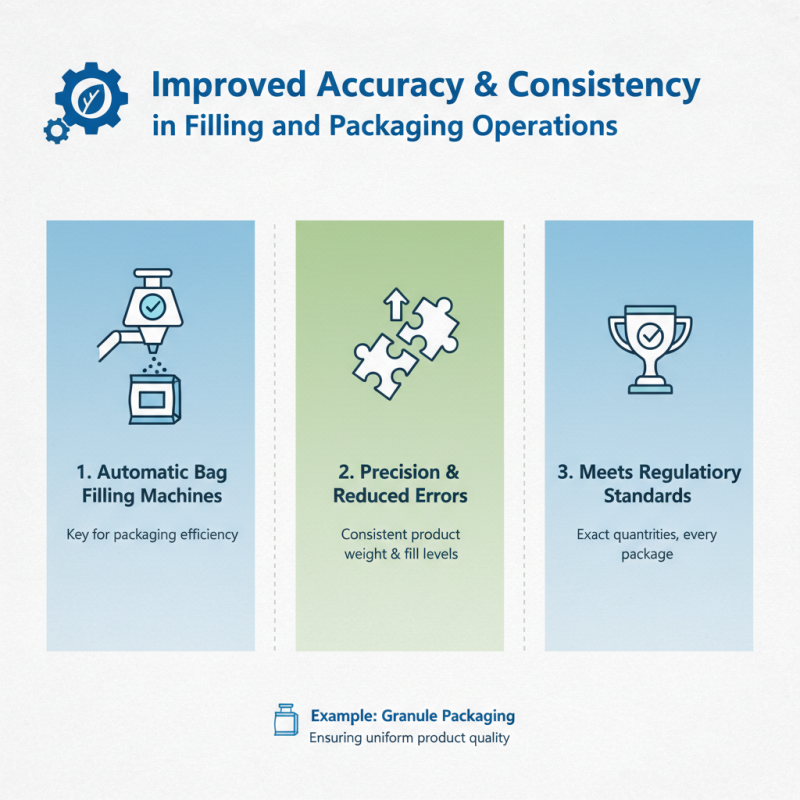
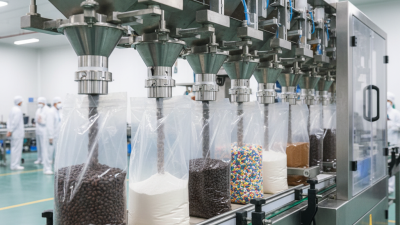
Automatic bag filling machines play a crucial role in improving accuracy and consistency in packaging operations. They are designed to handle various types of materials efficiently. This precision reduces human errors that can lead to inconsistent product weights or fill levels. For instance, when filling bags with granules, these machines can deliver exact quantities, ensuring that each package meets regulatory standards.
These systems not only enhance accuracy but also offer consistent performance over time. A machine calibrated correctly can maintain the same filling weight for thousands of bags. This reduces product loss and enhances profitability. However, initial setup and adjustments might take time. Operators need to understand how to maintain the equipment properly to avoid discrepancies.
While these machines provide significant benefits, challenges remain. Regular maintenance is necessary to prevent malfunctions that could disrupt operations. Additionally, operators must remain vigilant about potential calibration drift. Even small variations can affect product quality, leading to potential complaints. Balancing automation with human oversight is essential for optimal results.
Minimized Product Waste and Increased Material Utilization
Automatic bag filling machines are revolutionizing the packaging industry. One of their key benefits is the significant reduction in product waste. By precisely measuring the amount of material that goes into each bag, these machines ensure you use exactly what you need. This means less spilling or overfilling, which often occurs with manual methods. Businesses can achieve higher material utilization and save money in the long run.
Investing in an automatic machine can lead to better quality control. Consistency in filling means that customers receive the same product every time. This reliability can enhance customer satisfaction and brand loyalty. However, it is important to regularly maintain the machine. Neglecting maintenance could lead to inaccuracies, resulting in waste and increased costs.
Tips for optimizing your bag filling process include regularly calibrating your equipment and training staff on best practices. Consider your product type. Some materials may require specific handling to minimize waste. Continuous monitoring and adjustment can help maintain efficiency and quality. Keeping track of these factors is crucial to maximizing the benefits of your automatic bag filling machine.
Top 5 Benefits of Using an Automatic Bag Filling Machine
This chart illustrates the key benefits of utilizing an automatic bag filling machine. The data represents the percentage impact each benefit has on operational efficiency and product quality.
Flexibility and Scalability in High-Volume Production Environments
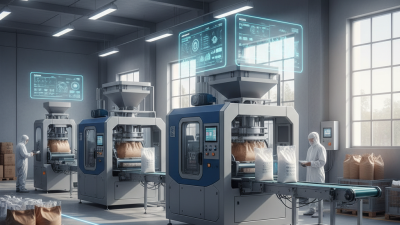
In high-volume production environments, flexibility and scalability are crucial. An automatic bag filling machine can adapt to different bag sizes and materials. This means businesses can easily switch between products without extensive downtime. Manufacturers often notice reduced labor costs as fewer operators are needed. The technology allows for a quick adjustment of settings. This is particularly valuable during peak seasons.
Scalability is another significant advantage. Companies can expand production capacity without major overhauls to their systems. As business demand grows, these machines can handle increased workloads. Many users appreciate the real-time monitoring features. However, integrating new equipment into existing workflows may pose challenges. Operators might need additional training to optimize performance and ensure safety.
Overall, while automatic bag filling machines offer clear benefits, they are not without their complexities. Balancing the need for efficiency with proper training is vital. Businesses must continuously assess their production processes. This ensures that they fully leverage the capabilities of these machines. The right approach can lead to improved productivity and profitability.
Top 5 Benefits of Using an Automatic Bag Filling Machine
| Benefit |
Description |
Impact on Efficiency |
Scalability |
| Increased Speed |
Automated processes significantly speed up the filling task compared to manual methods. |
Reduces cycle time, enhancing overall productivity. |
Easily accommodate larger production volumes. |
| Consistency |
The machine ensures uniform filling, minimizing variations in product quantity. |
Enhanced product quality and customer satisfaction. |
Support for diverse packaging types over time. |
| Labor Savings |
Reduces the need for manual handling, allowing staff to focus on other tasks. |
Lowers labor costs and increases operational efficiency. |
Scalable workforce management as demand changes. |
| Reduced Waste |
Minimizes product spillage and overfilling, reducing material waste. |
Promotes sustainability and cost-effectiveness. |
Flexibility in adjusting to different product weights. |
| Versatility |
Can be adapted to fill various types of bags and products. |
Accommodates a diverse range of products, enhancing market reach. |
Supports quick changes between different product lines. |