Best Food Packaging Equipment for Efficient Production?
The food packaging industry is evolving rapidly. In 2021, it was valued at over $250 billion, showing substantial growth potential. As consumer demand shifts towards sustainability, effective food packaging equipment becomes crucial. These machines not only enhance productivity but also align with eco-friendly practices.
Efficiency in production is now a priority. A report by the Packaging Machinery Manufacturers Institute indicates that companies investing in advanced packaging equipment can reduce operational costs by up to 30%. This reflects the increasing importance of technology in food packaging. Businesses need reliable machinery to meet market demands.
However, selecting the right food packaging equipment involves careful consideration. Each option has its own strengths and drawbacks. It's vital to evaluate specific needs and seek expert advice. A well-informed choice helps balance cost, efficiency, and environmental impact. The journey towards the perfect packaging solution is daunting but rewarding, requiring ongoing reflection and adaptation.
Understanding the Importance of Food Packaging Equipment in Production
Food packaging equipment plays a crucial role in food production. It impacts quality, safety, and shelf life. According to the Food Packaging Association, nearly 70% of consumers consider packaging when making purchasing decisions. This underlines the importance of investing in the right equipment for efficient production.
Efficient packaging systems minimize waste. They enhance productivity and reduce manual labor. In fact, industry studies show that automated packaging can improve throughput by up to 50%. Companies often overlook the importance of maintenance. Equipment breakdowns can lead to costly delays and safety risks. Regular maintenance ensures consistent performance and product safety.
Tip: Invest in equipment that suits your production scale. Consider flexibility, speed, and ease of use when selecting machines. Evaluate your process regularly. Updating technology can lead to significant gains in efficiency. Assessing existing workflows may reveal areas needing improvement. Regular feedback from staff can help optimize operations.
Types of Food Packaging Equipment Used in the Industry
In the food industry, efficient packaging is crucial for maintaining product quality and extending shelf life. Various types of food packaging equipment play significant roles in this process. Automatic filling machines, for instance, streamline product distribution by precisely controlling portions. According to a recent industry report, automated systems have increased production speeds by up to 50%, which directly contributes to cost savings.
Another critical piece of equipment is vacuum sealers, which remove air from packaging. This method inhibits the growth of bacteria, enhancing food safety. Research indicates that vacuum-sealed products can last up to five times longer than those packed traditionally. However, it’s essential to regularly maintain these machines to ensure optimal performance.
Tip: Always assess packaging material compatibility with equipment. Incompatible materials can lead to downtimes or even spoilage. Regular training for staff on equipment use can also prevent common operational mistakes.
Packing machines that apply labels automatically are equally vital. They ensure proper branding while speeding up the packaging process. Recent trends show that companies using labeling technology see a 30% reduction in human error. However, incorrect labeling can lead to recalls, highlighting the need for rigorous quality checks. As you evaluate your packaging equipment, keep an eye on advancements in technology that can improve efficiency while maintaining food safety standards.
Key Features to Consider When Choosing Packaging Equipment
When choosing food packaging equipment, several key features can enhance your production efficiency. Speed and output capacity are crucial. Select machines that align with your production goals. Look for models that can handle high volumes without compromising quality. A reliable machine can adapt to various packaging sizes as well. Flexibility in design can streamline changes during production runs.
Automation is another vital aspect to consider. Automated systems can significantly reduce labor costs and minimize human error. However, some advanced models may require specialized training. Evaluate user-friendliness along with automation levels. The equipment should be easy to operate, even for less experienced staff. Ensure that maintenance demands are manageable. Some machines may need frequent servicing, which can disrupt workflow.
Consider the materials used in the equipment. Stainless steel is a popular choice due to its durability and easy cleaning. However, not all manufacturers adhere to the same quality standards. Research the suppliers to ensure their trustworthiness. Quality matters not just for the equipment but also for your product's safety. Lastly, investing in energy-efficient options can reduce costs. Yet, weigh the initial cost against potential savings. Balancing these factors can lead to informed decisions for your production needs.
Best Food Packaging Equipment for Efficient Production - Key Features to Consider When Choosing Packaging Equipment
| Equipment Type |
Key Features |
Efficiency Rating |
Maintenance Frequency |
Average Cost ($) |
| Vertical Form Fill Seal (VFFS) |
Automatic bagging, adjustable speed, easy setup |
High |
Monthly |
15,000 |
| Shrink Wrapping Machine |
Film wrapping, adjustable temperature, fast operation |
Medium |
Bi-weekly |
8,500 |
| Cartoning Machine |
Automatic cartoning, multiple formats, user-friendly |
Very High |
Quarterly |
25,000 |
| Labeling Machine |
Accurate label placement, multi-size labels, high speed |
High |
Monthly |
5,000 |
| Filling Machine |
Automated filling, volume control, easy cleanup |
Very High |
Monthly |
12,000 |
Innovative Technologies in Food Packaging Solutions
Innovative technologies are transforming food packaging solutions, enhancing efficiency in production. Automation is one key area where significant advancements have been made. According to a report by Research and Markets, the global market for automated food packaging systems is projected to grow at a CAGR of 5% from 2021 to 2026. These systems streamline processes and reduce labor costs.
Another noteworthy advancement is smart packaging, which incorporates sensors and indicators. These tools help monitor freshness and safety. A study from the International Food Information Council suggests that 80% of consumers prefer products with smart packaging. However, the integration of these technologies remains complex and costly for many small businesses.
Sustainability is also a focus area. Biodegradable packaging materials are gaining traction. A report by Smithers Pira reveals that the global biodegradable packaging market will reach $400 billion by 2027. Despite this, the challenge lies in finding materials that maintain product safety and shelf life while being eco-friendly. Exploring these innovative technologies is essential for staying competitive, yet it demands careful evaluation.
Best Practices for Maintaining Food Packaging Equipment Efficiency
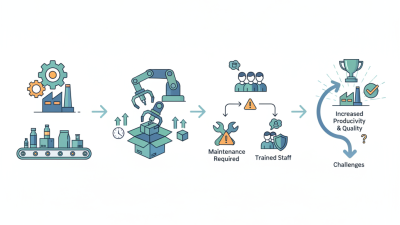
Maintaining food packaging equipment efficiency is crucial for modern production lines. A recent industry report highlights that downtime can cost manufacturers up to $250,000 per hour. Preventative maintenance strategies can significantly reduce these costs. Regular inspections and timely part replacements help ensure machines run smoothly. Equipment failures often result from neglect, such as skipped maintenance checks.
Training staff on proper usage is also vital. Studies show that nearly 30% of production inefficiencies stem from operator errors. Employees should understand equipment specifics. This knowledge minimizes mistakes and boosts overall output. Scheduled training sessions can reinforce these skills. Equipment manuals should be easily accessible and relevant.
Investing in monitoring technology aids efficiency. Remote monitoring systems can provide real-time data on machinery performance. A report states that predictive maintenance can save up to 12% compared to traditional methods. However, not all businesses have leveraged these tools yet. Many are still reactive rather than proactive. Reflecting on current practices may reveal areas needing improvement to enhance productivity.