Choosing the best Hydraulic Cutting Machine in China is not a matter of comparing price tags alone. The right machine must match the material, cutting area, required force, and daily production volume. A workshop cutting rubber sheets has different needs from a factory processing thick leather or foam. Look closely at the frame, hydraulic system, blade guidance, safety controls, and access to replacement parts. These details shape accuracy and uptime.
The basic engineering principle comes from Blaise Pascal, the French mathematician and physicist whose work explains hydraulic pressure. Pascal’s principle states: “Pressure applied to an enclosed fluid is transmitted equally in all directions.” That idea explains how a compact hydraulic system can deliver substantial cutting force. In practice, though, a principle is not a performance guarantee. A poorly matched pump, unstable frame, or inconsistent material feed can still cause uneven cuts.
Small details matter.
This guide compares Chinese hydraulic cutting machines by application, specifications, build quality, and supplier support. It also considers what buyers can verify: sample-cut results, machine documentation, service response, and clear warranty terms. Ask for a demonstration using your actual material, not just a clean sample prepared for a showroom. Check the cut edge. Listen for unusual pump noise. Measure repeatability across several cycles.
There is no single best machine for every buyer. That answer depends on production conditions, and it can change as those conditions change. Some specifications may look impressive on paper but prove less useful on the factory floor. A careful comparison helps separate practical value from attractive claims.
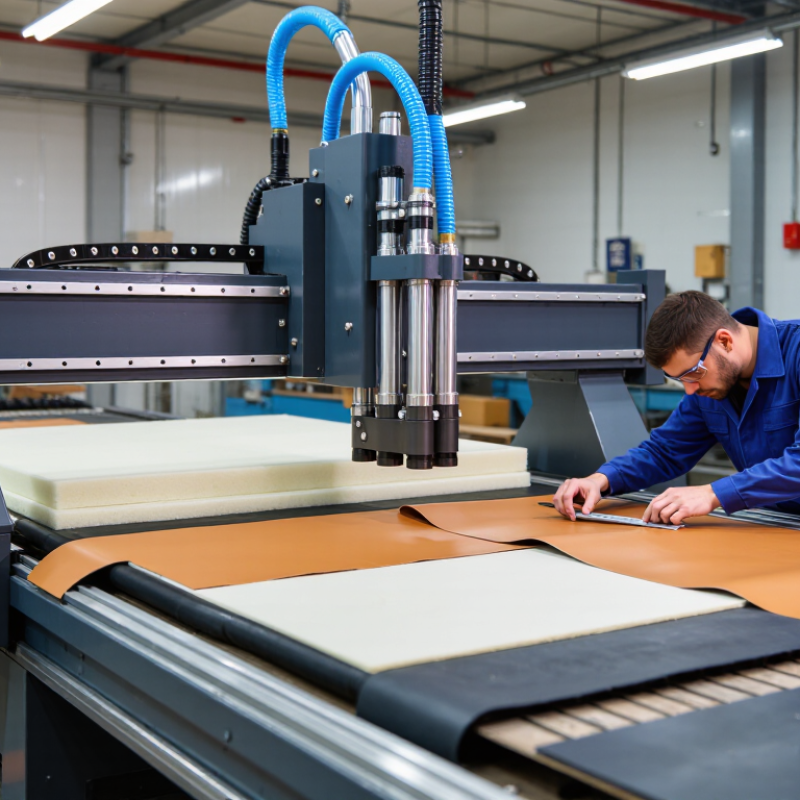
A hydraulic cutting machine uses pressurized oil to move a cutting head or platen with controlled force. A pump sends oil into a cylinder, pushing a piston and lowering the tool. The blade or die then cuts material placed on the worktable. Simple in principle.
Operators position the material, select suitable pressure and stroke settings, and activate the cutting cycle. Controls differ by machine, so the manual and hands-on training matter. Too much force can crush soft stock; too little may leave fibers connected. Clean oil and intact hoses help maintain steady operation. Test cuts are useful, though they can waste material when setup is rushed.
For buyers comparing machines made in China, “best” depends on the material, cut size, and daily workload. Check rated cutting force, working area, stroke adjustment, and available safety features against your actual production needs. Ask for clear specifications and, where possible, a sample cut using your material. A machine that performs well on one substrate may produce uneven edges on another. Even experienced operators may need to revise settings after a material change.

Hydraulic cutting machines are commonly used for sheet and layered materials that need repeatable shapes. Typical materials include leather, fabric, foam, rubber, felt, and gasket stock. A steel-rule die presses through the material onto a cutting board, producing parts such as shoe uppers, seals, padding, and packaging inserts. Some machines can process thin plastics or composite sheets, but suitability depends on material hardness, thickness, and die design. Test cuts matter.
These machines serve footwear, furniture, automotive interiors, luggage, insulation, and packaging production. In a footwear workshop, for example, operators may cut several leather layers into matching components. Upholstery shops use them for foam cushions and fabric panels, while gasket makers cut consistent shapes from rubber sheets. The right setup depends on cutting force, working-bed size, stroke, and production volume. A powerful press is not automatically better; excessive force can damage dies or compress soft foam. There is no perfect setup. Even experienced operators may need to adjust pressure and alignment when material batches vary slightly. Check edge quality, waste, and operator handling during real production trials before selecting equipment.
Hydraulic cutting machines made in China generally fall into two groups: metal shears and press-style cutters. Hydraulic guillotine shears cut sheet metal with a straight blade, while swing-beam shears use a pivoting blade for repetitive workshop work. CNC backgauges help position sheets accurately, but blade clearance and material thickness still need careful setup.
For non-metal materials, Chinese manufacturers also produce hydraulic die-cutting presses. Common designs include swing-arm clicker presses for smaller patterns, travelling-head presses for larger work areas, and flatbed beam presses for repeated cuts through stacked material. These machines are used for leather, foam, rubber, and textiles. Not interchangeable. A travelling head suits large sheets, while a swing-arm model offers easier access for small parts.
Pump performance affects operating cost and consistency. The U.S. Department of Energy’s Improving Pumping System Performance sourcebook estimates that pumping systems use nearly 20% of global electricity demand. That figure covers pumping systems broadly, not cutting machines alone. Still, it makes hydraulic pump sizing, heat buildup, and leakage worth checking during equipment selection. A factory specification sheet may look complete, yet real cutting accuracy also depends on tooling, maintenance, and the material being processed. That part is easy to underestimate.
There is no single best machine for every job. Chinese manufacturers produce several types of hydraulic cutting equipment; the right choice depends on the material, cutting method, workpiece size, production volume, and required accuracy. The comparison below describes common machine types, not specific manufacturers or brands.
| Machine Type | How It Cuts | Typical Materials | Best Suited For | Key Advantages | Important Checks When Selecting |
|---|---|---|---|---|---|
| Hydraulic swing-arm clicker press | A manually positioned swing arm presses a cutting die into the material. | Leather, textile, foam, rubber, gasket sheet, and other flexible or non-metal materials. | Small or medium production runs, varied shapes, and workpieces that operators can position by hand. | Flexible die placement, relatively simple operation, and a compact footprint compared with many larger presses. | Confirm cutting force, working area, swing-arm reach, safety controls, and whether the material and die can be cut in one stroke. |
| Hydraulic traveling-head press | A powered cutting head moves along a beam to press a die at different positions on the worktable. | Foam, textiles, leather, rubber, composites, and other sheet or layered materials. | Larger sheets, repeated die cutting, and production where the cutting head needs to reach multiple areas of the worktable. | Can cover a larger cutting area without requiring an equally large single platen; useful for organized, repeatable cutting layouts. | Check cutting area, head travel, positioning method, stroke, force, and the time required to reposition or load material. |
| Four-column hydraulic die-cutting press | A guided platen moves vertically between columns to press a die onto the material. | Rubber, plastic sheet, foam, textile stacks, gasket materials, and other die-cuttable non-metal materials. | Production requiring a broad, evenly supported platen or repeatable cutting across a defined work area. | The column-guided structure helps keep the platen aligned during its stroke; it can be configured for different platen sizes and production needs. | Compare platen dimensions, daylight opening, stroke, pressure distribution, die compatibility, and the required number of operating cycles. |
| Hydraulic guillotine shear | Opposing blades shear sheet or plate metal in a straight line. | Sheet and plate metals, including common grades of mild steel and stainless steel, subject to the machine’s rated capacity. | Straight cuts in metal sheet for fabrication, workshops, and production lines. | Designed for straight-line metal cutting and available with different blade lengths and capacity configurations. | Match rated cutting capacity to material type, thickness, and sheet width; also check blade clearance adjustment, back gauge, and guarding. |
| Hydraulic ironworker with shearing functions | Hydraulic stations perform operations such as bar, angle, or plate shearing; many models also include punching functions. | Metal plate, flat bar, angle, and other profiles supported by the machine’s tooling and rated capacity. | Metalworking shops that need several basic cutting and punching operations from one machine. | Combines multiple metalworking functions in one machine, which can reduce the need for separate equipment for smaller workshops. | Check the capacity of each station separately, available tooling, material profile limits, changeover requirements, and applicable safety provisions. |
Practical selection rule: Choose a die-cutting press for shaped cuts in flexible or sheet materials, a guillotine shear for straight cuts in metal sheet, and an ironworker when several basic metalworking operations are needed. Always verify the machine’s rated capacity against the actual material, thickness, dimensions, tooling, and duty cycle before purchase.
When comparing Chinese hydraulic cutting machines, start with the material and daily workload, not the quoted tonnage alone. A machine cutting thick rubber needs different pressure, stroke, and tooling from one trimming thin foam. Ask for the usable cutting area, maximum stroke, and pressure range in writing. Then test your own material, if possible. A clean edge on a sample tells you more than a polished brochure.
Check repeatability across several cuts. Place a ruler beside the sample and look for uneven edges, compression marks, or material shifting on the bed. Small differences matter in production. Inspect the frame, hydraulic hoses, guards, and two-hand controls, and ask how routine maintenance is performed. Look closely. Request details on spare-part availability, response times, and the warranty’s actual coverage. These points can vary by supplier and configuration, so confirm them rather than assuming every machine is alike.
Compare power use and cycle speed under realistic conditions, not just ideal settings. Ask for a video or live demonstration using a similar material thickness. A low price may leave out tooling, installation, or operator training. It is easy to focus on the machine and overlook those costs. Still, some specifications may be difficult to verify remotely; an independent inspection can reduce that uncertainty before purchase.
Which hydraulic cutting machine best fits your requirements? Start with the material, not the machine’s advertised tonnage. A unit that cuts thin gasket sheet may struggle with dense rubber or stacked fabric. Note the material type, maximum thickness, sheet width, and expected daily output. Small details matter. A 600 mm bed will not handle a wider workpiece without repositioning.
Compare cutting force, stroke, daylight, and working-table size against your actual jobs. Ask the supplier for a test cut using your material and a representative tool. Inspect the cut edge for tearing, compression, or uneven depth. Request operating and maintenance information, too. Pump noise, oil temperature, and access to filters can affect daily use. A polished specification sheet does not reveal everything.
Consider how often the machine will run and who will operate it. For frequent production, check cycle consistency, control options, guarding, and access for routine service. For occasional work, a simpler configuration may be more practical. There is no perfect comparison from tonnage alone; product shape and tool design change the result. I would leave room in the specification for future jobs, but not pay for capacity that will sit unused. Before choosing, confirm the supplier’s stated performance under conditions close to your own.
Compare theoretical hydraulic force at a constant working pressure to help assess your cutting-force requirements.
The values are calculated from cylinder bore area × pressure, assuming 20 MPa and ideal conditions: 100.5 kN for an 80 mm bore, 157.1 kN for 100 mm, 245.4 kN for 125 mm, and 353.4 kN for 150 mm. Actual cutting force can be lower due to system losses and machine design. Choose a machine based on your material, thickness, cutting area, and required production rate—not force alone.
A&B has become the leader in fresh packing and cleaning equipment for fruits and vegetables worldwide. We have achieved this by relentlessly working to produce new and innovative ideas, along with the best customer service on Earth combined with hard working, dedicated, loyal employees and the latest industrial manufacturing techniques. We are now proud to say that we manufacture The Fulcrum Fresh Harvester, this is a one of a kind Berry Harvester that was specifically designed to handle fresh pick blueberries.
732 W. Saint Joseph Street
Lawrence, MI 49064
Phone: 269-539-4700 Fax: 269-539-4705
sale@industrialpackagingmachines.com