Best Packing Equipment for Efficient Shipping and Storage?
In today's fast-paced logistics environment, choosing the right packing equipment is crucial. Efficient shipping and storage depend on how well items are packed. Quality packing equipment minimizes damage during transit and ensures items arrive safely.
Many businesses overlook the importance of proper packing tools. A sturdy box can make a difference. Similarly, using the right cushioning materials can protect fragile items. Simple decisions impact efficiency. Yet, not all companies invest in high-quality packing equipment. This can lead to costly mistakes.
Selecting the best packing equipment requires careful consideration. Factors such as size, durability, and cost come into play. Many options are available, from boxes to bubble wrap. However, businesses must reflect on their specific needs and challenges. Balancing these needs with budget constraints can be difficult. Understanding the value of appropriate packing solutions is essential for success.
Types of Packing Equipment for Shipping and Storage
When it comes to shipping and storage, the right packing equipment can make a significant difference. Various tools are essential for efficiency. For instance, stretch film is popular in many warehouses. A report by the Packaging Association indicates that stretch film usage has increased by 20% over the past year. This tool provides excellent load stability and protection during transit. However, improper application can lead to wasted material and increased costs.
Boxing systems are another critical element. Many companies use auto-boxing equipment to speed up the packing process. According to industry data, firms that invest in such technology see a 30% reduction in labor costs. The downside? Not all products fit neatly into standardized box sizes. This mismatch can lead to inefficiencies and ongoing adjustments in packing operations.
Additionally, void fill materials, like paper or air pillows, help maximize space. These materials prevent damage during transit, yet they can contribute to waste if overused. A study from the Eco Packaging Coalition highlights that around 30% of packaging materials end up in landfills. Reevaluating these practices is vital; balancing efficiency with environmental responsibility remains a challenge in the industry.
Best Packing Equipment for Efficient Shipping and Storage
This bar chart represents the efficiency ratings of various packing equipment essential for shipping and storage. Each type of equipment is rated on a scale from 1 to 10, showcasing their effectiveness in ensuring secure transportation and storage of goods.
Factors to Consider When Selecting Packing Equipment
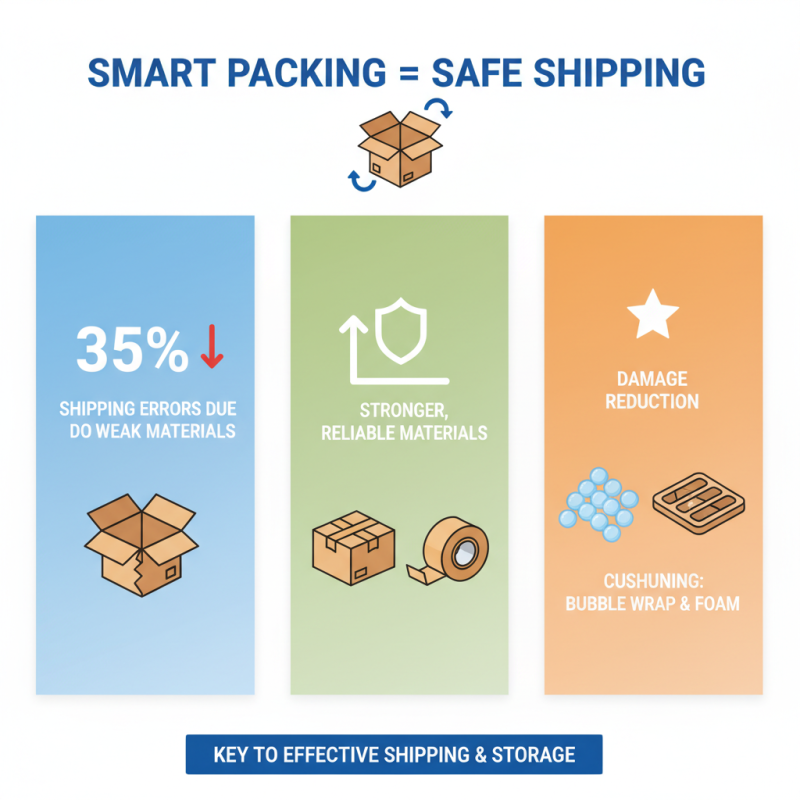
Selecting the right packing equipment is crucial for effective shipping and storage. One key factor is the type of materials used for packaging. According to a recent industry report, 35% of shipping errors stem from inadequate packing materials. This highlights the need for stronger, more reliable materials. Appropriate cushioning, such as bubble wrap or foam inserts, can significantly reduce damage during transit.
Another important consideration is the automation level of packing equipment. Advanced automated systems can improve efficiency by reducing labor costs. A study indicated that companies using automated packing equipment increased their shipping speed by 20%. However, this approach requires an upfront investment and a training period. Small businesses may struggle with the initial costs, which makes it a challenging option.
Space management can’t be overlooked either. Choosing equipment that optimizes storage space is essential. For example, adjustable shelving allows for flexibility in storage. However, not all equipment is equally effective in utilizing vertical space. Some setups lead to wasted area. It’s vital to regularly assess packing methods and equipment. Continuous improvement can make a significant difference in shipping efficiency.
Advantages of Using Automated Packing Solutions
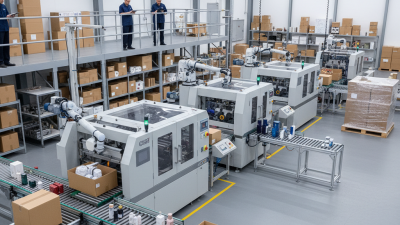
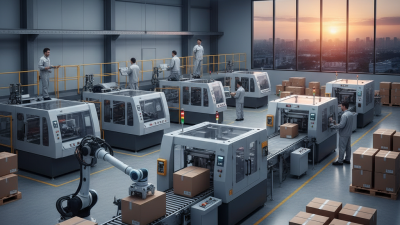
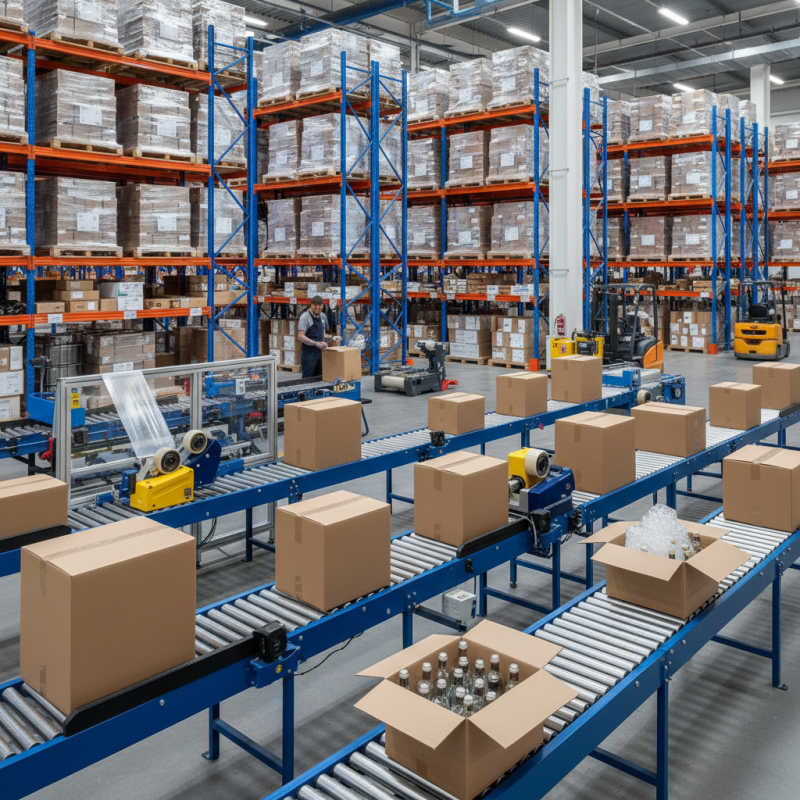
Automated packing solutions offer various advantages for both shipping and storage. They streamline processes, saving time and reducing labor costs. These systems can handle repetitive tasks efficiently, which minimizes the chances of human error. Imagine a conveyor belt moving boxes with precision, ensuring everything is packed correctly. This level of accuracy can significantly reduce product damage during transit.
Using automated systems also improves the overall workflow. With a packing machine, workers can focus on quality control. This shift allows teams to catch mistakes early, enhancing productivity. However, companies must consider the initial investment in technology. The transition can be challenging, and not every operation needs full automation. Reflecting on the balance between efficiency and cost is crucial for choosing the right packing solution.
Moreover, automated systems can adapt to different package sizes. They can be programmed for various dimensions, offering flexibility. Yet, not all businesses may need this feature. Smaller operations might find it overwhelming. Understanding your specific needs will guide your decision. Ultimately, the goal should be to create a blend of efficiency and practicality. The right equipment can lead to smarter storage and shipping solutions.
Best Practices for Efficient Packing and Storage
When it comes to packing efficiently, using the right materials is essential.
Sturdy boxes, bubble wrap, and packing peanuts
can help protect items during transit.
Choose the size of the box carefully. Too big or too small can lead to problems.
If the box is too large, items may shift. If it’s too small, they're squeezed, risking damage.
Labeling is another key aspect of effective packing.
Clear labels help identify contents quickly. This saves time when unpacking.
Color coding can also streamline your process. Use different colors for various categories of items.
It’s a simple way to enhance organization. Despite these practices, mistakes can happen.
A box without a label can create chaos.
After packing, consider the storage environment.
Temperature and humidity can affect certain items. Keep sensitive products away from moisture.
Regularly inspect stored goods to ensure they remain in good condition.
Awareness of your practices is essential for improvement. Reflect on past packing experiences to identify areas for growth.
These changes can lead to more efficient practices moving forward.
Comparative Analysis of Packing Materials and Their Efficiency
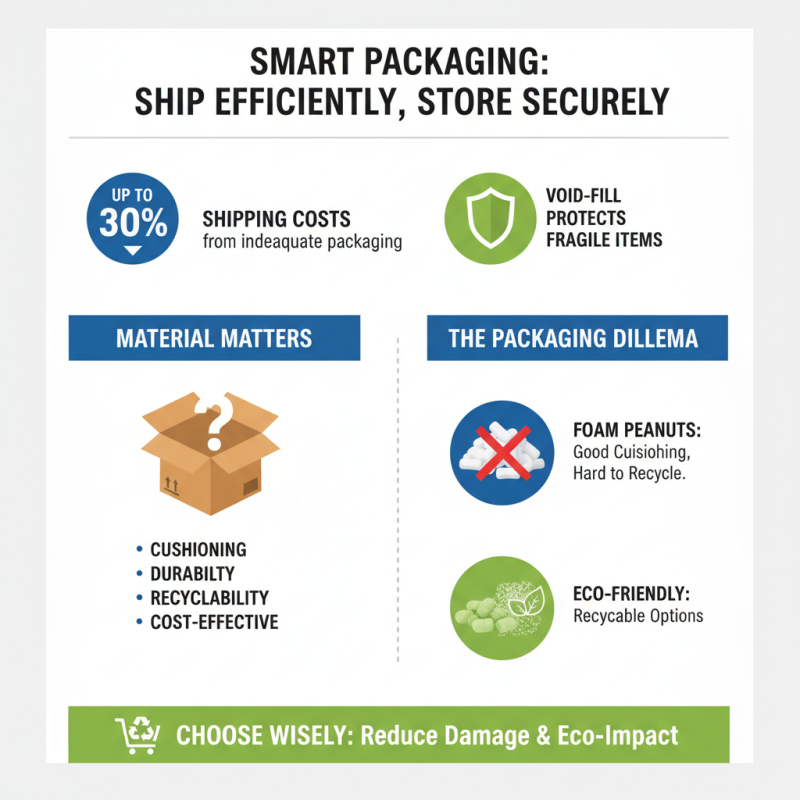
Choosing the right packing materials is crucial for efficient shipping and storage. A recent study indicates that up to 30% of shipping costs arise from inadequate packaging. For instance, void fill materials can help protect fragile items, reducing damage rates. However, not all materials perform equally. Foam peanuts, for example, offer cushioning but are challenging to recycle. This creates a dilemma for eco-conscious businesses.
In contrast, biodegradable packing options are gaining traction. Research shows that 60% of consumers prefer sustainable packaging over traditional materials. It reflects their awareness of environmental impact. While these options are often costlier upfront, they may save money in the long run by preventing damages. Companies now face a difficult choice: invest in sustainability or stick with cheaper, less eco-friendly solutions.
Moreover, the choice of materials can impact storage efficiency. Carton dimensions and strength determine how items are stacked. Misaligned sizes can lead to wasted space. A report from the International Council on Packaging suggests that optimized packing can enhance warehouse capacity by 25%. Hence, businesses should continually reassess their packing strategies to balance cost, sustainability, and efficiency.