How to Buy Chaga Powder in Bulk in 2026?
Bulk buying Chaga Powder in 2026 calls for more than comparing price per kilogram. Buyers need to verify what is inside each lot, how it was processed, and whether the supplier can reproduce the same specifications. Grand View Research estimated the global mushroom market at USD 63.7 billion in 2023, with projected growth through 2030. Its report covers mushrooms broadly, not Chaga Powder alone. Nutrition Business Journal’s Supplement Business Report likewise offers useful context on the wider supplement market, but broad growth figures cannot prove demand for one ingredient. That matters.
Mycologist Paul Stamets, founder of Fungi Perfecti, has described mushrooms as “miniature pharmaceutical factories.” It is a memorable phrase, not a quality guarantee. For a bulk order, ask for the product’s botanical identity, origin, processing method, and a lot-matched certificate of analysis. Check that testing covers relevant contaminants, including heavy metals and microbes. Compare particle size, moisture limits, packaging, minimum order quantity, and lead time; a low quote can hide costly differences. If the powder is extracted, request the extraction details rather than assuming all powders are equivalent. Confirm that supplier claims and certifications can be independently checked. A sample may look fine in a jar, yet still fail your written specification. This guide will help buyers assess suppliers, compare offers, and build a sourcing checklist—while keeping one point in view: available market reports do not settle every question about Chaga Powder quality or demand.
Understanding Chaga Powder Types, Grades, and Bulk Uses
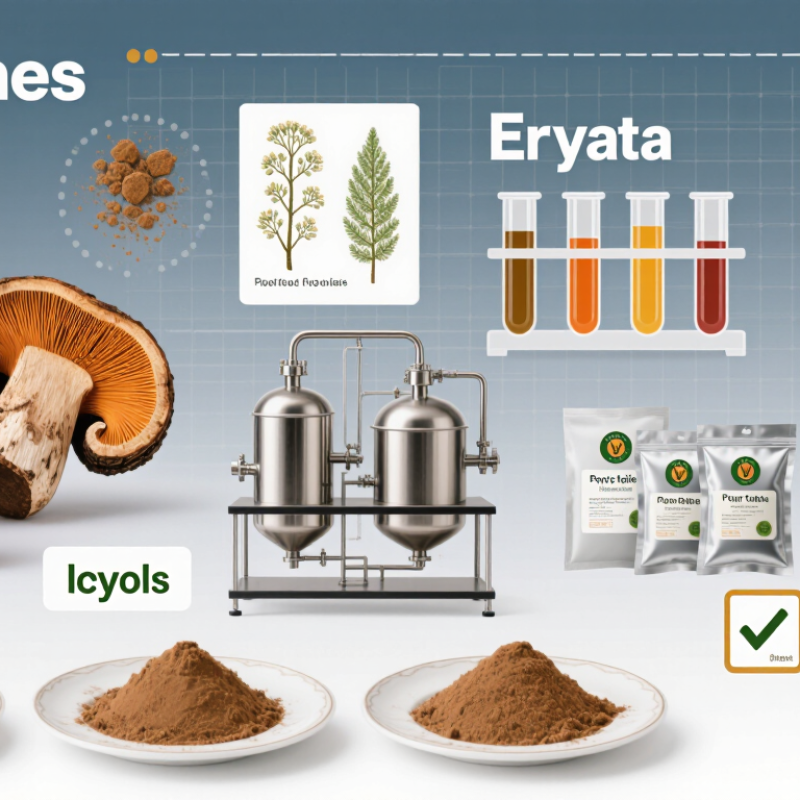
When planning a bulk Chaga powder purchase in 2026, identify the product type before comparing prices. Milled mushroom powder contains the ground material, while water-extracted powder has been processed to concentrate water-soluble components. They are not interchangeable in recipes. Check whether an extract includes a carrier, since this can affect the ingredient’s proportion and how it mixes. Read the specification sheet, not just the front label.
“Grade” can mean different things between suppliers. There is no single universal grading scale. Ask for the stated species, country of origin, processing method, particle size, and moisture limit. Request a recent certificate of analysis for the specific lot, including relevant microbial and heavy-metal results. Look closely. A fine, dark powder may seem consistent, but appearance alone cannot confirm identity or quality. Paperwork matters.
Bulk formats may suit tea blends, dry mixes, or encapsulated products, depending on the intended use and local requirements. Test a small sample in the actual recipe first. Note its aroma, color, settling, and texture after mixing; milled powder can feel gritty in a smooth drink. I would not assume a higher extract ratio guarantees a better fit. Sometimes the simpler powder works better, and that is worth checking before ordering a full case.
Finding and Comparing Reliable Chaga Powder Suppliers
Finding and Comparing Reliable Chaga Powder Suppliers
Buying chaga powder in bulk starts with clear specifications. Ask each supplier to identify the material, its source, and the processing method. A fine, dark powder should have a consistent appearance and a mild, earthy smell. Still, appearance cannot confirm identity or quality. Request a sample before discussing a large order. Small details matter.
Compare lot-specific documents, not just polished product pages. A recent certificate of analysis should match the batch offered and explain the tests performed. Ask about microbial testing, heavy metals, moisture, and contaminant screening. Check whether the supplier can trace a finished lot back to its raw material. If answers are vague, pause. That hesitation is useful.
Then compare practical terms: minimum order quantity, packaging, lead time, and how price changes with volume. Ask how the powder is stored and protected from moisture during shipping. Responsible sourcing deserves a direct question, too, especially when wild collection is involved. I might once have focused too much on price; that is an easy mistake. A low quote means little if documents, samples, or delivery details do not hold up. Keep written records, and compare suppliers using the same checklist.
Checking Product Quality, Testing, and Regulatory Compliance
How to Buy Chaga Powder in Bulk in 2026? Checking Product Quality, Testing, and Regulatory Compliance
Before ordering, ask for the botanical identity and the exact plant part used. Chaga powder should have a consistent, earthy appearance, without damp clumps or a musty smell. Appearance alone proves little. Request a current, lot-specific certificate of analysis, not a sample report from another shipment. Check whether testing covers heavy metals, microbial limits, pesticides, and other risks relevant to the product and your market. Ask which laboratory performed the tests and which methods it used. I would not treat a neat PDF as proof by itself.
Tips: Match the lot number on the report to the bag or drum. Confirm the report’s dates and results, and ask questions if units or test limits are unclear. Request sealed samples before committing to a large order; compare color, aroma, and moisture after opening. Small details matter.
Check that the supplier can provide traceability records, handling details, and suitable packaging for storage. Moisture barriers help protect powder during transport, but inspect the actual packaging specification rather than assuming. Regulatory requirements vary by country and intended use, so confirm applicable food-safety, labeling, and import rules with a qualified local professional. Keep records of supplier documents and incoming-lot checks. A gap in paperwork may have a simple explanation, but it still deserves follow-up. Bulk buying saves time only when quality remains verifiable.
How to Buy Chaga Powder in Bulk in 2026: Quality, Testing & Compliance
A practical pre-purchase checklist. Each bar represents one verification action—not a test result, safety limit, or supplier score.
Request a lot-specific certificate of analysis and confirm the test methods, laboratory, sample identity, and date. Check identity and relevant contaminant testing, including heavy metals and microbiological hazards; add pesticide or other testing where appropriate to the source and market. For U.S. dietary-supplement use, assess applicable FDA requirements, including 21 CFR Part 111. Requirements depend on product classification and jurisdiction; a checklist does not establish regulatory compliance.
Calculating Costs and Planning Shipping, Storage, and Reordering
For bulk chaga powder, compare landed cost—not just the price per kilogram. Add freight, insurance, customs charges, receiving tests, packaging, and storage to the supplier quote. The CSCMP 2024 State of Logistics Report estimated U.S. business logistics costs at $2.3 trillion in 2023, or 8.7% of GDP. That broader figure is a reminder: logistics can materially affect margins, though your own shipment costs depend on its route and terms. The World Bank’s 2023 Logistics Performance Index assessed 139 countries across logistics dimensions, including shipment timeliness. Check route reliability and lead-time history before choosing a shipping plan.
Plan storage before the bags arrive. Request lot-specific certificates of analysis and documented moisture and microbiological specifications. Store sealed, food-grade packs in a cool, dry place, away from sunlight and strong odors; keep them off the floor and record lot numbers and receipt dates. Set a reorder point using average weekly use multiplied by replenishment lead time, plus safety stock for delays. I would still review that buffer after a few orders; forecasts can look neat and be wrong.
Tips: Compare quotes on the same delivered-cost basis. Ask for sample packaging dimensions and pallet weight before booking freight. Track actual lead times, not promises, and inspect seals on arrival. Recheck stock monthly. Don’t overbuy just to secure a lower unit price; slow-moving powder ties up cash and storage space.