7 Tips for Buying Powder Apple Cider Vinegar in Bulk
Buying Powder Apple Cider Vinegar in bulk can lower unit costs, but a low price tells only part of the story. The powder may differ in acidity, carrier ingredients, flavor, and solubility. A fine sample can pour smoothly into a glass, while a poorly handled batch may arrive lumpy or uneven. Small details matter.
To avoid presenting an invented quotation as a real endorsement, this guide uses a clearly identified fictional specialist: sourcing adviser Mara Ellison. Her editorial reminder is: “Compare the specification sheet with the sample, not just the price per pound.” It is a useful starting point, not a substitute for independent testing. Ask suppliers for a current product specification, ingredient list, lot traceability, and storage guidance. Check the pack size and minimum order, too. Those figures can change the real cost.
Bulk buying also means planning for storage and use. A large bag may save money, yet sit open for months beside a warm production line. Not ideal. Consider how quickly your team can use the product, whether packaging reseals well, and how the supplier handles damaged shipments. Then compare samples under the same conditions: same water, same dose, same mixing time. Record what you notice. Taste can be subjective, and one sample cannot prove consistency across future lots. That part deserves a second look. These seven tips will help buyers ask clearer questions, compare offers more carefully, and avoid treating “bulk” as an automatic bargain.
Understanding Powdered Apple Cider Vinegar and Its Uses
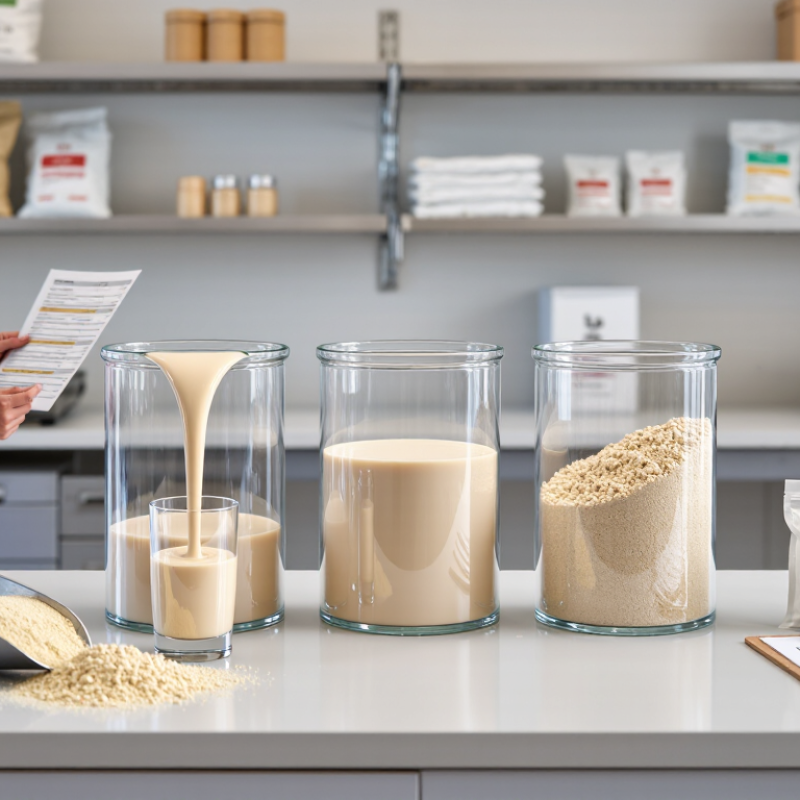
Powdered apple cider vinegar is dehydrated vinegar, not simply finely ground apples. Depending on the process, it may contain a carrier that helps keep the powder free-flowing. Check the specification sheet for carrier ingredients, moisture, acidity, solubility, and particle size. A fine powder can disappear quickly in a drink mix; a coarser grade may leave a faint, gritty finish. That detail matters.
Grand View Research estimated the global apple cider vinegar market at about US$1.01 billion in 2023. That figure covers more than powder, so it should not be treated as a powder-market estimate. Still, it signals broad interest in vinegar-based products. In food production, the powder can add a tart note to seasoning blends, snack coatings, and powdered drink mixes. It is not a like-for-like replacement for liquid vinegar: water content and acidity behave differently in recipes. Test a small batch first. Easy to overlook.
For bulk purchases, request a current certificate of analysis and confirm the test method for acidity. Ask how the powder performs after opening, especially in humid storage. A sealed sample may pour neatly; a half-used bag can clump. I still find the word “apple” on a sack less informative than the measured acidity and full ingredient list. Keep supplier specifications beside your formulation records, and retest when the product or supplier changes.
Defining Your Bulk Quantity and Product Specifications
Set the order size from actual consumption, not a supplier’s minimum alone. Estimate weekly use, multiply by lead time, then add a modest safety buffer. USDA estimates that 30–40% of the U.S. food supply is wasted; that broad figure is not specific to vinegar powder, but it supports avoiding speculative overstock. Small trial first. Check storage capacity too: a 25-kilogram lined bag needs dry, sealed space and a clear lot-tracking process.
Write specifications before requesting quotes. Ask for apple cider vinegar solids or acidity, expressed as acetic-acid equivalent, plus moisture and water activity. Confirm carrier ingredients, because some powders use a carrier to improve flow or drying performance. Define particle size or sieve range, color, odor, solubility, packaging, and shelf life. Request a lot-specific certificate of analysis and retain a sample for comparison. FAO’s 2019 State of Food and Agriculture report estimated that about 14% of global food is lost between post-harvest handling and retail; it does not measure this ingredient, but careful storage and rotation matter. That estimate is not a purchasing formula. My own weak spot would be assuming two powders behave alike because both list “apple cider vinegar” on the label. Test a small lot in your actual blend before scaling up.
7 Tips for Buying Powder Apple Cider Vinegar in Bulk
Defining Your Bulk Quantity and Product Specifications
Use these example order sizes to compare supplier minimums and plan storage. Metric equivalents are calculated using 1 lb = 0.45359237 kg and rounded to two decimal places. Confirm product specifications such as powder composition, serving size, moisture level, and packaging before ordering.
Evaluating Ingredients, Quality Standards, and Testing
When comparing bulk apple cider vinegar powder, read the full ingredient list, not just the front label. Some powders use a carrier such as maltodextrin to help the liquid vinegar dry and flow. Check its amount and source, especially if your formulation has dietary or processing requirements. Look for a clearly stated vinegar source and a measurable specification, such as acetic acid content. “Apple cider vinegar powder” alone tells you little. Details matter.
Ask for a batch-specific certificate of analysis, then check that it matches the lot you may buy. Useful records can include identity and potency results, moisture levels, and tests for heavy metals and microbial contamination. Confirm which methods the supplier uses and whether an independent laboratory performs the testing. A polished certificate is not proof by itself; dates, lot numbers, and clear pass/fail limits matter. Ask for records.
Quality standards should also cover traceability, manufacturing controls, and consistent packaging. For a bulk order, request a small sample and compare its color, aroma, flow, and behavior in water with the written specification. Powders can settle or clump during storage, so ask about moisture barriers, shelf life, and recommended conditions. Do not assume the powder can replace liquid vinegar gram for gram; concentration and carrier content vary. Even with careful checks, some variation may remain, and that deserves a second look before a large purchase.
Checking Supplier Reliability, Packaging, and Shelf Life
When buying powdered apple cider vinegar in bulk, check whether the supplier can trace each shipment to a production lot. Request a current certificate of analysis and confirm that its lot number matches the product offered. Ask how identity, moisture, and microbiological quality are checked. A polished document alone is not proof of consistent controls. Small details matter. Notice whether staff answer technical questions clearly and provide a representative sample before a large order.
Packaging should protect the powder from humidity, light, and handling damage. Look for food-grade, moisture-resistant liners inside sealed bags or drums. Check that closures are intact and that labels show the lot number, net weight, and storage directions. Ask how opened containers should be resealed. A thin liner or loose lid can turn a usable batch into a clumpy one, especially in a warm, damp storeroom.
Shelf life needs more than a date printed on a label. Request stability information for the specific packaging format, and clarify whether the stated period applies to unopened product only. Ask how the supplier sets the date and whether testing supports it. I still find stock rotation easy to overlook when several drums arrive together. Record receipt dates, store containers cool and dry, and use older lots first. If delivery timing is uncertain, buy a smaller trial quantity before committing to a full pallet.
Comparing Total Costs, Shipping Terms, and Order Policies
When comparing bulk powder apple cider vinegar, look beyond the quoted price per kilogram. Calculate the delivered cost, including handling fees, pallet charges, and any customs or brokerage costs that apply to your location. Then divide by the usable amount, not just the shipment weight. Moisture barriers and sealed inner bags matter; damaged packaging can turn a low price into waste. A simple spreadsheet helps. I still find freight estimates easy to overlook.
Shipping terms can change the real value of an order. Ask whether the quote includes delivery to your door or only to a nearby freight terminal. Check the estimated dispatch date, transit window, tracking details, and who handles delays or damaged cartons. Confirm storage requirements during transit, especially if the shipment may sit in a warm warehouse. A cheaper option is not always cheaper.
Order policies deserve the same attention as price. Check minimum order quantities, sample availability, payment timing, and whether unopened goods can be returned. Ask how long the powder is expected to remain within its stated shelf life when it arrives. Request a current specification sheet and batch documentation, then compare details across suppliers. Get key terms in writing. Some policies look clear until a delivery is late.