Why Choose a Case Packer for Your Packaging Needs?
In today's competitive market, companies seek efficiency in packaging. A case packer is essential for optimizing this process. According to industry reports, automated packaging systems can increase productivity by up to 30%. This improvement directly impacts operational costs and product delivery times.
Utilizing a case packer reduces labor-intensive tasks. As labor shortages become common, machines fill the gap. Businesses can achieve consistent quality in packaging. However, transitioning to automatic systems can pose challenges. Not all companies are equipped for the required changes. Finding the right technology is crucial for success.
Investing in a case packer is not just about modernization. It's about strategic growth. Up to 70% of packaging professionals indicate that automation has boosted workplace safety. Nonetheless, it requires careful planning and training. Reflecting on these factors is vital before adopting new technologies.
Understanding the Basics of Case Packers in Packaging Solutions
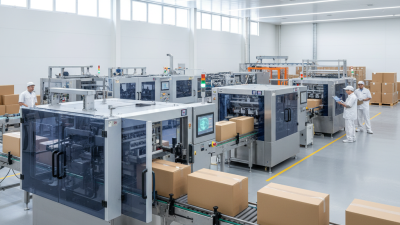
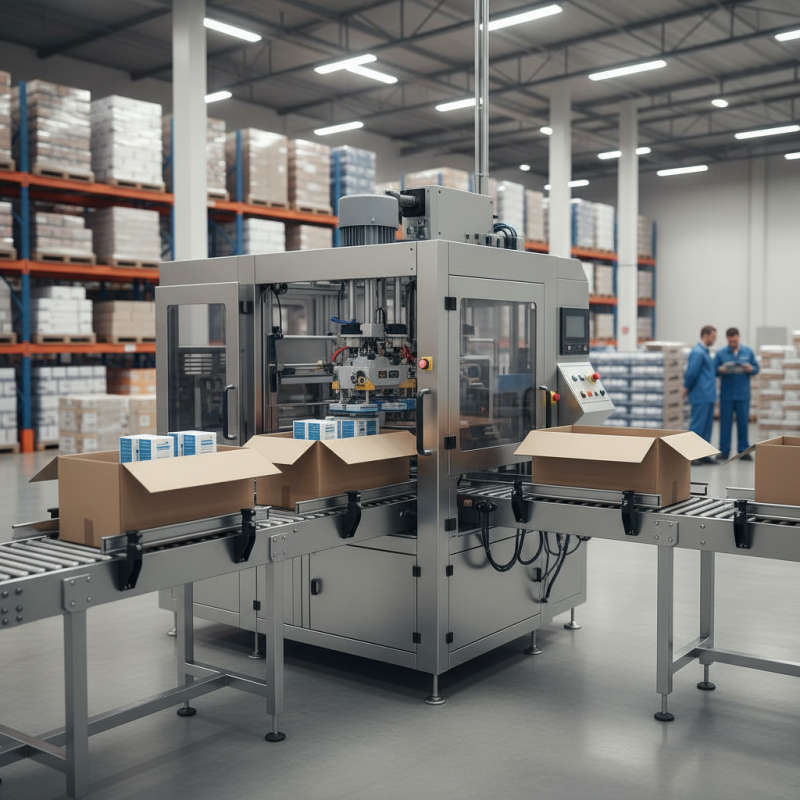
When considering packaging solutions, it’s essential to understand the role of case packers. These machines simplify the packaging process by automatically placing products into cases for shipping. With efficiency at their core, case packers can significantly elevate production rates. They can handle various package sizes and types, from bottling to boxes.
However, the selection of a case packer isn’t always straightforward. Factors like speed, size compatibility, and the layout of your workspace must be evaluated carefully. Mistakes in this area can lead to inefficiencies or equipment that doesn’t meet your needs. Some manufacturers might find themselves underwhelmed if they don’t consider specific packaging requirements and product characteristics.
The best case packers can enhance productivity, yet maintenance and training are often overlooked. Long-term reliability is critical, and without proper care, machines can fail or underperform. Investing time in operator training can prevent costly errors. The aim should be to achieve a balance between speed and precision to improve throughput.
The Advantages of Using a Case Packer in Your Production Line
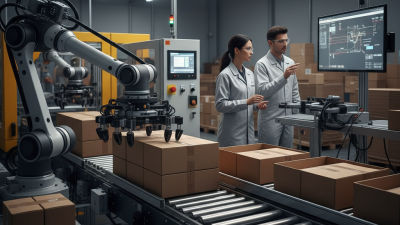
In today’s fast-paced manufacturing environment, efficiency is essential. A case packer serves as a vital component in many production lines. By automating the packaging process, it minimizes labor costs. This leads to increased output and consistent quality. Workers can focus on higher-value tasks rather than manual packing, which can be tedious and error-prone.
Case packers also enhance safety in the workplace. They reduce the risk of repetitive strain injuries from manual handling. It’s not just about speeding up production; it’s about creating a safer environment. However, relying solely on machines can lead to oversight. Regular maintenance is crucial to prevent breakdowns that could disrupt the entire line.
Flexibility is another advantage. Many case packers can adapt to different package sizes and shapes. This versatility allows businesses to respond to market demands more quickly. Yet, companies must remain vigilant. Over time, consumer preferences may shift, requiring adjustments in the packaging process. Being attuned to these changes is key for sustainable growth.
Advantages of Using a Case Packer in Your Production Line
Key Features to Look for When Choosing a Case Packer
When selecting a case packer, understanding key features is essential. Look for automation capabilities, which significantly enhance efficiency. A study by PMMI shows that automated systems can increase packaging speeds by 30% or more. This speed aligns well with today’s fast-paced production demands.
Consider the versatility of the case packer. It should handle various product sizes and types. A flexible machine minimizes downtime during changeovers, which is crucial for maintaining productivity. Reports indicate that flexibility can reduce changeover times by up to 50%.
Another factor is ease of use. Operators should find it intuitive to manage the machine. A complicated interface can lead to errors and increased training times. Simplicity in design often results in fewer issues on the floor. Additionally, analyze the reliability of the equipment. Machines that require frequent repairs can disrupt production and escalate costs. Understanding these key features can significantly impact your packaging efficiency.
Why Choose a Case Packer for Your Packaging Needs? - Key Features to Look for When Choosing a Case Packer
| Feature |
Description |
Importance |
| Speed |
The number of cases packed per minute. |
High speed increases productivity and reduces labor costs. |
| Flexibility |
Ability to handle various case sizes and types. |
Flexibility allows for adaptation to changing packaging needs. |
| Ease of Use |
User-friendly interface and simple setup. |
Lower training time and reduced operational errors. |
| Reliability |
Consistent performance with minimal downtime. |
Reliability ensures continuous production flow. |
| Maintenance |
Frequency and ease of required maintenance tasks. |
Low maintenance costs improve overall profitability. |
| Cost |
Initial investment costs versus long-term savings. |
Investing in efficient equipment saves money over time. |
Comparing Case Packers with Alternative Packaging Methods
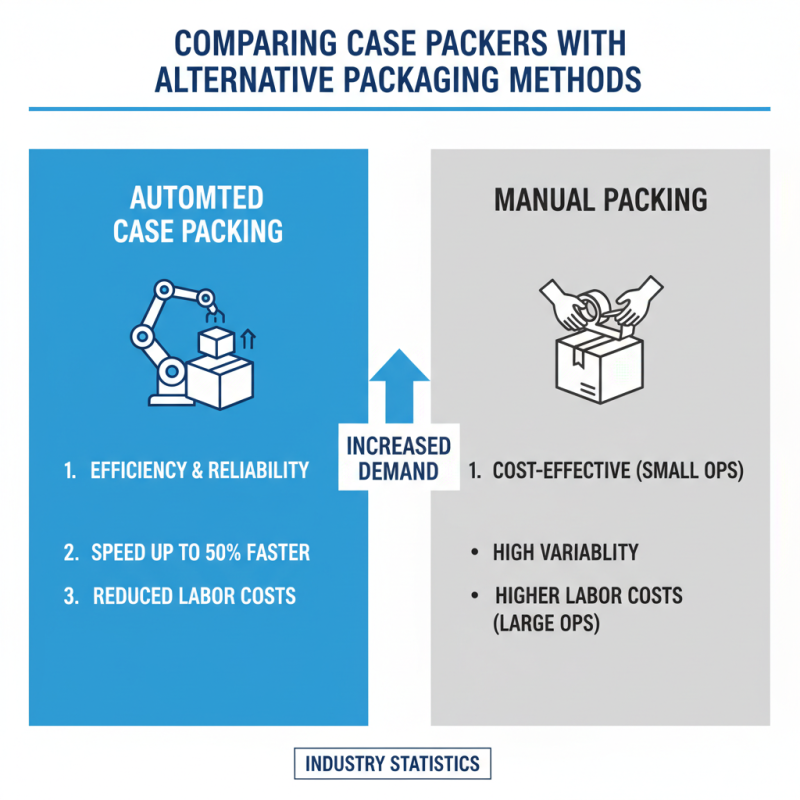
When evaluating packaging methods, case packers stand out for their efficiency and reliability. Industry statistics reveal that automated case packing can improve packing speed by up to 50%. This is a significant factor for businesses facing increasing demand. Manual packing, while cost-effective for smaller operations, introduces variability and often leads to higher labor costs.
Case packers work rapidly and consistently, reducing the likelihood of human error. According to recent reports, companies using automated systems have seen a decrease in product damage during transit by 30%. This is crucial for maintaining inventory quality and customer satisfaction. In contrast, traditional methods may lead to misaligned cases or excessive product waste, which can cost companies both time and money.
However, not every business may find case packers to be the perfect fit. Initial investment costs can be high. Smaller firms might hesitate to switch from manual methods. They could face disruption during the transition period. Implementing automation requires careful consideration of operational needs and resource availability. The decision must weigh both potential long-term savings and short-term challenges. Thus, firms should analyze their workflow and evaluate whether the benefits of case packing align with their unique requirements.
Industries That Benefit Most from Case Packer Implementation
Industries that experience high packaging demands can greatly benefit from case packer implementation. Food and beverage companies, for instance, must manage large-scale production with precision. A case packer efficiently organizes products into cases, which minimizes handling time. This boosts productivity, allowing companies to focus on quality. However, implementation requires careful planning and may take time to optimize.
Cosmetics and personal care sectors also see advantages. With diverse product sizes and shapes, a case packer can adapt to varying specifications. This flexibility reduces the likelihood of errors. Still, companies should consider components and how they integrate into existing workflows. A poorly integrated system can lead to more challenges.
Pharmaceutical companies face strict regulations and need accurate packaging. Case packers can improve compliance by reducing human error. However, constant monitoring is essential. If routine checks are ignored, issues may arise, jeopardizing quality. In conclusion, while case packers offer significant benefits, potential challenges must be addressed during implementation.