How to Choose a Bellows Sealed Gate Valve?
Choosing a Bellows Sealed Gate Valve is not a matter of matching pipe diameter and ordering the highest pressure rating. The real decision begins with the process. Is the line carrying toxic gas, ultra-clean fluid, corrosive vapor, or high-temperature steam? Each service exposes weaknesses differently.
Peter Smith, author of Valve Selection Handbook, offers a useful principle: “Valve selection must follow service conditions, not line size alone.” That advice deserves attention. A bellows seal can reduce fugitive emissions, but it cannot correct poor material selection, incorrect welding, or careless installation. The valve body, bellows alloy, bonnet design, pressure class, and end connection must work together.
Look closely at the operating details. Record pressure, temperature, flow direction, cycling frequency, and vacuum conditions. A valve that performs well on a test bench may struggle after hundreds of thermal cycles. The bellows may fatigue. The stem may bind. These are not abstract concerns.
Ask for cycle-test data, material certificates, dimensional drawings, and inspection records. Confirm whether the manufacturer tests the complete assembly, rather than only the bellows. That distinction matters.
There is no perfect choice.
A smaller valve may reduce cost, yet restrict flow. A stronger alloy may extend service life, yet increase lead time. Sometimes, the specification is incomplete. That should be admitted and corrected before purchase.
This guide explains how to compare designs, verify manufacturer claims, and choose a Bellows Sealed Gate Valve that fits the actual process, not merely the datasheet.
Understanding Bellows Sealed Gate Valve Design and Purpose
How to Choose a Bellows Sealed Gate Valve?
Understanding Bellows Sealed Gate Valve Design and Purpose
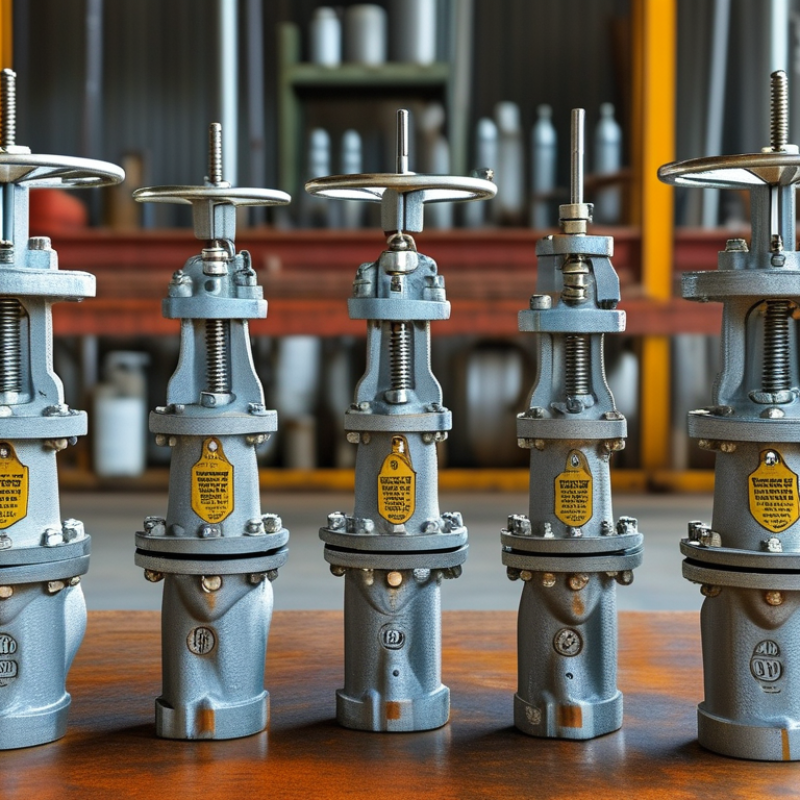
A bellows sealed gate valve uses a welded metal bellows around the stem. This barrier prevents process media from escaping through the stem packing area. It is valuable when toxic, corrosive, radioactive, or high-purity fluids require strict containment. The gate provides firm isolation, but it is not designed for continuous throttling. It may suffer damage under unstable flow.
The design choice should begin with pressure, temperature, media, and operating frequency. Check the bellows material against corrosion risks and thermal cycling. A valve used near a furnace faces different fatigue conditions than one installed on a cold chemical line. ISO 15848-1 provides fugitive-emission testing classifications, while API 624 evaluates emissions from rising-stem valves. These standards support comparison, but field conditions still matter.
The 2024 International Energy Agency Global Methane Tracker estimated nearly 120 million tonnes of methane came from fossil-fuel operations in 2023. A small stem leak can become a costly environmental problem when repeated across large facilities. Bellows sealing reduces this pathway, though it does not remove every leakage risk. Weld quality, bellows fatigue, bonnet seals, and installation practices remain critical. No valve is maintenance-free. That assumption deserves challenge.
Look for documented cycle testing, pressure-temperature ratings, material certificates, and emissions results. Also consider inspection access and replacement time. A technically excellent valve can perform poorly when operators cannot verify its condition.
How to Choose a Bellows Sealed Gate Valve? - Understanding Bellows Sealed Gate Valve Design and Purpose
| Selection Dimension | Typical Options or Data | Why It Matters | Recommended Selection Guidance |
|---|---|---|---|
| Primary Purpose | Isolation and shutoff of process flow | A gate valve is designed mainly for fully open or fully closed service, not continuous throttling. | Use a bellows sealed gate valve where positive isolation and reduced stem emissions are more important than frequent flow regulation. |
| Valve Size | Common nominal sizes: DN15 to DN600 (½ to 24 in) | The size must match the connected piping and required flow capacity. | Select the nominal size according to the piping specification, allowable pressure drop, and available installation space. |
| Pressure Class | Typical ratings: ASME Class 150, 300, 600, 900 and 1500 | The pressure rating determines the allowable pressure-temperature envelope. | Choose a rating equal to or higher than the piping design pressure at the design temperature; do not select by pressure alone. |
| Temperature Range | Approximately −196°C to 600°C (−321°F to 1112°F), depending on materials and packing | Temperature affects bellows fatigue life, body strength, seat performance, and gasket selection. | Confirm the complete valve assembly rating, including bellows, seats, body, bonnet gasket, and stem packing. |
| Bellows Material | Common choices include stainless steel alloys selected for corrosion and temperature resistance | The bellows is the primary dynamic pressure barrier around the stem and experiences repeated movement. | Match the alloy to the process fluid, chloride level, temperature, pressure, and expected operating cycles. |
| Bellows Construction | Formed or welded bellows; single or multi-ply designs | Construction influences flexibility, pressure capability, fatigue life, and leak resistance. | Request cycle-life calculations and inspection requirements for applications involving frequent operation or thermal cycling. |
| Stem Sealing Concept | Welded metal bellows with secondary stem packing | The bellows provides a primary seal, while packing or a secondary seal provides backup protection. | Verify the design includes a protected bellows bonnet and a suitable secondary seal for the service environment. |
| End Connection | Flanged, butt-weld, socket-weld, threaded, or other specified connections | The connection determines installation method, joint integrity, maintenance access, and piping compatibility. | Follow the project piping class and confirm flange dimensions, facing, wall thickness, and applicable standards. |
| Gate and Seat Design | Wedge gate, flexible wedge, or parallel gate; metallic or resilient seating where suitable | The design affects shutoff performance, thermal behavior, solids tolerance, and operating torque. | Use metallic seats for high-temperature or demanding process service, subject to the specified leakage class and fluid conditions. |
| Flow Direction | Generally suitable for bidirectional isolation, subject to the valve design | Bidirectional shutoff can simplify piping layout, but pressure-assisted seating and body markings must be checked. | Follow the manufacturer’s flow arrow, seat orientation, and pressure-direction requirements when specified. |
| Leakage and Emissions | Low-emission stem sealing; seat leakage tested to the specified standard | Bellows isolate the stem from the process, reducing fugitive emissions through the stem seal. | Specify fugitive-emission testing, shell testing, and seat leakage acceptance criteria in the purchase requirements. |
| Operating Frequency | Best suited to infrequent or moderate isolation duty | Every opening and closing cycle flexes the bellows and contributes to fatigue. | For frequent cycling, obtain a documented bellows cycle rating and consider an actuator sized for the maximum breakaway torque. |
| Actuation | Handwheel, gear operator, electric actuator, pneumatic actuator, or hydraulic actuator | Actuation affects response time, operator effort, control integration, and safe isolation. | Size the actuator from maximum differential pressure, seating and unseating torque, temperature, and required fail position. |
| Applicable Standards | Standards may cover design, testing, face-to-face dimensions, flanges, and fugitive emissions | Standards provide consistent requirements for safety, interchangeability, inspection, and performance verification. | Define the required standards in the specification, such as applicable gate-valve, pressure-testing, flange, and low-emission standards. |
| Maintenance and Inspection | Inspect body, bonnet joints, bellows area, stem movement, packing, and seat shutoff | A bellows failure can expose the secondary seal to process conditions and may require prompt isolation. | Choose a design with accessible inspection points, clear maintenance instructions, replacement-part availability, and documented pressure tests. |
Note: Actual pressure-temperature limits, cycle life, materials, leakage rates, and dimensions must be verified against the valve manufacturer’s certified datasheet and the applicable project standards.