Choosing a reliable Chamomile Extract supplier requires more than comparing prices or reading a polished website. Quality begins with botanical identity, traceable sourcing, and consistent processing. The supplier should clearly identify the species, plant part, extraction solvent, and standardization method. Small details matter. A vague specification can hide major differences.
Professor S. Srivastava and his colleagues described chamomile as “one of the most ancient medicinal herbs known to mankind.” That history does not guarantee modern quality. Buyers still need current evidence. Ask for a recent certificate of analysis, including marker compounds, moisture, microbial limits, heavy metals, pesticides, and residual solvents. Independent laboratory testing adds credibility, especially when results include batch numbers and testing dates.
Look closely at the supply chain. Can the company explain where the flowers were grown? Are harvest records available? Does the extract keep the same color, aroma, and marker profile across batches? Reliable suppliers usually welcome these questions. They should also provide stability data, storage guidance, and clear packaging information.
Do not rely on certificates alone. I have seen documents that looked complete but lacked methods or laboratory identification. That is an uncomfortable reminder: documentation can be present without being meaningful. A careful buyer should request samples, compare technical files, and evaluate communication before signing a long-term agreement. Supplier audits, change-control procedures, and complaint handling reveal operational maturity. The best choice is not always the cheapest. It is the partner that can explain each claim, support it with evidence, and remain transparent when something needs correction.
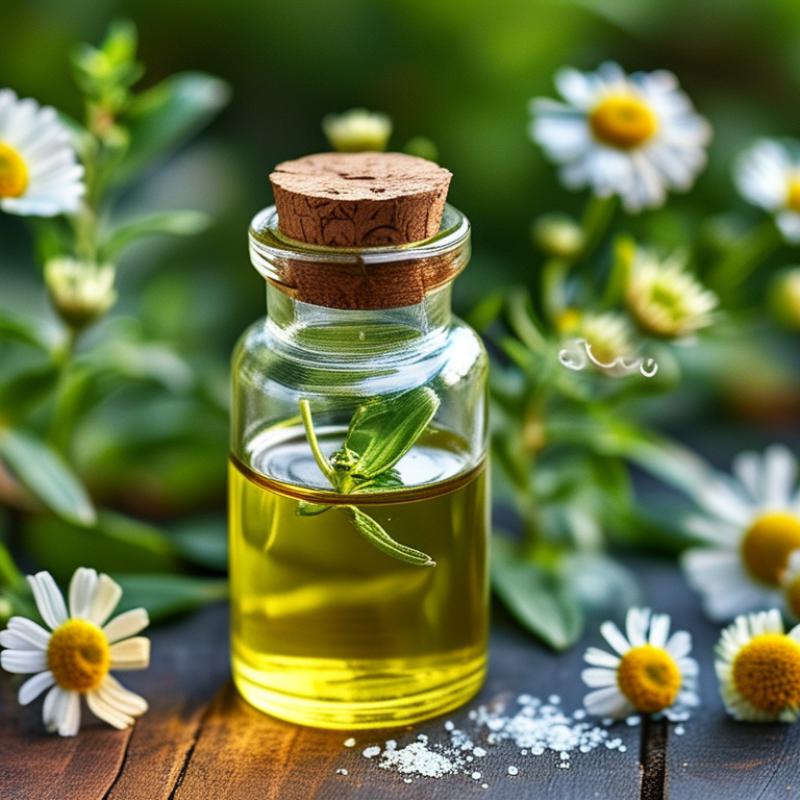
Choosing a chamomile extract supplier starts with identifying the extract type, not comparing prices. A water extract suits gentle beverage applications, while hydroalcoholic extracts may recover a broader range of flavonoids. Carbon-dioxide extracts target lipophilic compounds and usually require different testing. Essential oil is not interchangeable with whole-flower extract. It has a different composition and use profile. The European Medicines Agency reports that chamomile flower contains at least 0.4% essential oil in its herbal-material assessment report. Its key constituents include bisabolol derivatives and chamazulene-related compounds (EMA, Assessment Report on Matricaria recutita L., flos, 2015). This detail matters when a supplier uses “chamomile extract” without naming the solvent or plant part.
Reliable suppliers provide a batch-specific certificate of analysis. Check botanical identity, extraction ratio, marker compounds, residual solvents, microbes, pesticides, and heavy metals. HPLC can verify flavonoid markers, while GC-MS helps assess volatile constituents. The WHO monograph on medicinal plants recommends identity and purity controls for chamomile materials, including foreign matter and microbial quality (WHO, Monographs on Selected Medicinal Plants, Volume 1). Ask for the testing method, laboratory accreditation, and sample retention policy. A polished certificate is not enough. Traceability should connect the finished powder to harvest and processing records. One easy mistake is accepting a fixed “standardized” percentage without checking its analytical basis. A sensible review may still find gaps. That is useful. Suppliers should explain them clearly, not hide behind impressive technical language.

A capable supplier should understand chamomile beyond its botanical name. Ask whether the team can distinguish species, plant parts, and extraction methods. Their technical staff should explain how solvent choice affects color, aroma, and active compounds. Clear answers matter. Vague claims deserve caution. Request batch records, laboratory reports, and storage details. These documents show whether expertise exists in daily production, not only in sales materials.
Certifications provide useful evidence, but they are not complete proof. Check current GMP, ISO, organic, or food-safety certificates through the issuing organization when possible. Confirm that the certificate covers the actual production site. A certificate alone can mislead. Ask for recent testing of identity, microbial limits, heavy metals, pesticides, and residual solvents. The report should match the batch number on the delivered material. Independent laboratory testing adds credibility.
Production practices reveal reliability over time. Look for controlled drying, hygienic extraction rooms, calibrated equipment, and documented cleaning procedures. The supplier should explain how chamomile is traced from farm or collection point to final packaging. During an audit, inspect sealed samples, temperature logs, and complaint records. Small gaps matter. I would also ask how failed batches are handled, since honest answers are more valuable than perfect-sounding promises. No supplier is flawless, and a transparent corrective-action process may indicate stronger control than polished marketing.
A dependable chamomile extract supplier should explain where the flowers come from. Ask about the growing region, harvest season, and agricultural practices. A field name alone is not enough. Request supplier records, harvest details, and transport conditions. Good sourcing includes control over drying and storage. Moisture, heat, and light can weaken delicate botanical compounds before extraction.
Testing should match the product’s intended use. Look for botanical identity testing, active compound analysis, microbial screening, pesticide checks, and heavy metal testing. Methods and limits matter. A certificate without laboratory details provides limited confidence. Ask whether samples come from the same batch as the shipped material. Confirm the extraction solvent, carrier ingredients, and concentration. These details can reveal dilution or inconsistent processing.
Traceability connects the finished extract to its original materials. The batch number should link to harvest records, processing dates, test results, and packaging logs. It should also support a clear recall process. Storage records can show whether the extract faced excessive heat or humidity. In practical supplier reviews, paperwork sometimes looks complete but misses one transfer step. That gap deserves attention. No checklist is flawless. Still, consistent evidence and candid answers reveal more than polished promises. A supplier that welcomes reasonable questions usually demonstrates stronger quality discipline.
Comparing Extract Specifications, Pricing, Packaging, and Delivery Terms
A reliable supplier should provide precise extract specifications, not vague claims. Check the botanical name, plant part, extraction ratio, and marker compounds such as apigenin. Ask for a current certificate of analysis for every batch. It should show identity, potency, moisture, microbiological results, heavy metals, and residual solvents. Batch numbers must connect the test report with the physical goods. I have seen attractive samples fail because their documentation was incomplete.
Pricing deserves careful comparison. A cheaper kilogram may contain lower potency or require more material per finished product. Request a quotation with minimum order quantity, testing fees, sample costs, and payment terms clearly listed. Packaging also affects quality. Light-sensitive extracts need sealed, food-grade containers, often with an inner liner and desiccant. Confirm the net weight, label details, storage temperature, and resealing method. These small details are easy to overlook.
Tips: Compare like with like. Ask for three recent batch reports. Confirm whether prices include export documents, insurance, and delivery charges. Clarify Incoterms, lead time, shipment temperature, and replacement procedures for damaged goods. A supplier should explain delays honestly. My own preference is a written delivery schedule, although forecasts can still be wrong. Check communication before placing a large order. Fast replies are useful, but accurate replies matter more.
Selecting a Supplier Through Samples, Communication, and Risk Assessment
A dependable supplier should provide a representative chamomile extract sample, not a specially prepared showcase batch. Check its color, aroma, solubility, and consistency against your intended formula. Ask for the botanical name, plant part, extraction method, carrier details, and standardization data. The certificate of analysis should include active compounds, microbial limits, heavy metals, pesticides, and moisture. Verify whether an independent laboratory performed the testing. Small details matter.
Communication often reveals operational discipline. Send practical questions about minimum order quantities, lead times, packaging, storage, and batch replacement policies. Notice how clearly the supplier answers. Vague replies can create expensive delays later. Request a sample from a recent production lot, then compare it with the final pre-shipment sample. A polished sample can still mislead. I would also ask for traceability records, facility certifications, and change-control procedures. These documents show whether quality is managed consistently, not casually.
Risk assessment should cover more than price. Review harvest-season variability, transport conditions, currency exposure, and dependence on one processing site. A simple risk table can rank each issue by likelihood and impact. Keep a backup supplier when the extract is essential to production. Still, dual sourcing may increase testing costs and coordination work. That trade-off deserves honest review. Before signing, define acceptance criteria, complaint response times, and actions for failed batches. Reliable communication is useful, but documented controls are stronger.
A&B has become the leader in fresh packing and cleaning equipment for fruits and vegetables worldwide. We have achieved this by relentlessly working to produce new and innovative ideas, along with the best customer service on Earth combined with hard working, dedicated, loyal employees and the latest industrial manufacturing techniques. We are now proud to say that we manufacture The Fulcrum Fresh Harvester, this is a one of a kind Berry Harvester that was specifically designed to handle fresh pick blueberries.
732 W. Saint Joseph Street
Lawrence, MI 49064
Phone: 269-539-4700 Fax: 269-539-4705
sale@industrialpackagingmachines.com