Top 5 Tips for Choosing the Right Packing Machine?
Choosing the right packing machine is crucial in today’s competitive market. A well-selected machine can enhance efficiency and reduce operational costs. According to industry reports, businesses can save up to 30% in labor costs with automated packing solutions. The growing demand for packaging automation is evident. In fact, the global packing machine market is expected to reach $45 billion by 2026, reflecting a compound annual growth rate of 6.3%.
Many companies face challenges when selecting a packing machine. Each product has unique packaging requirements that must be met. Some machines may excel in speed but lack precision, while others might offer flexibility but at a higher cost. It’s essential to balance these factors based on the specific needs of your production line. Engaging with industry experts can guide you in making informed decisions.
Understanding your product's characteristics is key. The right packing machine should align with these attributes to ensure optimal performance. Finding that balance can be tricky. Hence, thorough research, consultation, and consideration of long-term goals are vital steps in this process. Investing time in careful evaluation will yield significant benefits in the long run.
Understanding Different Types of Packing Machines Available in the Market
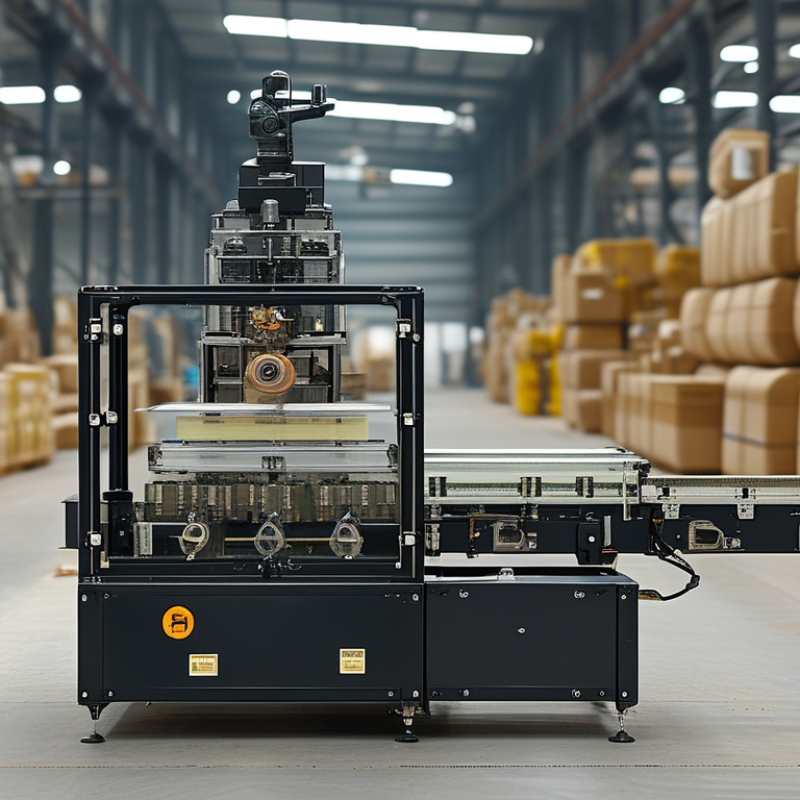
Choosing the right packing machine can be overwhelming due to the variety available. Different types suit different needs. You can find machines for liquids, solids, and powders. Consider how each type aligns with your products. For example, vertical form fill seal (VFFS) machines are excellent for snacks and granules. But are they versatile enough for your range?
When evaluating machines, think about speed and efficiency. Some machines operate faster than others, affecting your production rate. Will a slower machine hinder your output? Also, factor in the ease of cleaning and maintenance. If a machine is difficult to clean, it could cost time and compromise hygiene.
Consider automation as well. Fully automated systems can reduce labor costs, but might require a larger upfront investment. Reflect on your budget and production needs. If you're just starting, a semi-automated machine might be a better fit. Balance your long-term goals with immediate capabilities to make the right choice.
Assessing Production Volume and Speed Requirements for Your Business
When selecting a packing machine, assessing production volume and speed requirements is crucial. The machine must meet your business's specific needs. For instance, if you anticipate high demand, opt for a machine with faster output to keep up with throughput. An underperforming machine may lead to bottlenecks and lost revenue.
Consider the different types of packing machines. Some are designed for high-speed productions, while others offer flexibility for various product sizes. Understanding your production flow helps identify the right match for your business. You may need a machine that balances speed and precision, ensuring product integrity during packing.
It's vital to evaluate potential growth in production volume. A machine that serves current needs may fall short in the future. Invest in a versatile packing solution that can adapt, saving you money in the long run. Reviewing performance metrics over time can guide future upgrades or changes to packing systems, maintaining efficiency as market demands shift.
Production Volume and Speed Requirements for Packing Machines
Evaluating Cost vs. Long-term Investment in Packing Equipment
When evaluating the cost versus long-term investment in packing equipment, businesses often overlook crucial factors. The initial purchase price can be enticingly low, but the total cost of ownership is a more significant consideration. According to a report by the "Packaging Machinery Manufacturers Institute," operating costs can account for up to 60% of a machine's lifetime expense. This perspective is vital for making informed decisions.
It's important to analyze not just the price tag, but the machine's efficiency. A packing machine with a higher speed could dramatically reduce labor costs. For instance, machinery with an efficiency rate of 85% compared to 70% can yield significant savings in production. Moreover, maintenance costs can increase drastically if a cheaper machine frequently breaks down. Regular downtime affects productivity and can lead to customer dissatisfaction.
Investing in quality means considering future scalability. Equipment that adapts to changing market demands can provide a better return on investment. Research shows that companies that choose adaptable machinery often see a 15% increase in output as they adjust to new products. Don't forget to factor in training costs for staff as well. An easy-to-use machine could save time and resources in the long run. Balancing these considerations is essential.
Considering Flexibility and Versatility for Product Types and Sizes
When selecting a packing machine, flexibility and versatility should be at the forefront of your decision. Today's market demands a variety of product types and sizes. According to a recent industry report by Smithers Pira, 67% of businesses prioritize flexibility in their packaging solutions. This demand arises from the increasing need to adapt to changing consumer preferences and market trends.
Choosing a machine that accommodates various product dimensions is crucial. Look for systems that can handle multiple packaging formats. Some models can switch from pouch to box formats seamlessly. This adaptability reduces downtime and increases efficiency. Data from Packaging Strategies highlights that flexible machines improve production rates by an average of 30%.
Consider the ease of reconfiguration as well. A packing machine should allow quick changes without extensive retraining. This aspect is often overlooked. Manufacturers benefit from models that can be easily modified for new products. Flexibility not only streamlines operations but also supports sustainability goals by reducing waste.
Remember, each choice has its trade-offs. A highly versatile machine may have a higher upfront cost, which could be a point of contention. Reflect on your budget and long-term plans. Investing in a machine that blends flexibility with reliability opens up numerous possibilities for your production line.
Researching Manufacturers and After-Sales Support for Reliability
When selecting a packing machine, focusing on manufacturers and after-sales support is critical. Reliable manufacturers often have a well-established reputation. Research their history and client reviews before making a choice. Trustworthy companies usually invest in quality, ensuring that machines are durable and efficient.
It's important to assess after-sales support. Does the manufacturer offer training? Will they assist with troubleshooting? Effective support can make a significant difference in machine functionality. Seek feedback from current users to gauge their experiences. A reliable manufacturer will always prioritize customer satisfaction.
Consider the longevity of parts availability as well. Machines require maintenance, and timely access to spare parts is essential. Check if the manufacturer provides a comprehensive warranty. This not only reflects their confidence in their products but also gives you peace of mind. Investing time in research can save costs and enhance your production efficiency.