How to Choose the Right Steel Pipe for Your Project?
Choosing the right Steel Pipe for your project is crucial. Steel pipes play a vital role in various industries, including construction, plumbing, and manufacturing. Their strength, durability, and resistance to corrosion make them ideal for many applications.
When selecting steel pipes, consider factors like size, thickness, and material grade. Different projects may require specific standards. For example, a plumbing project might need specific dimensions to fit into existing pipelines. On the other hand, structural applications often prioritize strength and load-bearing capacity.
Learning about different types of steel pipes can be overwhelming. It’s important to reflect on your project’s unique needs. Rushing the selection process may lead to costly mistakes. Consulting with professionals or suppliers can provide valuable insights. Ultimately, making an informed decision ensures the success of your project and maximizes the benefits of using steel pipes.
Understanding the Different Types of Steel Pipes Available
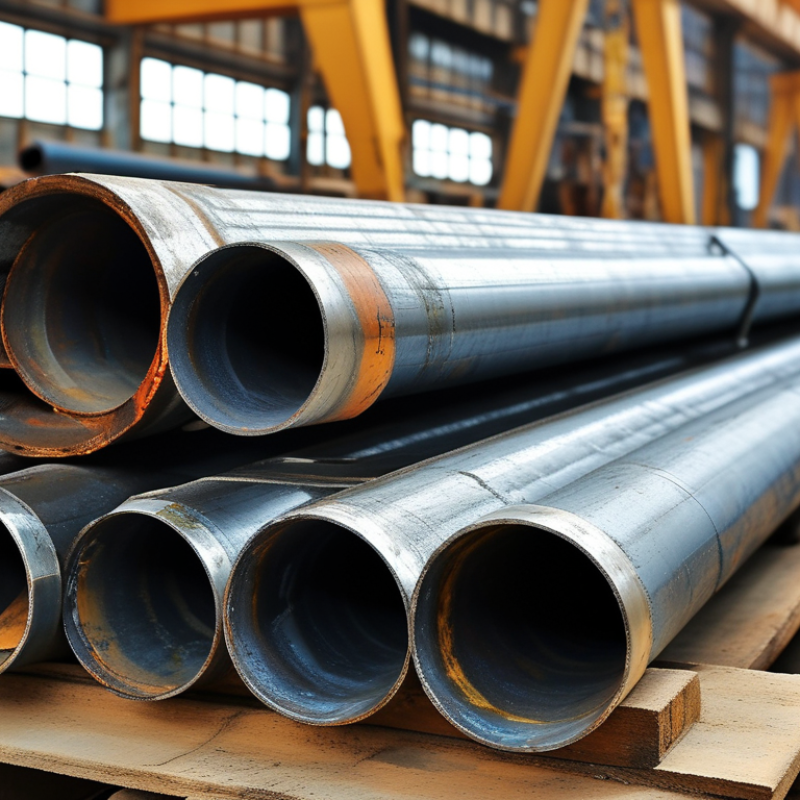
When selecting the right steel pipe for your project, it’s essential to understand the various types available. Steel pipes come in different grades, sizes, and finishes, all tailored for specific applications. Common types include seamless, welded, and galvanized pipes. Seamless pipes are strong and ideal for high-pressure systems. Welded pipes are often more economical for lower-pressure applications. Galvanized pipes provide a protective coating that resists corrosion, making them suitable for outdoor usage.
Tips: Consider the environment. Think about exposure to moisture and chemicals. This will impact your choice of material. For example, if your project involves water, ensure you select a pipe resistant to rust.
The thickness of the pipe wall also matters. A thicker wall provides better durability, especially under stress. However, it can make the pipe heavier and harder to handle. Make sure to balance strength and usability. Remember, not all projects require the highest specifications. Sometimes, standard pipes will suffice.
If you’re unsure, consult with a professional. Their expertise can save you time and potential costly mistakes. Understanding the specifics about steel pipes will lead to more informed choices and a higher quality outcome for your project.
Key Factors to Consider When Selecting Steel Pipes
When selecting steel pipes for your project, several critical factors come into play. The type of material is paramount. Different steel grades have varied properties. For example, carbon steel is strong yet can corrode. Stainless steel is resistant to rust but tends to be pricier. Understanding the climate and environment where the pipes will be used is crucial.
**Tip:** Always assess the specific requirements of your project. Account for pressure ratings and temperature ranges. These elements can significantly impact your choice.
Another essential factor is the size and wall thickness. Both determine how much fluid a pipe can carry and its strength under stress. Carefully consider the dimensions based on your project’s needs.
**Tip:** Measurement is key. Double-check all dimensions before making a purchase. An incorrect size can lead to project delays and increased costs.
Lastly, think about any applicable regulations or standards. Compliance ensures reliability and safety throughout your project. It can seem overwhelming, but ignoring these factors can lead to serious issues.
How to Choose the Right Steel Pipe for Your Project? - Key Factors to Consider When Selecting Steel Pipes
| Factor | Description | Considerations |
| Material Grade | Defines the mechanical properties and chemical composition of the pipe. | Choose based on the corrosiveness of the environment and strength requirements. |
| Pipe Diameter | The inside and outside diameters, crucial for flow rate and compatibility. | Calculate based on the required flow rate and connection types. |
| Wall Thickness | Impacts the durability and resistance to pressure. | Select according to the application pressure and safety standards. |
| Pipe Length | Available in various lengths, affecting installation and transport. | Assess based on project layout and handling logistics. |
| Corrosion Resistance | Important for longevity in harsh environments. | Consider coatings or alloys based on exposure conditions. |
| Standards and Certifications | Compliance with industry standards for safety and performance. | Verify against applicable regulations for your project. |
Assessing the Pipe Specifications for Your Project Requirements
When selecting the right steel pipe for your project, focusing on specifications is essential. Consider the material type, diameter, wall thickness, and length. For instance, the American Society for Testing and Materials (ASTM) provides various standards, like ASTM A53 for seamless and welded steel pipes. This specification affects the pipe’s corrosion resistance and pressure rating. Failing to select the right standard could lead to significant project failures.
Wall thickness is crucial for meeting pressure requirements. According to a report from the Steel Pipe Institute, a thicker wall can withstand higher pressure while increasing overall weight. This can impact transportation and installation costs. Pipe diameter also plays a vital role, especially in fluid dynamics. Larger diameters reduce friction loss, while smaller pipes occupy less space. Assessing fluid flow requirements is vital; neglecting this can lead to inefficient systems and increased costs later.
Material selection is another layer to consider. Carbon steel, alloy steel, and stainless steel each offer various benefits. For example, carbon steel is cost-effective but may corrode quickly if not treated. Conversely, stainless steel is more resistant to corrosion but comes with a higher price tag. Balancing these factors based on environmental conditions and project needs can be challenging. Understanding these specifications will drive better decisions and enhance project outcomes.
Evaluating the Cost-Effectiveness of Various Steel Pipe Options
When evaluating the cost-effectiveness of various steel pipe options, it’s essential to consider both material and labor costs. Steel pipes come in assorted grades and finishes, each influencing durability and price. For example, galvanized steel pipes resist corrosion but might be pricier upfront. In contrast, uncoated steel pipes may save money initially but incur higher maintenance costs later.
The installation process also affects overall expenses. Some steel pipes require specialized tools and expertise, increasing labor costs. Choosing a pipe that aligns with your project's requirements can lead to significant savings. It may be tempting to opt for the cheapest option, but this can backfire if frequent repairs are needed. Analyzing long-term versus short-term costs is crucial.
Inspection of local suppliers can provide insight into available options. Engaging with professionals can clarify uncertainties in quality and price. Understanding specific project needs is paramount. The right choice emerges from a blend of cost analysis and project requirements. Rushing this decision may lead to complications later.
Common Applications and Uses of Steel Pipes in Construction
Steel pipes are essential in construction. Their strength and durability make them ideal for various applications. Generally, they are used for plumbing, structural supports, and HVAC systems. Knowing the specific use is crucial when selecting a steel pipe.
In plumbing, steel pipes transport water effectively. They resist corrosion better than other materials. However, improper installation can lead to leaks. Proper sealing and maintenance are necessary for longevity. Steel pipes are also favored for structural applications. They provide great tensile strength, supporting heavy loads. Incorrect calculations or poor quality materials can compromise safety.
In HVAC systems, steel pipes efficiently carry air and fluids. They handle high-pressure requirements well. Nevertheless, selecting the wrong type of pipe can reduce efficiency and increase costs. It’s vital to ensure pipes meet project specifications. Understanding the common applications of steel pipes can simplify your decision-making process.