How to Conduct Effective Print Inspection for Quality Assurance?
In the world of printing, quality assurance is paramount. Effective Print Inspection plays a crucial role in ensuring that every product meets high standards. It involves carefully checking for defects, inconsistencies, and deviations from the desired outcome. A thorough inspection process can save time and resources. However, it is not without its challenges.
Many printers overlook detailed Print Inspection procedures, leading to potential errors. For instance, poor lighting can hide defects. Technical equipment may also fail to detect subtle flaws. Each inspection needs a structured approach. Relying solely on automated systems may not be sufficient. Human oversight is often necessary.
Successful Print Inspection requires attention to detail. Inspectors must be trained to recognize specific issues. Creating a checklist can help streamline the process. Printing companies must invest time in training their staff. Reflecting on past mistakes can lead to improved practices. Ultimately, a robust Print Inspection system can enhance product quality and customer satisfaction.
Understanding the Importance of Print Inspection in Quality Assurance
Print inspection plays a crucial role in quality assurance. It's not just about detecting flaws; it's about maintaining standards. When errors slip through, they can lead to dissatisfied customers. Such oversights may arise from rushed processes or insufficient training. Inspectors must be vigilant and thorough, yet they sometimes miss issues during tight deadlines. This highlights the need for continuous improvement.
A structured inspection protocol can significantly improve results. Inspectors should focus on details like color accuracy and print alignment. Regular training sessions can enhance their skills. However, even with protocols in place, human error is possible. Sometimes, inspectors may overlook small defects, assuming they will not affect the overall product. This can create larger problems later.
Companies need to prioritize print inspection in their QA processes. Investing in technology can aid inspectors, but reliance solely on machines may lead to complacency. It's essential to balance technology and human judgment. Reflecting on past mistakes can pave the way for better practices in the future. Quality assurance is an ongoing journey, not a destination.
Key Metrics to Measure Print Quality Effectively
When measuring print quality, focusing on key metrics is crucial. These metrics help identify potential issues before they escalate. Color accuracy, for instance, should be within a ΔE of less than 2 for most print jobs. A study revealed that 70% of printing defects stem from color misalignment. This means small discrepancies can lead to significant quality issues.
Another important metric is line resolution. For high-quality prints, a minimum of 300 DPI is recommended. Data shows that prints with lower resolution often result in customer dissatisfaction. Additionally, careful monitoring of ink coverage can prevent excessive use, which increases costs. Maintaining around 280% coverage for standard prints is ideal, but many operations fall short.
Continual reflection on these metrics is essential. Many printers lack adequate training on these standards, leading to gaps in quality assurance. An industry report highlights that about 40% of print companies don’t perform routine quality checks. This oversight can result in wasted resources and missed deadlines. Improving staff education and ensuring adherence to these metrics can significantly enhance overall print quality.
Step-by-Step Guide for Conducting Visual Print Inspections
Visual print inspections are crucial for ensuring product quality. Effective inspections reduce errors and enhance customer satisfaction. Companies that implement rigorous quality checks see a decrease in production waste by up to 30%, according to industry reports.
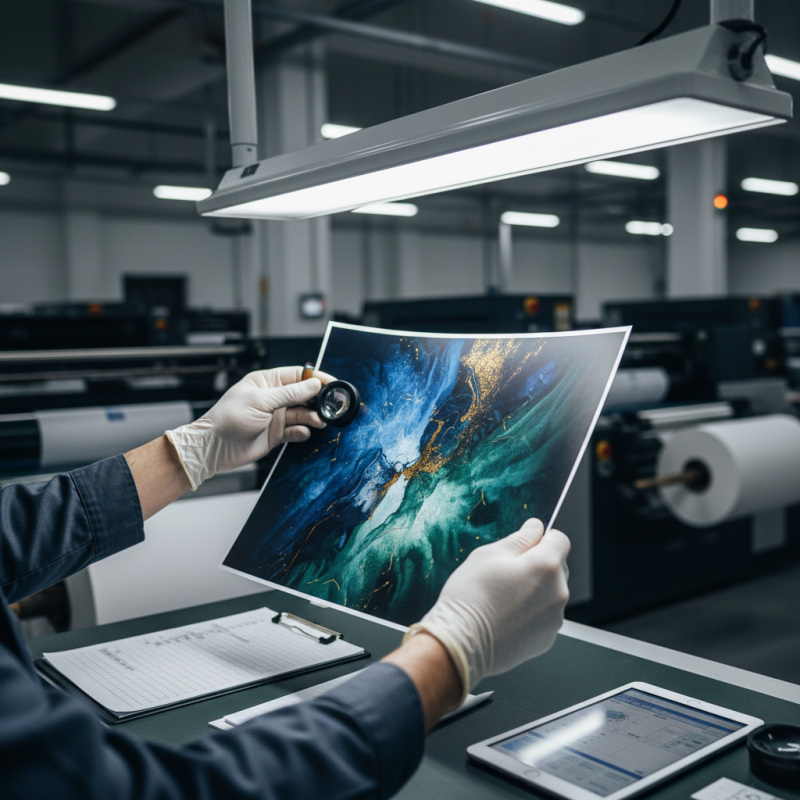
When conducting visual inspections, focus on key areas. Examine color alignment carefully. Inconsistent hues can signal potential issues. Check for scratches or blemishes on the print surface. Even minor imperfections can affect consumer perception. Take note: eyes can overlook subtle flaws, leading to costly mistakes.
Tip: Use a magnifying glass to spot tiny defects. This tool can reveal issues invisible to the naked eye.
Document every inspection meticulously. Records help identify recurring issues. Patterns in defects may suggest inadequate training or faulty equipment. Reflecting on these trends is essential for continuous improvement.
Tip: Schedule regular training sessions for inspection teams. Consistency in training can significantly enhance overall vigilance during inspections.
Utilizing Technology and Tools in Print Quality Assessment
In the ever-evolving landscape of print quality assessment, technology plays a crucial role. Advanced tools such as spectrophotometers and image analysis software are essential for achieving precise color measurement. According to a recent industry report, companies utilizing these tools see an 80% improvement in their quality assurance processes. However, reliance on technology can lead to overlooking basic inspection practices.
Visual inspection, while often seen as outdated, remains vital. Many operators may neglect training on manual techniques. A comprehensive approach combines both technology and human insight. Striking a balance is key, as automation can sometimes fail to detect subtle flaws that a trained eye would catch. Incorporating both methods can yield a richer quality assessment.
Data indicates that 25% of print defects are related to misalignment. Technology can minimize this issue, but human validation is essential. Teams must regularly review procedures and invest time in training. Continual reflection on inspection processes leads to better outcomes and fosters a culture of quality.
Common Defects in Printed Materials and How to Identify Them
Effective print inspection is essential for quality assurance. It helps identify common defects that can affect the final product. A report from the Print Quality Association indicates that over 30% of printed materials have defects that could lead to customer dissatisfaction.
Common defects include color misregistration, ink smudging, and print fading. Color misregistration occurs when colors do not align properly, leading to a blurred image. Ink smudging happens when the ink hasn't dried completely, affecting appearance. Print fading results from poor ink quality or improper storage conditions, often diminishing a print's appeal.
Tips: Always check the alignment during the printing process. Using high-quality inks can reduce fading. Regularly inspect samples to catch any early signs of defects. Train staff on recognizing common issues, as human error often plays a role. Remember, not every defect is obvious and may require keen observation to detect.
Implementing a systematic inspection procedure is vital. If the process is rushed, defects may go unnoticed. A meticulous approach ensures that each product meets quality standards, preventing potential losses. Engaging all team members in quality checks can foster a culture of accountability and excellence.
Common Defects in Printed Materials