Why Is Packaging Equipment Essential for Modern Manufacturing?
In the competitive landscape of modern manufacturing, packaging equipment plays a critical role. It streamlines processes and enhances product safety. Companies rely on efficient packaging to meet consumer demands. This equipment ensures that products are delivered intact and appealing.
Without effective packaging, goods may suffer damage or spoilage. This can lead to financial losses and dissatisfied customers. Many manufacturers face challenges in addressing these issues. They might choose subpar packaging solutions, resulting in inefficiencies. Reflecting on these choices is essential for improvement.
Investing in advanced packaging equipment is not just a trend; it is a necessity. Technology advances rapidly, reshaping industry standards. As businesses strive for sustainability and cost-effectiveness, the right equipment can provide the edge they need. It is time to reconsider the significance of packaging in the manufacturing process.
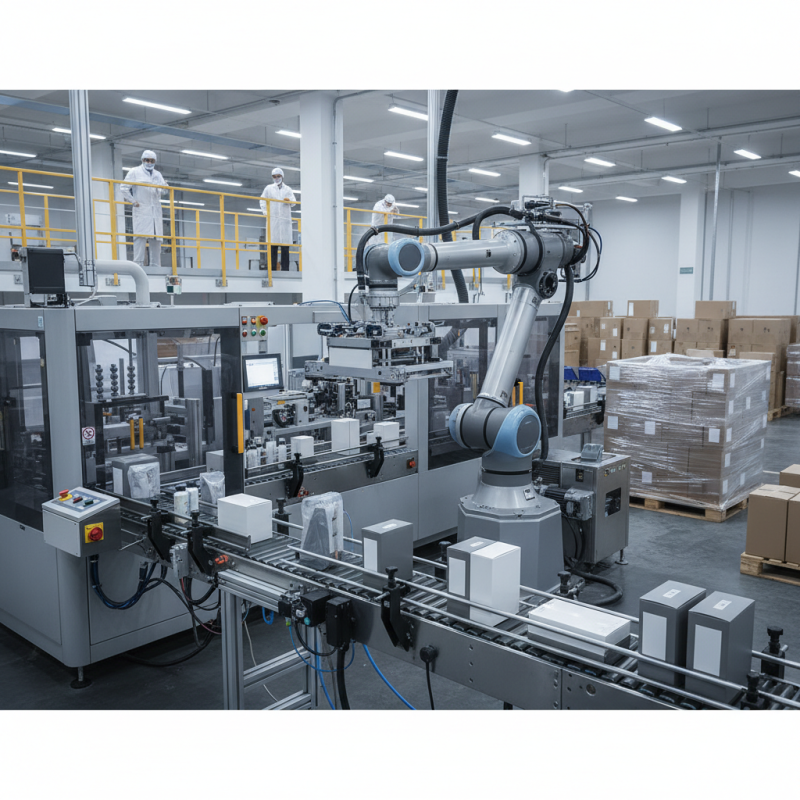
Importance of Packaging Equipment in Enhancing Productivity
In today's fast-paced manufacturing world, packaging equipment plays a crucial role in boosting productivity. According to a recent industry report, businesses that invest in advanced packaging technologies can improve their output by up to 30%. This increase is often linked to enhanced efficiency and reduced downtime.
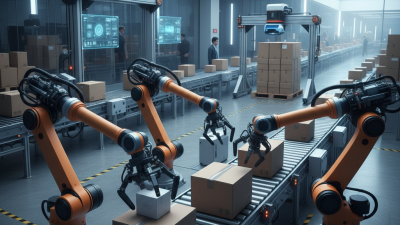
Automation in packaging allows manufacturers to streamline processes. An automated system can perform tasks like filling, sealing, and labeling faster than manual methods. This not only saves time but also minimizes human error. Reports indicate that companies can cut costs by about
20% with reliable packaging solutions.
Tip: Consider upgrading to semi-automated equipment if full automation isn’t feasible. This can bridge the gap to more efficient processes without a massive investment.
Yet, not all packaging solutions fit every manufacturing line. Each product has unique requirements. Businesses sometimes overlook the importance of
custom packaging that caters to specific needs. This often leads to inefficiencies and wasted resources.
Tip: Regularly assess your packaging needs to ensure alignment with production goals. Small adjustments can lead to significant improvements.
Role of Automation in Modern Packaging Processes
Automation plays a crucial role in modern packaging processes.
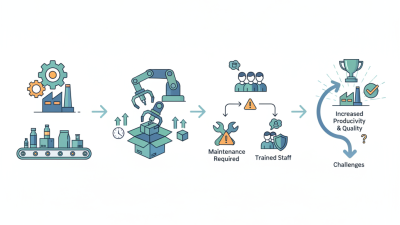
It significantly increases efficiency and reduces labor costs. A report by Smithers indicates that automation can enhance production speed by 25% to 50%. This means manufacturers can meet rising demands more effectively.
However, relying heavily on automation isn’t without challenges. Many companies face issues such as integration with existing systems. A staggering 30% of firms report difficulties in adapting automated solutions. The learning curve for employees can also be steep, leading to initial productivity dips.
Despite these hurdles, the benefits are tangible. Automated packaging systems ensure consistent quality and minimize human error. According to the Automation Federation, such systems can decrease error rates by up to 90%. Embracing automation in packaging is a step many firms must consider moving forward, even if the path isn’t perfectly smooth.
Impact of Packaging Equipment on Product Safety and Quality
In modern manufacturing, packaging equipment plays a crucial role in ensuring product safety and quality. Efficient machinery minimizes the risk of contamination during the packing process. For instance, automated systems can reduce human handling, which is a common source of errors. Contamination can occur from simple actions like touching products or equipment. Thus, investing in reliable packaging technologies becomes essential.
Moreover, the quality of packaging affects shelf life. Proper sealing preserves freshness and prevents spoilage. It also protects products from environmental factors. If packages are not sealed correctly, it can lead to product damage before reaching consumers. This not only impacts customer satisfaction but also brand reputation. However, some manufacturers still overlook the importance of effective packaging.
Reflections on current practices reveal gaps that need attention. Many companies face challenges in aligning their packaging processes with safety standards. There might be outdated equipment that cannot guarantee consistent quality. Regular maintenance and updates are vital to avoid this. Balancing cost and quality is often tricky. Yet, the investment in better machinery can yield significant long-term benefits.
Impact of Packaging Equipment on Product Safety and Quality
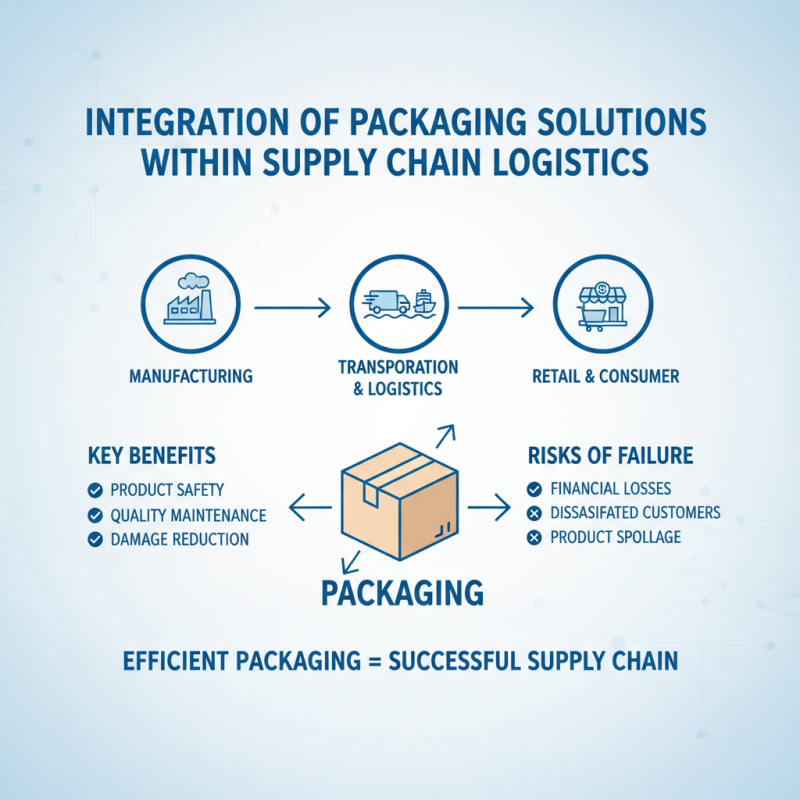
Integration of Packaging Solutions within Supply Chain Logistics
Supply chain logistics depend heavily on effective packaging solutions. As products move from manufacturers to retailers, packaging ensures safety and integrity. Reliable packaging systems help in maintaining product quality during transportation. When packaging fails, the risk of damage increases. This can lead to financial losses and dissatisfied customers.
Integration of packaging equipment is crucial for efficiency. Automated systems reduce human errors and speed up the process. They also offer real-time tracking, providing valuable data throughout the supply chain. Yet, adopting new technology can be a challenge. Companies must adapt their operations, which may cause initial disruptions. It's essential to balance innovation with stability.
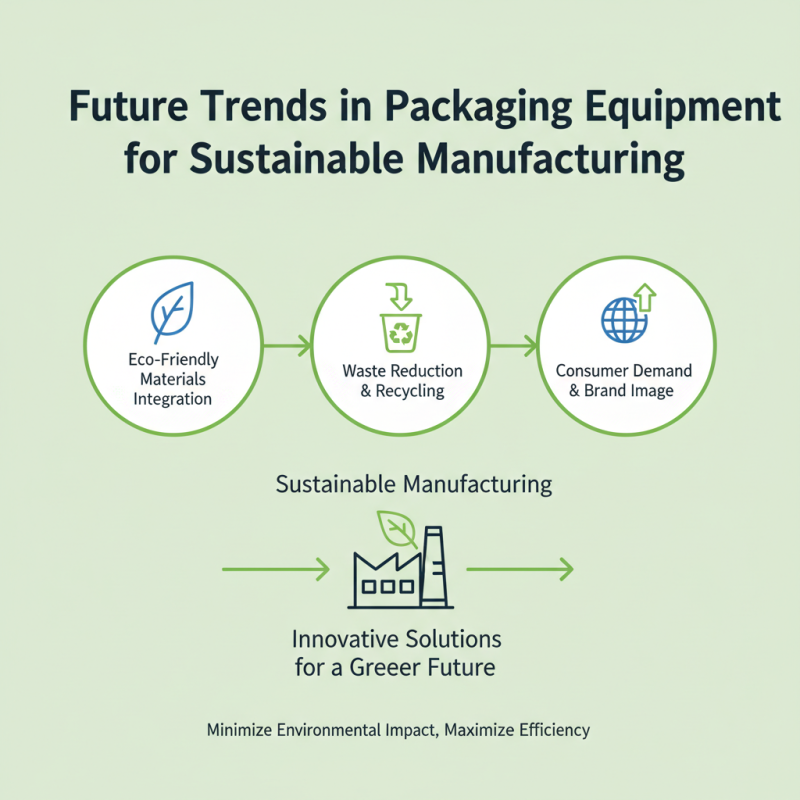
Incorporating sustainable materials into packaging is another vital aspect. The demand for eco-friendly solutions continues to rise. However, sourcing these materials can be complicated. Companies might struggle with costs versus environmental impact. Finding the right balance requires careful consideration and ongoing evaluation.