10 Essential Tips for Choosing an Automatic Bag Filling Machine
In the fast-paced world of packaging, selecting the right automatic bag filling machine is crucial. Industry reports indicate that businesses can reduce costs by up to 30% with efficient machinery. Peter Johnson, a renowned expert in the automation sector, once said, “Choosing the right equipment can make or break your production line.”
When considering an automatic bag filling machine, it is vital to evaluate various factors. The machine's speed, accuracy, and versatility can significantly impact your operations. For example, companies that invest in high-quality machinery often see better return rates. Yet, some may overlook essential features or maintenance needs, leading to unexpected downtime.
Moreover, many businesses find it challenging to keep up with technological advancements. Regular upgrades can be overwhelming. Hence, reflecting on your current needs and future goals is essential. Balancing cost and performance requires careful thought. An informed decision today may shape your success for years to come.
Understanding Your Packaging Needs and Product Characteristics
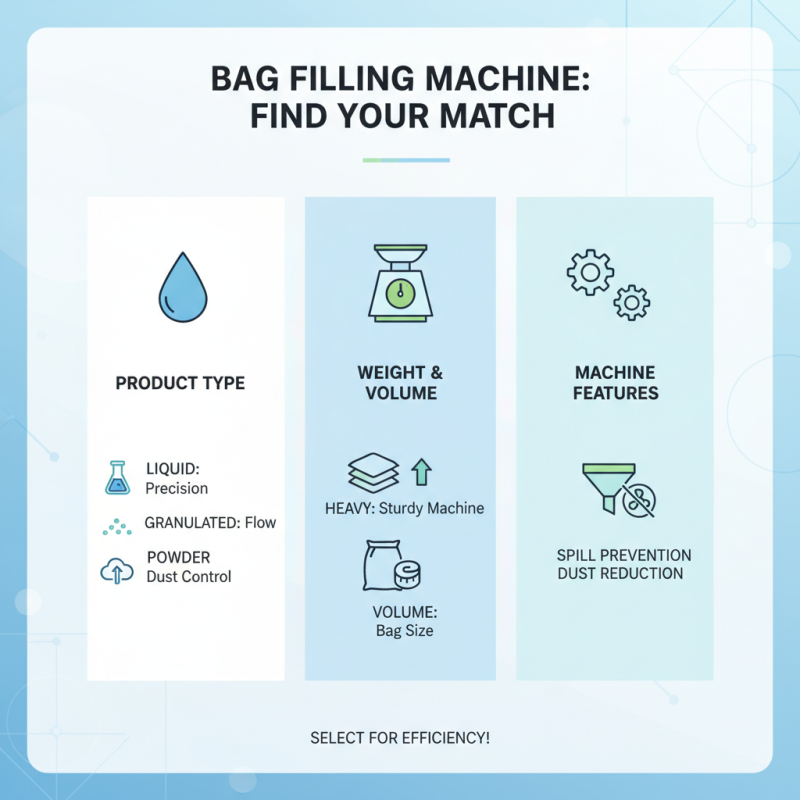
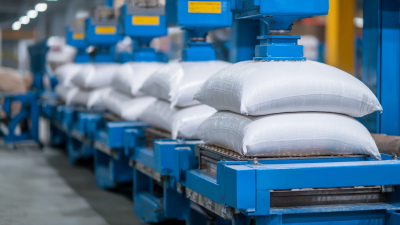
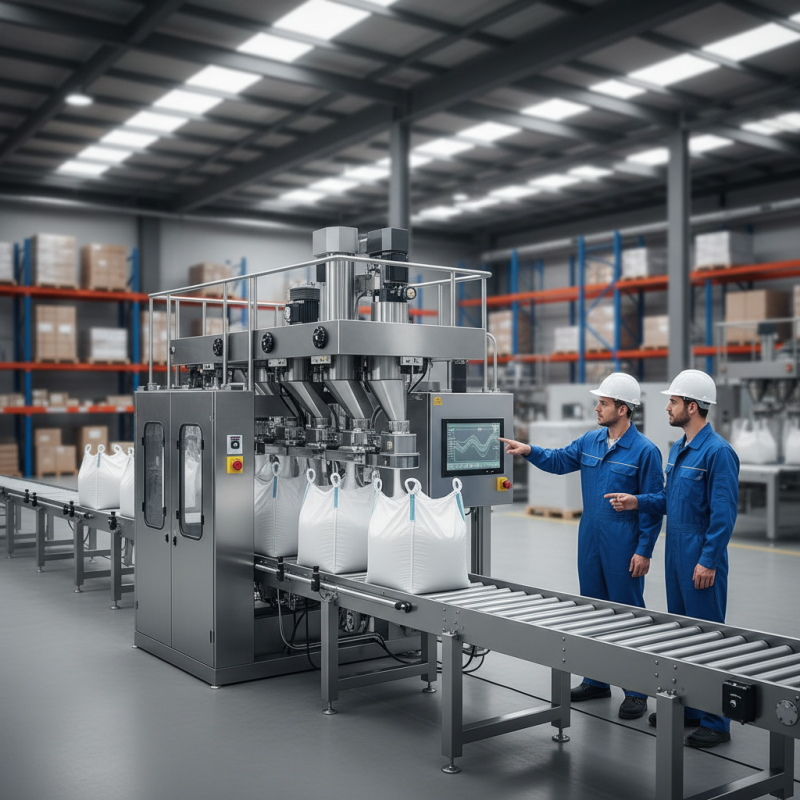
When selecting an automatic bag filling machine, understanding your packaging needs is crucial. Consider the type of product you are filling. Is it granulated, liquid, or powder? Each product has different flow characteristics. For instance, liquids require precision to avoid spillage. Powders, on the other hand, may create dust, needing specific features to minimize this issue. Think about the weight and volume of each bag as well. Heavy materials need sturdy machines that can handle stress without breaking down.
Product characteristics also play a significant role in the decision-making process. Is your product sensitive to moisture or temperature? If so, choose a machine that can maintain optimal conditions during filling. Take the time to evaluate the materials of both the machine and the bags. Not all materials are compatible, which may lead to leakage or contamination. It's critical to reflect on these aspects during your search. Sometimes, the perfect machine might not exist. Be prepared to compromise on certain features while ensuring efficiency and safety.
Evaluating Different Types of Automatic Bag Filling Machines
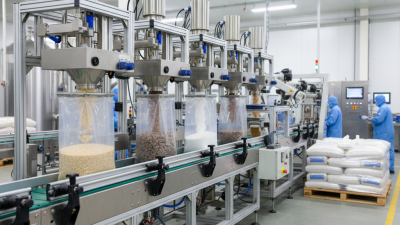
When evaluating different types of automatic bag filling machines, several factors can guide your decision. Consider the kind of materials you'll be working with. Do you need a machine that handles granules, powders, or liquids? Each type requires a specific filling mechanism. For instance, volumetric fillers work well for solids, while liquid fillers have a different setup.
Speed and efficiency are crucial, yet they can vary. Some machines only fill a few bags per minute. Others may handle hundreds. Think about your production needs. A slower machine might suffice for low-demand products but could slow down operations for high-volume items.
Also, consider the machine's ease of use. Some models have user-friendly interfaces, while others may require extensive training. A complicated setup can lead to downtime. Regular maintenance is another aspect to think about. Machines that are hard to clean can accumulate waste and lead to inefficiencies. Therefore, reflecting on these details can significantly impact your choice.
Key Features to Look for in Bag Filling Equipment
Choosing the right automatic bag filling machine can greatly enhance your production efficiency. When evaluating equipment, pay close attention to key features. A recent industry report indicates that bag filling accuracy can impact overall productivity by up to 25%. Precision in filling is essential for maintaining product quality and reducing waste.
Consider the machine’s maximum filling speed. Some machines can fill up to 60 bags per minute. While speed is important, ensure that it does not compromise accuracy. Look for equipment that balances both speed and precision effectively.
Another vital feature is adaptability. Machines should handle various bag sizes and materials. Flexibility can lead to improved production lines and reduced downtime. Moreover, ease of maintenance should not be overlooked. According to a 2022 survey, 45% of manufacturers experienced productivity loss due to machine breakdowns. Regular maintenance can mitigate these risks and keep productivity on track.
10 Essential Tips for Choosing an Automatic Bag Filling Machine
This chart illustrates the importance level of various features when selecting an automatic bag filling machine. The attributes are rated on a scale from 1 to 10, where higher values indicate greater importance. Consider these features to enhance efficiency and productivity in bag filling operations.
Assessing Production Speed and Efficiency Requirements
When choosing an automatic bag filling machine, assessing production speed and efficiency is crucial.
According to industry reports, machines with a filling speed of 10 to 120 bags per minute can significantly impact overall productivity.
If your production line requires high-speed operations, consider machines on the higher end of that spectrum.
More speed can mean more output, but it can also come with challenges, such as increased maintenance needs.
Efficiency needs to encompass more than just speed.
Industry data indicates that inconsistent filling can lead to product waste and increased costs.
A machine that claims high speed without accuracy may not be the best investment.
Striking a balance between speed and precision is essential.
A machine that fills quickly but inaccurately can create bottlenecks that ultimately slow down production.
Evaluating your specific requirements is necessary.
Not all industries have the same standards.
For example, food and beverage sectors often need machines with higher accuracy to meet regulations.
Machines that can adapt to various bag sizes and materials can enhance operational efficiency as well.
Consider the long-term implications of your choice.
Cheaper machines might require more frequent replacements or repairs, leading to hidden costs.
Budget Considerations and Maintenance Costs for Bag Fillers
When selecting an automatic bag filling machine, understanding budget considerations is crucial. The purchase price is often a major component, but it's not the only factor. Installation costs should also be factored in. You might need to modify your production line. Such modifications can add to the overall expense. Consider potential upfront costs versus long-term savings. Sometimes, spending more upfront can lead to a more reliable machine that minimizes downtime.
Maintenance costs are another important aspect. Regular maintenance is essential for efficiency. However, these costs can vary significantly. Some machines require more frequent service than others. Factor in the cost of spare parts and technician fees. It's wise to consult with vendors about expected maintenance frequency. Training your staff is vital. They need to know how to operate the machine correctly. If not, you’ll face costly mistakes. Investing in staff training may seem excessive, but it can save money in the long run. Think about these elements carefully to ensure a wise investment.
10 Essential Tips for Choosing an Automatic Bag Filling Machine - Budget Considerations and Maintenance Costs for Bag Fillers
| Tip |
Description |
Estimated Cost ($) |
Maintenance Frequency |
Lifespan (Years) |
| 1. Define Production Needs |
Assess your production capacity requirements to determine the machine type. |
2000 - 15000 |
Annually |
10 |
| 2. Choose the Right Features |
Evaluate necessary features like bag size adjustments and automation levels. |
3000 - 20000 |
Semi-Annually |
8 |
| 3. Assess the Price |
Ensure the cost aligns with your budget while considering ROI. |
5000 - 30000 |
Monthly |
15 |
| 4. Check Energy Efficiency |
Look for machines that minimize energy costs over time. |
2500 - 12000 |
Quarterly |
12 |
| 5. Evaluate Maintenance Costs |
Understand potential repair and upkeep costs for the machine. |
500 - 3000 |
Weekly |
10 |
| 6. Consider Manufacturer Reputation |
Research manufacturers for reliability and customer service. |
1500 - 10000 |
Annually |
15 |
| 7. Read User Reviews |
Analyze reviews for real-world performance and issues. |
Free |
N/A |
N/A |
| 8. Check Technical Support Options |
Ensure the manufacturer provides reliable technical support. |
Variable |
As Needed |
N/A |
| 9. Analyze Warranty Terms |
Review warranty coverage for parts and service durations. |
Free - 2000 |
N/A |
Typically 1 - 3 |
| 10. Make an Informed Decision |
Compare options based on performance, cost, and support. |
N/A |
N/A |
N/A |