10 Essential Tips for Choosing the Best Bagging Machine?
Choosing the right bagging machine is crucial for any business involved in packaging. The efficiency and speed of your operation can hinge on this decision. With various options available, finding the best fit can be overwhelming. Each type of bagging machine offers distinct features that cater to specific needs, influencing both productivity and costs.
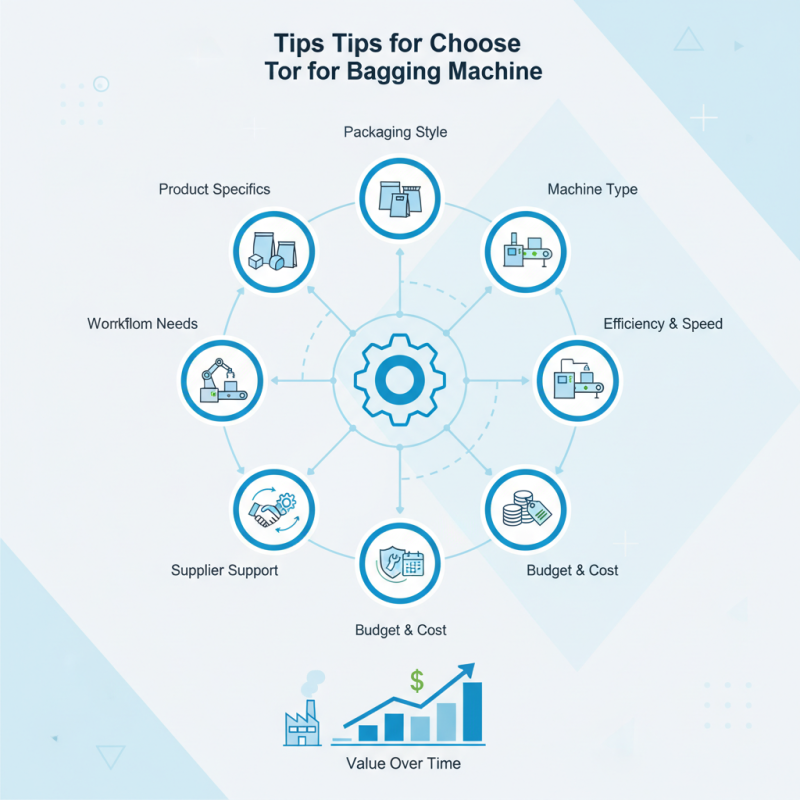
Consideration of several factors is essential when selecting a bagging machine. Think about your product's specifics, such as size, weight, and packaging style. A machine that excels for one product might not suit another. It may also be beneficial to evaluate the machine's automation level. Automation can significantly reduce manual labor and increase output, but it often comes with a higher initial investment.
A bagging machine should align with your business goals and workflow. Therefore, it's important to reflect on your long-term needs. Many businesses jump into a purchase based on current demands, overlooking future requirements. This reflection can prevent costly mistakes. Assess your budget wisely. Choosing the right machine is not just about upfront costs; it's about value over time. Investing in a reliable bagging machine leads to better efficiency and satisfaction in the long run.
Factors to Consider When Selecting a Bagging Machine
Choosing the right bagging machine requires careful consideration of several important factors. First, assess the type of products you need to bag. Different machines handle various materials differently. For delicate items, a gentle handling system is essential. For heavier or bulk products, sturdy equipment is necessary to avoid damage during the process.
Next, consider the speed and efficiency of the machine. Production demands often dictate the speed required. A machine that operates too slowly may create a bottleneck in your workflow. Reliability is also crucial; downtime can hit your bottom line hard. Equipment that frequently malfunctions can end up being more costly over time.
Pay attention to the size and footprint of the machine as well. A machine that fits perfectly in your space but lacks the capability you need can lead to frustration. Always balance space constraints with the potential for future growth. Proper evaluation of these factors helps in making a sound choice, even though it may not seem easy at first. Formulating a checklist based on these criteria can simplify the decision-making process.
Types of Bagging Machines and Their Applications
When selecting a bagging machine, understanding the different types on the market is crucial. There are several main categories:
vertical form fill seal machines,
multi-head weighers,
and auger fillers. Each type serves distinct applications. For instance, the vertical form fill seal machines are ideal for packing powders and granules.
According to industry reports, these machines account for over 30% of the global bagging market. Their effectiveness in speed and efficiency makes them a popular choice for food and consumer goods packaging.
Multi-head weighers excel in handling diverse products, from snacks to frozen foods. They ensure precision, reducing product waste. Studies indicate that the accuracy of multi-head weighers can enhance overall packaging efficiency by as much as 20%. Meanwhile, auger fillers are perfect for granular materials, such as spices and fertilizers. Their versatility in various industries highlights the importance of selecting the right model based on specific needs.
Despite these advancements, selecting the right bagging machine is not always straightforward. Industry professionals often note that many factors can complicate the decision-making process. For example, some may overlook the necessary technical support and maintenance capabilities of the machines. Awareness of these factors is essential for maximizing investment and efficiency in the long run.
Key Features to Evaluate in Bagging Machines
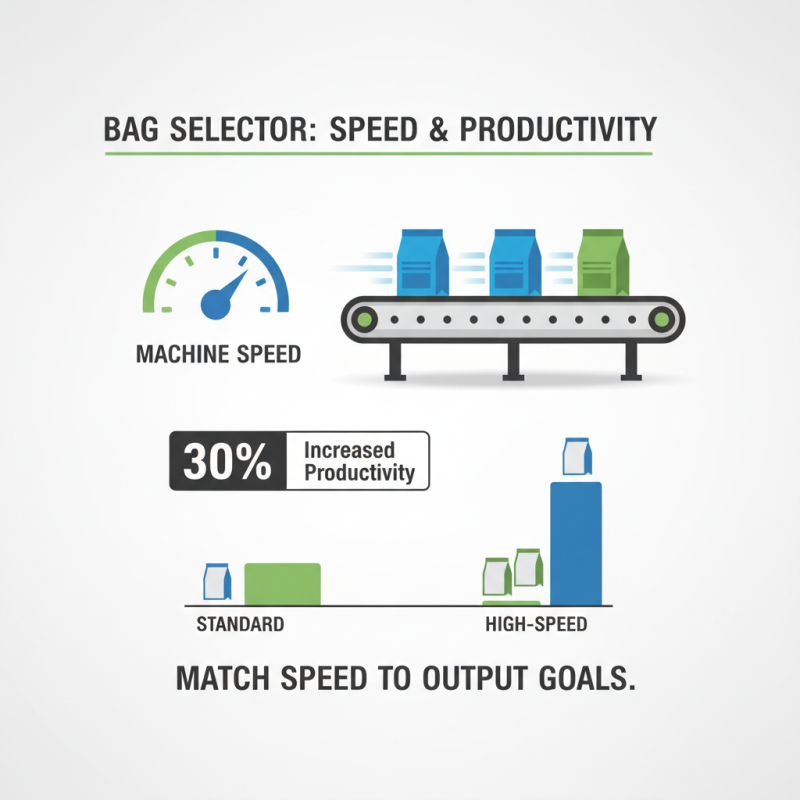
When selecting a bagging machine, understanding its key features is crucial. One essential aspect is the machine's speed. According to industry reports, high-speed machines can enhance productivity by up to 30%. Choosing a model that meets your production requirements is vital. You need to evaluate the bagging speed in relation to your output goals.
Another critical feature is versatility. Machines should accommodate various bag sizes and materials. A study showed that 70% of businesses prefer machines that can adapt to different packaging needs. This flexibility can be a game-changer for companies looking to diversify their product ranges. Additionally, consider the ease of operation. Machines with user-friendly controls minimize training time, allowing quicker adjustments.
Tip: Always analyze the machine’s maintenance requirements. A machine that requires constant repair can lead to significant downtime, impacting efficiency. Look for options with a strong service reputation. Investing in reliable service can save both time and costs long-term. Ultimately, your choices should align with your operational goals, ensuring optimal functionality and efficiency in your production line.
Comparing Costs and Budget Options for Bagging Equipment
When selecting a bagging machine, cost is a significant factor. Industry reports indicate that bagging equipment can range from a few thousand dollars to over $100,000. This wide range reflects various factors including technology, capacity, and automation features. Companies must evaluate their production needs against their budget, ensuring that they do not overspend on unnecessary features.
Many manufacturers offer budget options that still maintain quality. A basic machine might cost around $10,000 and work efficiently for smaller operations. However, as production needs grow, investing in a more advanced model could be wise. According to a recent market analysis, automated systems can lead to a 20% increase in productivity, ultimately justifying the initial higher cost.
It’s important to consider long-term expenses like maintenance and operational efficiency. A cheaper machine might save money upfront but can lead to higher costs over time due to repairs and inefficiency. Businesses should weigh these factors carefully and seek machines that offer a balance of cost, reliability, and capability. This evaluation process often reveals that sometimes, investing more upfront can lead to better savings in the long run.
Cost Comparison of Different Bagging Machines
This bar chart compares the costs of various types of bagging machines, helping you to understand the price range and make informed decisions when selecting the best bagging equipment for your needs.
Maintenance and Support Considerations for Bagging Machines
When selecting a bagging machine, maintenance and support are crucial elements. Proper maintenance ensures the longevity and efficiency of the equipment. A report from the Packaging Machinery Manufacturers Institute (PMMI) indicates that 25% of packaging machinery failures result from inadequate maintenance. Routine checks can prevent costly downtimes, which can take a toll on production schedules.
Support considerations also heavily influence decision-making. Many manufacturers offer varying levels of customer support. Some provide on-site assistance, while others offer remote troubleshooting. In a recent survey, 68% of users reported that effective technical support enhanced their operational efficiency. Without this, even the best machines can become liabilities, leading to increased repair costs and lost productivity.
Understanding the importance of parts availability is vital. Data shows that 40% of breakdowns occur due to the unavailability of necessary spare parts. Having reliable access to these components reduces repair times significantly. It's essential to evaluate this aspect before making a purchase. Investing in a machine with an established supply chain for parts can save future headaches.