A bag sealing machine is an essential tool in many industries. It ensures products remain fresh and secure during storage and transport. However, understanding how to use this machine effectively can be challenging. Many operators overlook key techniques that could enhance efficiency.
Using a bag sealing machine involves more than just pushing buttons. One must consider factors such as temperature settings, sealing time, and film thickness. Each of these plays a crucial role in creating a reliable seal. Improper adjustments can lead to wasted materials and time.
It's easy to assume you know how to operate the machine. However, failure to grasp its nuances can result in frustration. Observing minor details can improve the sealing process significantly. Knowing when to make adjustments is equally important. With practice, anyone can master the art of using a bag sealing machine.
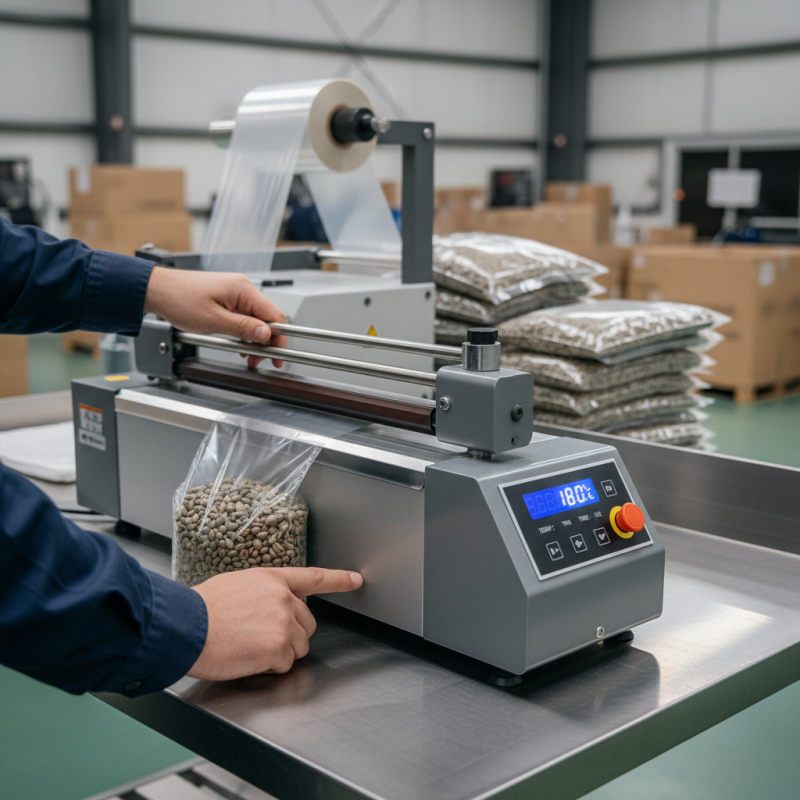
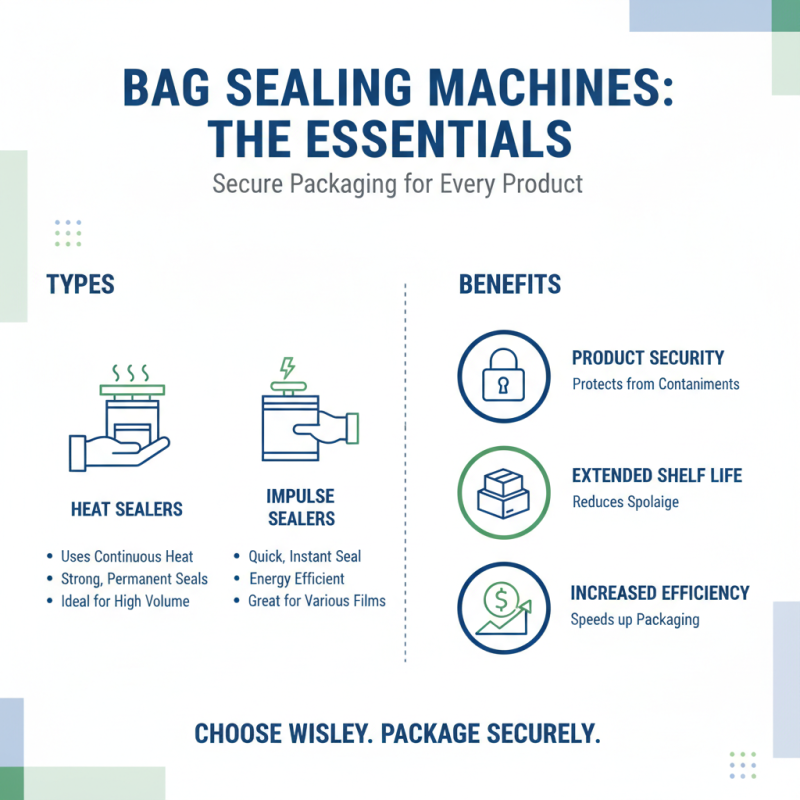
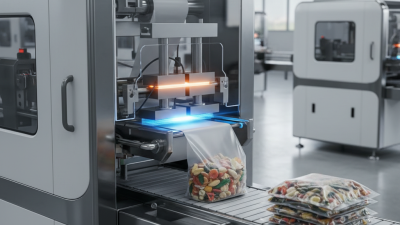
Bag sealing machines are essential for packaging products securely. They come in various types and sizes. Understanding these machines is crucial for effective use. Familiarize yourself with the most common types. Heat sealers are popular for their efficiency. They use heat to bond the bag's edges. Impulse sealers are also widely used. They create a strong seal quickly. Knowing the differences ensures you choose the right machine for your needs.
Proper setup is key to success. Test the machine with sample bags first. Adjust settings based on material thickness. Too much heat can damage the bag. Too little heat may result in weak seals. Pay attention to the cooling time as well. Rushing the process can lead to failures. Observe how the machine handles different bag sizes. Each type of bag may require unique adjustments.
Regular maintenance is often overlooked but vital. Dust and debris can affect performance. Clean the sealing bars regularly. Check for any wear or damage. Being attentive to these details can prevent costly mistakes. Experiment with different techniques over time. There might be a learning curve. Document your observations to improve your process.
Choosing the right bag sealing machine is crucial for efficiency and effectiveness. Consider your specific needs before making a decision. Types of bags you use, sealing speed, and available space all matter. A compact machine might be suitable for small operations, while larger businesses may require industrial-grade models.
When evaluating options, think about the features that matter most. A machine with adjustable temperature controls could be beneficial for various materials. An automatic sealing machine can save time, but it may require more upfront investment. Don’t ignore user reviews; they can reveal issues not mentioned in specifications.
Test different models if possible. Familiarize yourself with the quirks and challenges of each machine. Some may have learning curves that take time to master. Evaluate the machine's maintenance requirements too. You might find that a simpler model keeps your workflow smooth. Keep in mind that reflection on your choice can lead to better long-term results.
Preparing bags and materials for effective sealing is crucial for ensuring product integrity and minimizing waste. According to industry data, nearly 30% of packaging failures occur due to improper sealing procedures. Selecting the right type of bag is essential. Materials like polyethylene and polypropylene are commonly used for their durability and heat resistance. However, not all bags perform equally under sealing conditions. For instance, bags that are too thick may not seal properly, while those that are too thin might tear easily.
Contaminants can also affect the sealing process. Dust, oil, and moisture can compromise the seal integrity. A clean workspace is necessary to avoid these issues. Regularly inspecting and cleaning your sealing machine can help maintain optimal performance. Furthermore, the temperature setting on the sealing machine should be monitored closely. Research indicates that up to 15% of seals may fail if the temperature is not within the recommended range for specific bag materials.
Testing different seal times can provide insights into the optimal settings for your needs. This trial-and-error approach may feel inefficient, but it is vital for achieving the best results. Balancing efficiency with quality control helps to minimize rejections. It’s essential to consider these factors to ensure that your sealing process meets the desired standards.
Operating a bag sealing machine can be straightforward, but attention to detail is crucial. Start by ensuring the machine is set up correctly. Check that the heat settings match the material of the bags you plan to seal. A common mistake is using the wrong temperature, which can lead to either under or over-sealing. Pay attention to the type of seal required. If you’re sealing heavy bags, a more robust setting is necessary.
Next, feed the bags into the machine carefully. A hasty hand can cause awkward folds. The bags should lay flat without crinkles. Ensure the bag opening is even and accessible. Otherwise, the seal will be uneven. It's also vital to monitor the speed of operation. Rushing can lead to mistakes, and you might need to re-seal later. After sealing, allow the bags to cool down. Sealing too quickly can cause weak joints. Balancing speed and precision takes practice.
Adjust your technique based on the bag type. Thin plastic might seal faster than thicker material. Keep the workspace organized. Clutter can distract and result in errors. Always stay alert during operation; distractions can lead to unwelcome issues. Reflecting on these aspects will help you become more proficient over time. Experience is the best teacher, so don’t be discouraged by setbacks.
| Tip Number | Tip Description | Importance | Expected Outcome |
|---|---|---|---|
| 1 | Read the user manual thoroughly before operating the machine. | High | Ensures safe and correct use of the machine. |
| 2 | Select the appropriate sealing method for your material type. | High | Prevents damage to bags and ensures a strong seal. |
| 3 | Keep the sealing area clean and free from debris. | Medium | Improves sealing quality and reduces contamination. |
| 4 | Adjust temperature settings according to bag material. | High | Ensures optimal sealing without damaging the bags. |
| 5 | Perform regular maintenance checks on the machine. | Medium | Ensures longevity and efficient performance of the machine. |
| 6 | Use proper alignment to avoid sealing errors. | High | Improves sealing accuracy and reduces waste. |
| 7 | Keep bags dry before sealing to prevent leaks. | High | Improves seal durability and prevents content spoilage. |
| 8 | Practice using the machine with scrap materials first. | Medium | Builds skills and confidence before actual use. |
| 9 | Invest in quality sealing bags for better results. | High | Ensures better seals and protects contents. |
| 10 | Always check for functionality before starting a production run. | High | Reduces downtime and ensures smooth operation. |
Maintaining your bag sealing machine is key to achieving optimal performance. Regular cleaning is crucial. According to a report from Packaging Strategies, improper maintenance can lead to a 30% decrease in efficiency. Dust and residue can accumulate over time, affecting the sealing process. Take time to wipe down all surfaces and inspect the sealing jaws for any build-up.
Lubrication is another important aspect. Many users overlook this step. A lack of lubrication can cause wear and tear, resulting in costly repairs. Research indicates regular lubrication can extend the machine's lifespan by up to 50%. It’s vital to use the appropriate type of lubricant recommended for your machine.
Monitoring temperature settings is essential. Inconsistent heat can compromise seal integrity. Some operators fail to adjust settings based on bag material, leading to weak seals. Regularly check temperatures to ensure they are within the required range. Even minor deviations can result in defects and product loss. Ultimately, proactive maintenance safeguards quality while reflecting a commitment to operational excellence.
A&B has become the leader in fresh packing and cleaning equipment for fruits and vegetables worldwide. We have achieved this by relentlessly working to produce new and innovative ideas, along with the best customer service on Earth combined with hard working, dedicated, loyal employees and the latest industrial manufacturing techniques. We are now proud to say that we manufacture The Fulcrum Fresh Harvester, this is a one of a kind Berry Harvester that was specifically designed to handle fresh pick blueberries.
732 W. Saint Joseph Street
Lawrence, MI 49064
Phone: 269-539-4700 Fax: 269-539-4705
sale@industrialpackagingmachines.com