Why is Food Packaging Equipment Essential for Your Business?
In today's competitive market, food packaging equipment plays a crucial role in the success of any food business. This equipment not only ensures the safety and longevity of products but also enhances their visual appeal. Understanding its importance leads to smarter business decisions.
A well-equipped packaging line can significantly affect production efficiency and operational costs. Investing in reliable food packaging equipment can yield long-term benefits. It may seem overwhelming to select the right machinery, but careful consideration can lead to greater profitability.
Moreover, quality equipment can provide consistency in packaging. Inconsistent packaging may lead to customer dissatisfaction. Businesses that prioritize their food packaging equipment may find themselves with a loyal customer base. However, overlooking this aspect can hinder growth and innovation. Balancing quality and cost remains a constant challenge for many.
Importance of Food Packaging Equipment for Business Efficiency
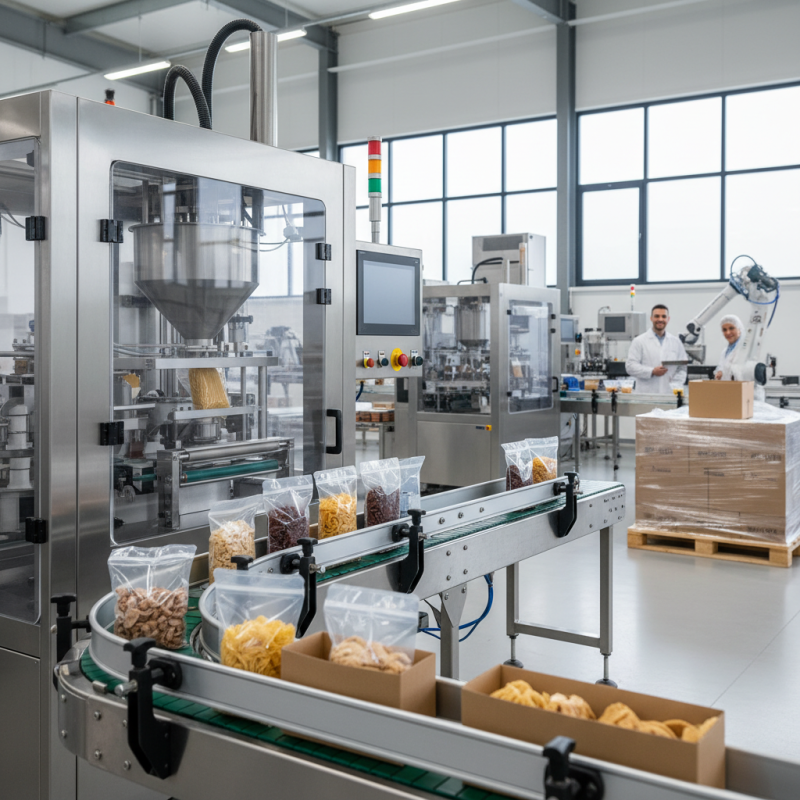
Efficient food packaging is critical for business success. According to recent studies, nearly 70% of consumers base their purchase decisions on packaging. This highlights the need for businesses to invest in reliable food packaging equipment. With technology evolving, companies that upgrade their equipment can enhance their speed and reduce labor costs.
Moreover, efficient packaging minimizes food waste. Industry reports suggest that improper packaging can lead to spoilage rates exceeding 15%. Advanced equipment ensures better seals and preservation methods, directly impacting shelf life and reducing losses. This not only boosts profit margins but also aligns with sustainability goals, a growing concern among consumers.
However, businesses often underestimate the learning curve associated with new equipment. Training staff can be a challenge, and initial costs may seem high. Yet, the long-term benefits often outweigh these obstacles. Companies that take the time to adapt to new technologies report improved productivity and customer satisfaction. Recognizing these challenges is vital for adapting to industry needs and for continuous improvement.
Role of Food Packaging in Ensuring Product Freshness and Safety
Food packaging plays a critical role in preserving product freshness and safety. Effective packaging protects items from external elements. This includes moisture, air, and contaminants. Fresh produce, for example, benefits from breathable materials. In contrast, delicate items like baked goods require airtight seals. Finding the right balance can be tricky.
Attention to detail is vital in packaging design. Certain materials enhance shelf life, while others may not offer adequate protection. The wrong choice can lead to waste. Truancy in packaging can compromise quality, risking customer trust. As businesses grow, they must constantly evaluate their packaging strategies.
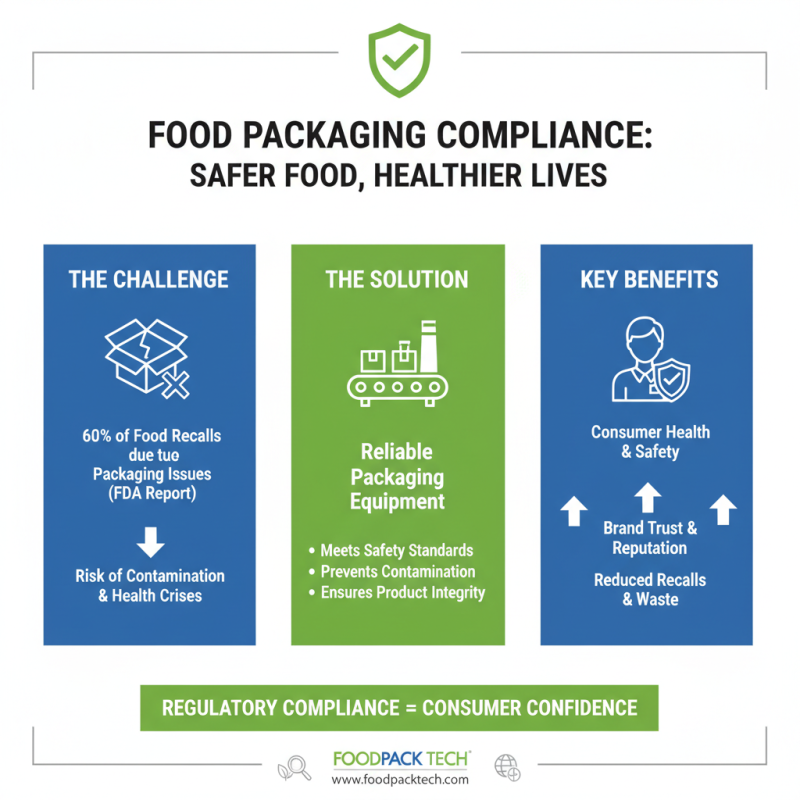
Safety is another key aspect of food packaging. Contaminated food can lead to serious health issues. The right packaging minimizes contamination risks. Moreover, clear labeling helps consumers make informed choices. Regular reviews and updates of packaging methods ensure compliance with safety standards. This ongoing process builds a strong reputation and fosters customer loyalty.
Cost-Effectiveness of Automated Food Packaging Solutions
The food packaging industry is evolving rapidly. Automated food packaging solutions are increasingly considered essential for businesses looking to enhance efficiency. According to the Freedonia Group, the demand for food packaging equipment will grow at an annual rate of 3.3%, reaching over $20 billion by 2025. This growth highlights a critical shift towards automation.
Cost-effectiveness is a primary advantage of automated systems. A report by ResearchAndMarkets indicates that automated packaging can save companies up to 20% on labor costs annually. Additionally, these systems reduce packaging material waste, which directly influences the bottom line. Yet, many businesses hesitate, fearing high initial investments. The reality is that the ROI often justifies the expense over time.
While automated solutions streamline operations, they can pose challenges. Implementation can require significant training for staff. There is a learning curve that may disrupt production temporarily. Businesses must assess their readiness for such changes carefully, balancing the urgency to modernize against potential hiccups in adaptation. Evaluating these factors is crucial as the market landscape continues to shift.
Cost-Effectiveness of Automated Food Packaging Solutions
Impact of Packaging Design on Consumer Appeal and Sales
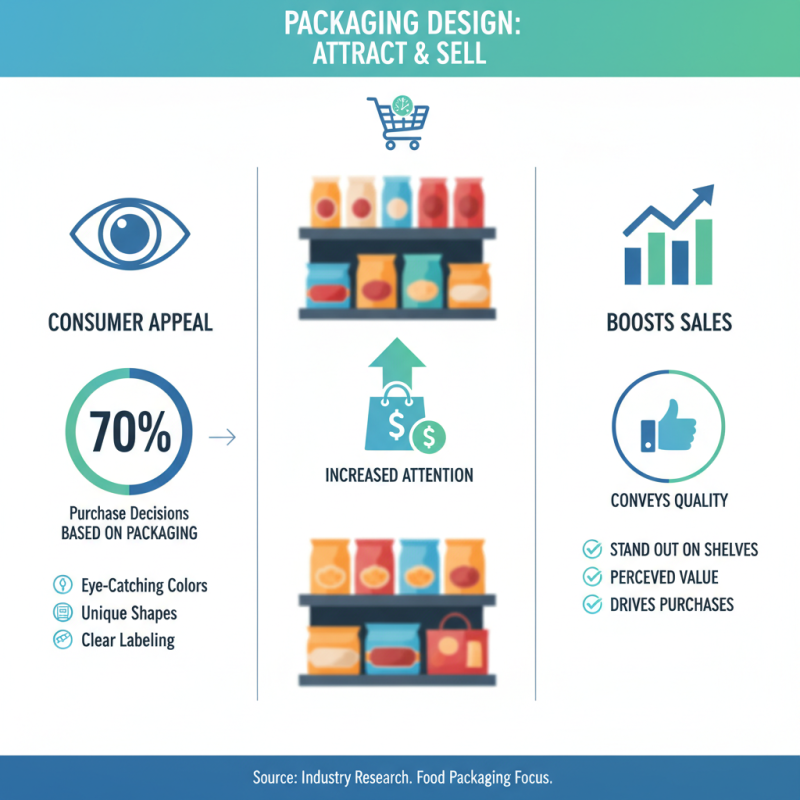
The design of food packaging significantly influences consumer perception and purchasing decisions. A well-designed package can attract attention and convey product quality. Research indicates that up to 70% of consumers make purchase decisions based solely on packaging. Eye-catching colors, unique shapes, and clear labeling can make a product stand out on crowded shelves.
Moreover, the psychology of packaging plays a vital role. Studies show that consumers often associate premium packaging with higher quality. A survey revealed that 61% of consumers stated they would pay more for a product in attractive packaging. This highlights how design can drive profitability. However, not all packaging meets these expectations. If it doesn’t reflect the product's quality or brand values, it can lead to missed opportunities for sales.
In an era where sustainability matters, eco-friendly packaging can enhance brand loyalty. Brands employing sustainable materials can attract a dedicated customer base. Nearly 73% of consumers express interest in sustainable packaging, yet many brands still lag in implementation. The gap between consumer expectations and actual offerings suggests a need for improvement and reflection on packaging strategies within the industry.