What Is Green Matcha Powder and How Is It Used?
Green Matcha Powder is finely milled green tea made from shade-grown Camellia sinensis leaves. Unlike ordinary tea, matcha is whisked into water and consumed as a whole leaf. This difference gives it a vivid color, grassy aroma, and concentrated flavor. Traditional producers shade the plants before harvest, then remove stems and grind the leaves slowly. The result should feel smooth, not sandy. Quality varies considerably.
It is not magic.
A modest serving can provide caffeine and naturally occurring L-theanine. However, its effects depend on serving size, individual sensitivity, and preparation. Research often describes matcha as a source of antioxidants, but it should not replace a balanced diet or medical advice. A trustworthy product should list its origin, ingredients, and testing information. Bright green powder alone does not prove freshness or quality.
In daily use, people whisk Green Matcha Powder with warm water for a brisk drink. Water that is too hot may create a harsh, bitter taste. Many users blend it into oat milk, yogurt, smoothies, baked goods, or savory sauces. A bamboo whisk creates foam, although a small kitchen shaker can work. Start with a small amount. The flavor can dominate quickly. Storage also matters; an airtight, light-resistant container helps protect its color and aroma. Some claims about matcha remain overstated, and better human research is still needed. This guide focuses on practical preparation, product evaluation, and sensible use rather than exaggerated promises.
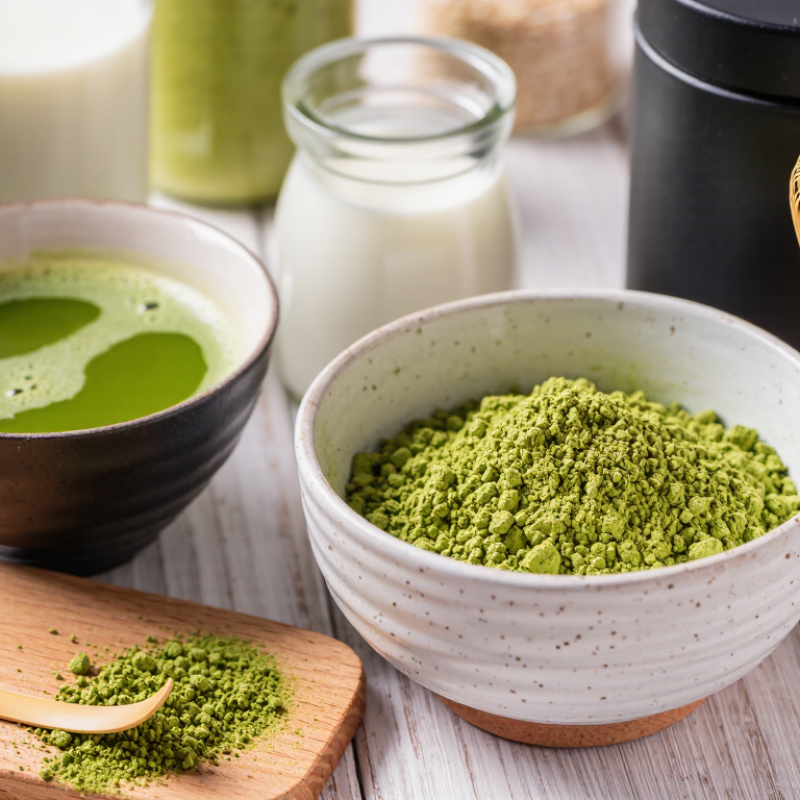
What Green Matcha Powder Is: Tencha Leaves from Camellia sinensis
Green matcha powder comes from tencha leaves of Camellia sinensis, the same species used for other teas. Before harvest, growers shade the plants for several weeks. This reduces direct sunlight and changes the leaf’s flavor and composition. The harvested leaves are steamed, dried without rolling, and stripped of stems and veins. The remaining leaf material is tencha. Stone milling then turns it into a fine, vivid green powder.
Matcha differs from steeped tea because the whole powdered leaf is consumed. In practice, sift about one teaspoon into a bowl, add warm water, and whisk until a light foam appears. Water around 70–80°C usually protects its delicate aroma. Boiling water can make the drink taste sharp. The flavor may suggest spinach, fresh grass, seaweed, or mild sweetness. It is not always smooth. Some batches feel slightly bitter or chalky.
Green matcha powder can also flavor yogurt, oats, sauces, and baked foods. Its caffeine content varies with serving size and cultivation. The powder’s bright color alone does not prove freshness or quality. That point is easy to overlook. Fresh matcha should smell clean and vegetal, not stale or dusty. Keep it sealed, cool, and away from light. I would also question recipes that use large amounts without considering bitterness, caffeine, or ingredient balance. The best use depends on the powder’s texture, aroma, and intended preparation.
What Is Green Matcha Powder and How Is It Used? - What Green Matcha Powder Is: Tencha Leaves from Camellia sinensis
| Data Dimension | Factual Information | Why It Matters |
|---|---|---|
| Product Type | Matcha is a finely ground green tea powder made from specially processed tea leaves. | The whole powdered leaf is consumed rather than drinking only an infusion. |
| Botanical Source | Camellia sinensis, the same plant species used to produce other true teas. | The tea plant, processing method, and growing conditions determine the final style and flavor. |
| Leaf Material | Authentic matcha is produced from shade-grown leaves that are processed into tencha before grinding. | Tencha is the traditional raw material that distinguishes matcha from ordinary powdered green tea. |
| Shading Period | Tea plants are commonly shaded for several weeks before harvest, often about 20–30 days. | Reduced sunlight can encourage higher chlorophyll levels and support a softer, more savory taste. |
| Harvested Parts | Young leaves and buds are typically selected for higher-quality matcha. | Tender leaf material generally produces a smoother texture and more balanced flavor. |
| Steaming | Fresh leaves are commonly steamed soon after harvest to limit oxidation. | This helps preserve the green color and fresh vegetal character associated with Japanese-style green tea. |
| Tencha Processing | After steaming and drying, tencha is usually deveined and destemmed before milling. | Removing coarse stems and veins supports a finer powder and a more even mouthfeel. |
| Grinding Method | Traditional matcha is slowly milled into a very fine powder, historically using stone mills. | Fine particles disperse more smoothly in water and create matcha’s characteristic creamy texture. |
| Appearance | The powder is typically bright green to deep green, depending on cultivar, shading, harvest, and processing. | Color can provide useful quality clues, although it should not be used as the only quality measure. |
| Flavor Profile | Common flavor notes include vegetal, fresh, savory, mildly sweet, and umami-like characteristics. | Shading and the use of young leaves can contribute to a fuller taste than many unshaded green teas. |
| Naturally Occurring Compounds | Matcha contains naturally occurring caffeine, L-theanine, catechins, chlorophyll, and other tea compounds. | Because the powder is consumed whole, its composition differs from that of a tea made only by steeping leaves. |
| Traditional Preparation | A small amount of powder is whisked with hot water until it is evenly suspended and lightly frothy. | Whisking prevents large clumps and creates the smooth texture expected in a traditional serving. |
| Water Temperature | Water is generally used below boiling, commonly around 70–80°C (158–176°F). | Cooler water can help reduce excessive bitterness and preserve delicate aromas. |
| Culinary Uses | Matcha can be added to lattes, smoothies, baked goods, desserts, sauces, and other recipes. | Its color and concentrated tea flavor make it useful in both sweet and savory applications. |
| Storage Conditions | Store matcha in an airtight, opaque container away from heat, moisture, light, and strong odors. | Proper storage helps protect its color, aroma, freshness, and flavor after opening. |
| Important Consumption Note | Matcha contains caffeine, so intake should be considered along with caffeine from other foods and beverages. | Individual tolerance varies, and people who are sensitive to caffeine may prefer smaller servings. |