What is Packaging Equipment and How Does It Impact Industries?
Packaging equipment plays a vital role in various industries, from food and beverage to pharmaceuticals. According to a recent report by MarketsandMarkets, the global packaging equipment market is expected to grow from $45 billion in 2022 to $65 billion by 2027. This significant growth highlights the increasing importance of efficient and innovative packaging solutions.
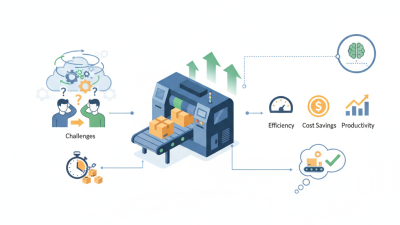
The efficiency of packaging equipment directly affects production rates and costs. For instance, companies using automated packaging systems can improve their throughput by 30% compared to manual methods. Businesses face continual pressure to optimize their operations. Yet, investing in new packaging technology often requires careful consideration.
Moreover, sustainability concerns are reshaping packaging equipment demand. The use of recyclable materials and eco-friendly processes is on the rise. Companies struggle to balance these needs with operational efficiency. As industries evolve, the impact of packaging equipment will remain critical. It influences not just packaging practices but also consumer perceptions and brand loyalty.
Definition and Importance of Packaging Equipment in Various Industries
Packaging equipment plays a vital role across various industries. It impacts efficiency, safety, and brand perception. The global packaging machinery market is projected to reach USD 60 billion by 2025, indicating its immense significance. This equipment can streamline production lines and reduce labor costs. However, implementing these machines requires a significant upfront investment. Businesses often struggle to balance initial costs and long-term savings.
In the food industry, packaging equipment ensures product safety and extends shelf life. According to a recent report, 75% of consumers are influenced by packaging. Visually appealing packaging can boost sales and brand loyalty. Yet, not all companies prioritize this. Some businesses overlook the importance of investing in the right technology. This can lead to poor packaging, affecting both product quality and customer satisfaction.
The pharmaceutical sector also heavily relies on advanced packaging solutions. The right equipment prevents contamination and ensures compliance with regulations. A study found that improper packaging can lead to a 30% increase in product returns. Companies must reflect on their packaging strategies. Are they using adequate technology? It’s vital to reassess packaging processes to meet industry standards and consumer expectations. Balancing quality and cost is a constant challenge, but essential for success.
Impact of Packaging Equipment on Different Industries
Types of Packaging Equipment and Their Functions
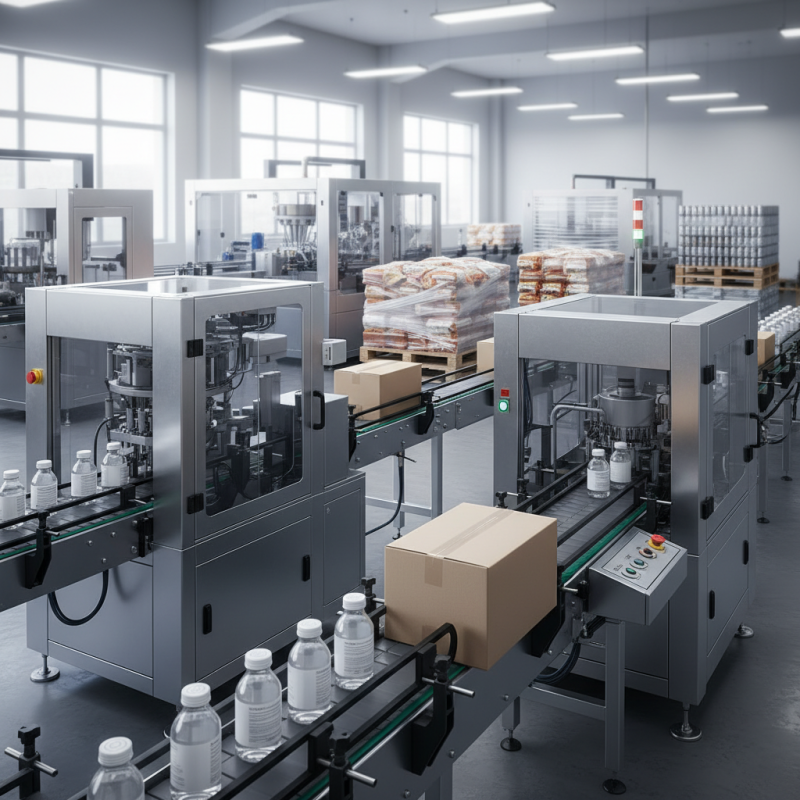
Packaging equipment plays a crucial role in various industries. It includes machines designed for filling, sealing, labeling, and palletizing products. These tools help ensure that goods are properly packaged for storage and shipment. For instance, filling machines can operate at high speeds, accurately dispensing liquids or powders into containers. However, not all industries utilize these machines effectively. Some may still rely on manual processes, leading to inefficiencies.
There are several types of packaging equipment, each serving a unique function. Wrapping machines, for example, offer protection for individual items and improve presentation. Sealing machines ensure that packages are airtight, preserving the product’s quality. The wrong choice in equipment can lead to waste and lost resources. In addition, inconsistent packaging can negatively affect customer perception. Therefore, it's crucial for companies to select the right equipment that fits their specific needs. Regularly assessing these tools can help identify areas for improvement and establish better practices.
The Role of Packaging Equipment in Enhancing Product Safety and Quality
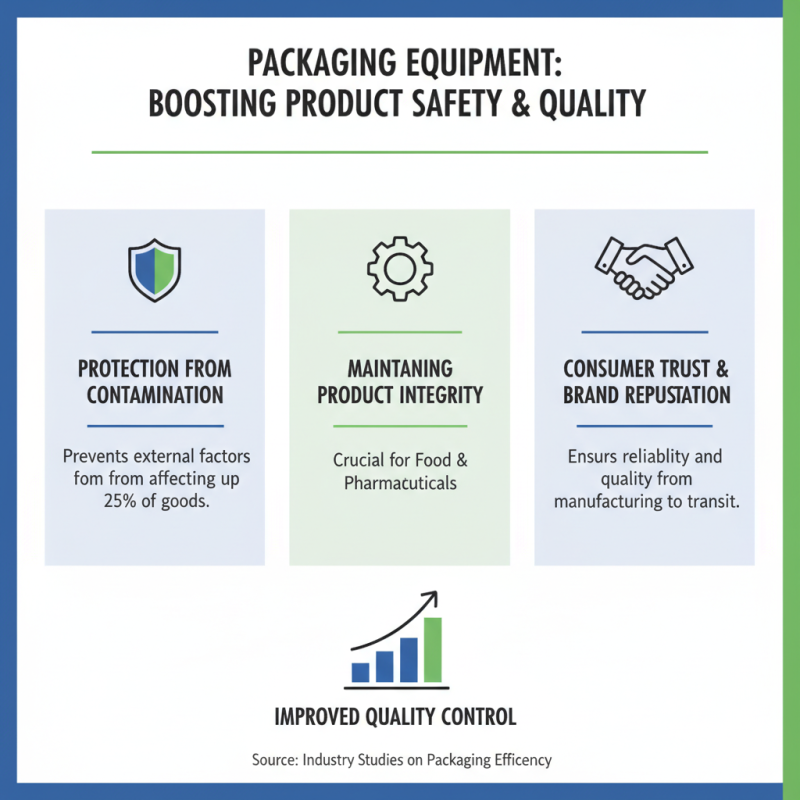
Packaging equipment plays a crucial role in ensuring product safety and quality across various industries. According to recent studies, improper packaging can lead to product contamination, affecting up to 25% of goods during transit. Effective packaging protects products from external factors. It also maintains their integrity, crucial in food and pharmaceuticals.
Investing in modern packaging machinery enhances efficiency and reduces human error. Automated systems limit exposure to harmful contaminants. For instance, sealed packaging can prevent moisture, which degrades food qualities. Data shows that 75% of consumers consider packaging when making purchasing decisions. Quality packaging can enhance brand perception significantly.
Tips: Always ensure your equipment complies with industry standards. Regular maintenance is vital for optimal performance. An occasional review of packaging practices can reveal areas for improvement. Adopting sustainable materials is another growing concern. The shift to eco-friendly packaging is not just good for the planet; it also resonates with modern consumers who prioritize sustainability.
Impact of Packaging Equipment on Efficiency and Cost Reduction
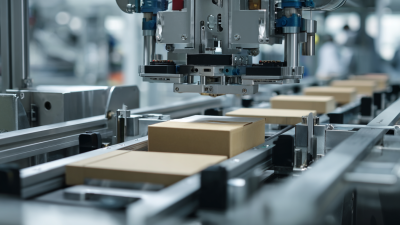
Packaging equipment plays a crucial role in various industries. It enhances productivity and reduces operational costs significantly. Automated machines streamline packaging processes, cutting down time and labor. For instance, a bottling line can fill hundreds of bottles in minutes. This efficiency is key in meeting growing consumer demands.
However, the initial investment in advanced packaging technology can be quite high. Companies may hesitate before committing to such expenses. Yet, the long-term benefits often outweigh the costs. Efficient packaging reduces material waste and lowers shipping expenses. It can also minimize the risk of product damage during transport.
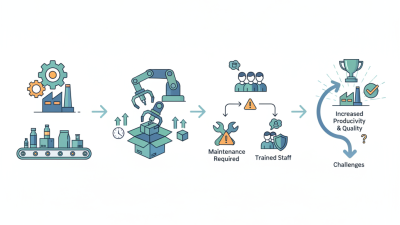
Some businesses may find it challenging to integrate new equipment seamlessly. Staff training is essential to maximize efficiency. Without proper training, the machine's potential might not be fully utilized. As industries evolve, staying current with packaging innovations is a continuous journey.
Future Trends in Packaging Equipment and Industry Innovations
The packaging equipment industry is witnessing significant changes. Innovations are reshaping processes across sectors. In 2023, the global packaging machinery market is expected to reach $48 billion, according to industry reports. This growth is driven by automation and sustainability demands.
Companies are adopting advanced technologies. Robotics and IoT are becoming common in packaging lines. For instance, automated systems can reduce labor costs by up to 30%. Yet, challenges remain. Many industries struggle to integrate these technologies effectively. Inadequate training and high upfront costs hinder progress. This creates a gap between potential benefits and actual performance.
Sustainability is another critical trend. Consumers demand eco-friendly packaging solutions. A recent study reveals that 74% of consumers are willing to pay more for sustainable packaging. However, many businesses still rely on traditional materials. This can lead to wasted resources and missed opportunities. The need for innovative, cost-effective solutions is evident. Addressing these issues is vital for companies seeking to stay competitive.