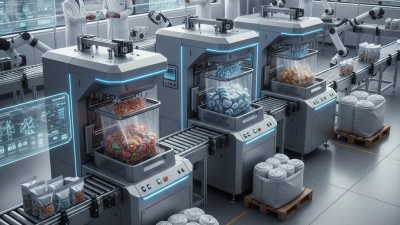
What Are the Top Filling Machine Suppliers Worldwide?

Choosing the top filling machine suppliers worldwide requires more than comparing sales rankings. A reliable assessment must examine accuracy, uptime, hygiene design, service coverage, and total ownership cost. These details become visible on a factory floor, where a small dosing error can stop production or create thousands of rejected containers.

Industry reports offer useful direction. PMMI’s packaging machinery research highlights automation, connected equipment, labor shortages, and flexible production as major purchasing concerns. Reports from Grand View Research and Mordor Intelligence also identify food, beverage, pharmaceutical, and personal care applications as key growth areas for filling equipment. Their findings suggest that leading suppliers are not judged only by machine speed. They must also support traceability, rapid changeovers, remote diagnostics, and consistent performance across different viscosities.

Still, no ranking is perfect. A supplier with excellent aseptic systems may not suit a small cosmetics producer. Another company may offer impressive equipment but limited local service. That difference matters. It can turn a minor sensor fault into a full afternoon of downtime. Buyers should therefore compare verified case studies, factory acceptance testing, spare-parts availability, and documented performance data.

This overview examines globally recognized filling machine suppliers through practical and technical criteria. It considers machine types, industry specialization, regional support, customization, and long-term reliability. The analysis also recognizes uncertainty, because supplier capabilities and market conditions change. The best choice is rarely the loudest brand. It is the partner that fits the product, container, production scale, and maintenance reality.
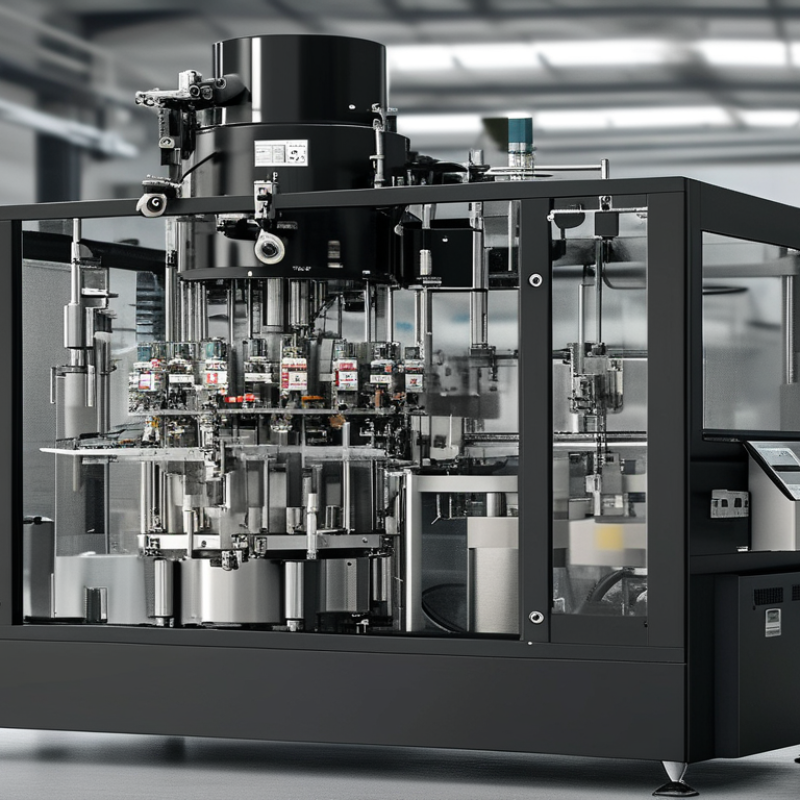
What Are the Top Filling Machine Suppliers Worldwide?

What Defines a Leading Filling Machine Supplier?

A leading filling machine supplier is defined by verified performance, not polished brochures. Grand View Research estimates that the global filling machine market will continue expanding through 2030, with automation and production efficiency driving demand. That growth raises the standard for supplier accountability.

Experienced suppliers begin with the product, container, viscosity, and line speed. They test these variables before proposing a machine. Factory acceptance testing should measure fill accuracy, changeover time, cleaning access, and reject rates. Practical evidence matters. A machine that reaches 120 containers per minute but causes frequent stoppages is not genuinely efficient.

Data should remain visible.

PMMI industry reports identify labor shortages, automation, and flexible production as major packaging machinery priorities. Therefore, a capable supplier should offer recipe control, clear operator interfaces, remote diagnostics, and documented training. Maintenance teams also need accessible spare parts and realistic response times. The European Hygienic Engineering and Design Group’s guidance reinforces hygienic construction, especially around product-contact surfaces, drainage, and cleanability.

Reliability requires more than certifications. Buyers should examine installation records, validation methods, warranty terms, and total cost of ownership. Energy consumption and compressed-air demand deserve measurement during trials. Some suppliers still provide optimistic output figures under ideal conditions. That deserves scrutiny. Independent references and site visits can reveal awkward changeovers, difficult cleaning, or slow technical support. A leading supplier accepts those questions and supplies measurable answers.

Which Regions Host the Main Filling Machine Suppliers?

The main filling machine suppliers are concentrated across Europe, East Asia, North America, and South Asia. Each region has developed different strengths through manufacturing experience and demanding local industries.

Europe remains a major production center, especially in Germany, Italy, France, and the Netherlands. Suppliers there often focus on precise dosing, hygienic construction, and automated control systems. Their equipment commonly serves food, beverage, pharmaceutical, cosmetic, and household product factories. Factory visits often reveal careful stainless-steel welding, guarded moving parts, and detailed testing records. However, European equipment may require higher investment and longer delivery planning.

East Asia has become highly competitive in filling machine production. China, Japan, South Korea, and Taiwan offer solutions ranging from standard liquid fillers to advanced rotary systems. Many manufacturers provide flexible configurations for different container sizes and production speeds. Technical support quality can vary between suppliers, so buyers should inspect documentation, spare-parts access, and commissioning procedures. Price alone is an unreliable measure.

North America hosts experienced suppliers serving large-scale food, beverage, chemical, and personal-care operations. Their systems often emphasize integration with conveyors, sensors, data collection, and factory safety requirements. India and other South Asian markets are also expanding, supported by growing pharmaceutical and packaged-food production. The regional map is not perfectly clear. Some suppliers design systems locally but source components internationally. Buyers should verify manufacturing location, testing responsibility, and after-sales service before signing a purchase agreement.

How Do Suppliers Compare Across Filling Machine Types?

Filling machine suppliers should be compared by application, not by catalog size. A supplier experienced with thin beverages may struggle with thick creams or particulate sauces. For free-flowing liquids, overflow and volumetric fillers often deliver stable output. Piston systems suit viscous products, but their seals need careful maintenance. Powder fillers require dust control, accurate augers, and consistent material flow. Small differences matter.

Rotary equipment can support high throughput, while inline machines often fit smaller factories and changing batches. Aseptic filling demands stronger process validation, hygienic design, and documented cleaning routines. Suppliers should provide test runs using the buyer’s actual container, cap, and product temperature. Ask for measured fill-weight variation, changeover time, air consumption, and reject rates. Numbers reveal more. I would also inspect spare-part availability and technician response time. A low purchase price becomes less attractive when a sensor waits weeks for replacement.

Reliable suppliers explain limitations instead of promising perfect performance. Their manuals should identify wear parts, calibration intervals, and operator training requirements. During acceptance trials, record results across several production speeds, not one ideal setting. This is where comparisons become honest. One weakness remains easy to overlook: a machine may fill accurately yet clean slowly. Not always. That delay can reduce usable capacity. Supplier references, service records, and warranty terms add practical evidence, but they should be checked independently. A capable machine still needs an operator who can recognize drift before rejected containers fill a pallet.

What Are the Top Filling Machine Suppliers Worldwide? - How Do Suppliers Compare Across Filling Machine Types?

The figures below are representative industry ranges for commercially available equipment. Actual performance depends on container format, product properties, filling volume, automation level, and validation requirements.
Filling Machine Type Filling Principle Typical Products Indicative Fill-Volume Range Indicative Throughput Typical Accuracy Viscosity Suitability Sanitary and Cleaning Profile Common Supplier Capabilities to Compare Typical Applications
Overflow Filler Product is filled to a consistent visual level, with excess liquid returned to the supply tank. Water-like liquids Shampoo Detergent Cosmetic liquids Approximately 50 ml to 5 L About 20–120 containers per minute Generally within ±0.5–1.0% under stable conditions Low to medium viscosity; best for free-flowing liquids Good visual-level consistency; sanitary design depends on wetted-part materials, drainability, and clean-in-place options. Number of filling heads, level-control stability, nozzle-changeover time, foaming management, container-neck compatibility, and integration with capping equipment. Bottled household chemicals, personal-care products, beverages, and liquid cleaners
Piston Filler A piston draws a measured volume into a cylinder and dispenses it into the container. Pastes Creams Sauces Gels Viscous liquids Approximately 10 ml to 20 L About 10–100 containers per minute Typically within ±0.5–1.0%; tighter results require controlled product conditions and calibration. Medium to high viscosity; suitable for products with particulates when the pump and valve are correctly specified Can support hygienic construction, quick-disconnect parts, heated hoppers, and clean-in-place systems; dead-leg reduction is important for food and pharmaceutical use. Piston diameter, number of pistons, servo control, heated product paths, anti-drip valves, particulate size limits, and recipe changeover. Food sauces, cosmetics, pharmaceutical creams, nutraceutical gels, and industrial compounds
Gravity Filler Product flows from an elevated tank into containers using gravity and controlled filling time. Thin liquids Solvents Water-based products Low-foam liquids Approximately 50 ml to 5 L About 10–80 containers per minute Generally within ±1.0–2.0%, depending on viscosity and fill-time control Low viscosity and relatively consistent product flow Simple product path and relatively easy maintenance; hygienic performance depends on tank design, valves, tubing, and drainage. Tank-pressure control, fill-time repeatability, nozzle configuration, product compatibility, and suitability for corrosive or flammable liquids. Household chemicals, automotive fluids, basic food liquids, and selected industrial liquids
Pump Filler A product pump transfers a controlled quantity through a filling nozzle or manifold. Oils Lotions Viscous liquids Products with particulates Approximately 5 ml to 20 L About 10–100 containers per minute Typically within ±0.5–1.0%; accuracy varies by pump technology and product behavior. Low to high viscosity; pump selection is critical Supports hygienic pumps, jacketed lines, recirculation, and clean-in-place configurations; abrasive or shear-sensitive products require specialized components. Pump type, shear level, pulse control, temperature management, dry-run protection, recirculation design, and product-contact material compatibility. Cosmetics, food products, lubricants, chemicals, and pharmaceutical liquids
Net-Weight Filler Load cells measure the actual product mass entering each container. Powders Granules Liquids Free-flowing solids Approximately 50 g to 25 kg or more About 5–60 containers per minute Often within ±0.1–0.5% of target weight, depending on product and scale resolution Suitable for free-flowing solids and liquids; cohesive materials may require agitation or assisted feeding. Can provide accurate batching and reduced giveaway; hygienic design requires accessible scales, sealed load cells, and cleanable product-contact areas. Load-cell resolution, legal-for-trade requirements, bulk and dribble feed control, dust containment, automatic tare, and data logging. Food ingredients, agricultural products, chemicals, pet food, and industrial powders
Auger Filler A rotating auger meters powder or fine product by screw displacement and controlled revolutions. Flour Spices Powdered supplements Pharmaceutical powders Approximately 1 g to 5 kg About 15–100 containers per minute Commonly within ±1.0–2.0%; product density and flowability strongly affect results. Best for dry, powdery, and moderately cohesive products with controlled feeding Dust control, tool-less disassembly, enclosed product paths, and washdown design are key considerations; explosive-dust environments may require specialized protection. Auger geometry, agitator design, servo dosing, dust extraction, container indexing, recipe storage, and cleanability. Food, pharmaceutical, chemical, nutraceutical, and cosmetic powder packaging
Volumetric Cup Filler Adjustable cups collect a preset volume and discharge it into containers or packages. Rice Pulses Dry snacks Free-flowing granules Approximately 10 g to 5 kg About 20–120 containers per minute Typically within ±1.0–2.0%; bulk density changes can affect mass accuracy. Free-flowing dry products with relatively stable particle size and density Simple and high-speed operation; washable and food-grade designs are available, but product segregation and dust management must be evaluated. Cup adjustment range, change-part requirements, product breakage, hopper agitation, speed control, and integration with vertical or premade-pouch packaging. Dry food, seeds, grains, pet food, hardware parts, and agricultural products
Tubular and Tube Filler Product is dosed into preformed tubes, followed by tube sealing, crimping, or heat sealing. Creams Ointments Toothpaste Gels Approximately 1 ml to 500 ml About 20–120 tubes per minute Typically within ±0.5–1.0%, subject to dosing method and product consistency Low to high viscosity, including some products containing small particles Hygienic execution may include closed hoppers, nitrogen purging, clean-in-place options, and controlled tube sterilization for regulated products. Tube material compatibility, sealing method, coding system, servo dosing, product deaeration, changeover time, and reject inspection. Pharmaceuticals, oral care, cosmetics, personal care, adhesives, and food pastes
Aseptic Filler Sterilized product and packaging are brought together in a controlled sterile environment. Shelf-stable beverages Dairy products Liquid foods Pharmaceutical liquids Approximately 50 ml to 1,500 ml, depending on package format About 20–600 packages per minute, depending on format and system design Usually within ±0.5–1.0%, with validated control systems Primarily pumpable liquids; particulate products require specialized aseptic systems Requires validated sterilization, hygienic zoning, sterile-air management, controlled surfaces, and documented cleaning and qualification procedures. Sterilization method, microbiological validation, environmental monitoring, package compatibility, changeover qualification, and regulatory documentation. Long-life beverages, liquid nutrition, dairy, sauces, and selected pharmaceutical products
How to compare suppliers: Evaluate suppliers by application experience, demonstrated filling accuracy, validated speed at your target product and container format, hygienic design, automation compatibility, changeover time, spare-parts availability, service coverage, documentation quality, and total cost of ownership rather than by machine speed alone.

What Industries and Products Do These Suppliers Serve?

Top filling machine suppliers worldwide serve a wide range of industries, from food and beverages to cosmetics and pharmaceuticals. Their equipment handles water, juice, sauces, dairy products, creams, gels, powders, and viscous oils. A beverage plant may need high-speed liquid fillers for glass bottles or plastic containers. A small sauce producer may prefer a piston filler that manages thick textures with less product waste.

Pharmaceutical manufacturers often require precise filling for syrups, disinfectants, and other regulated products. These machines usually include controlled dosing, cleanable surfaces, and traceable production settings. Cosmetic factories use filling systems for shampoo, lotion, foundation, and liquid soap. Chemical producers may need corrosion-resistant equipment for detergents, lubricants, and approved industrial fluids. Packaging formats also vary widely, including jars, tubes, pouches, cartridges, and small vials.

In factory evaluations, the best supplier is rarely the one with the fastest machine alone. Accuracy, cleaning time, container flexibility, and operator training matter just as much. A supplier should understand the product’s viscosity, temperature, foaming behavior, and sensitivity to air exposure. Small details matter. A narrow nozzle can reduce dripping, while a poorly matched pump may damage a delicate cream. I have seen equipment perform well during testing but struggle after a product formula changed. That limitation deserves honest discussion. Some suppliers offer broad solutions, yet specialized products may still require custom adjustments, repeated trials, and patient maintenance planning.

How Should Buyers Evaluate Global Filling Machine Suppliers?

Choosing a global filling machine supplier requires more than comparing purchase prices. PMMI’s 2024 State of the Industry report valued U.S. packaging machinery shipments at approximately $11.3 billion in 2023. This growth reflects stronger investment in automation, labor efficiency, and production reliability. Buyers should therefore examine a supplier’s engineering depth, not just its catalog.

Ask for performance evidence under conditions similar to your plant. A supplier should demonstrate target speed, fill accuracy, product temperature, container shape, and cleaning requirements. Request a factory acceptance test using your actual 500-milliliter containers and product viscosity. Review changeover time, rejection rates, and maintenance access. A polished demonstration may hide difficult adjustments. The cheapest quote can be expensive.

Grand View Research identifies automation, flexible production, and hygienic design as important drivers in the filling equipment market. Buyers should confirm the control system’s data logging, remote-support process, spare-parts availability, and technician response times. Examine references from facilities with comparable output and operating hours. A supplier promising 98% uptime should provide measurable records, not optimistic language. I would also question projected payback periods. They often exclude training, tooling, utilities, and unplanned downtime. A reliable evaluation combines documented test results, lifecycle costs, operator feedback, and clear service obligations. Supplier quality audits deserve attention too, because inconsistent fabrication can appear only after installation.