How to Utilize Automated Packaging for Efficient Supply Chains?
In today's fast-paced logistics landscape, efficient supply chains are crucial for competitiveness. Automated packaging is emerging as a key component in enhancing operational efficiency. According to a report by Smithers Pira, the global automated packaging market is projected to reach $70 billion by 2024. Companies embracing automated packaging can achieve productivity increases of up to 30%, leading to significant cost savings.
Investments in automated packaging not only streamline processes but also improve accuracy and reduce labor costs. For instance, automation minimizes human error, which can account for up to 70% of supply chain inefficiencies. Despite these benefits, some firms remain hesitant. They struggle with implementation costs and workforce training. The fear of technology replacing jobs often overshadows the potential gains.
To navigate these challenges, businesses must prioritize gradual integration. The focus should be on finding solutions that complement human roles rather than replace them. In an industry where optimizing every penny counts, embracing automated packaging can be a game-changer. However, companies must approach automation with a well-thought-out strategy.
Benefits of Automated Packaging in Supply Chains
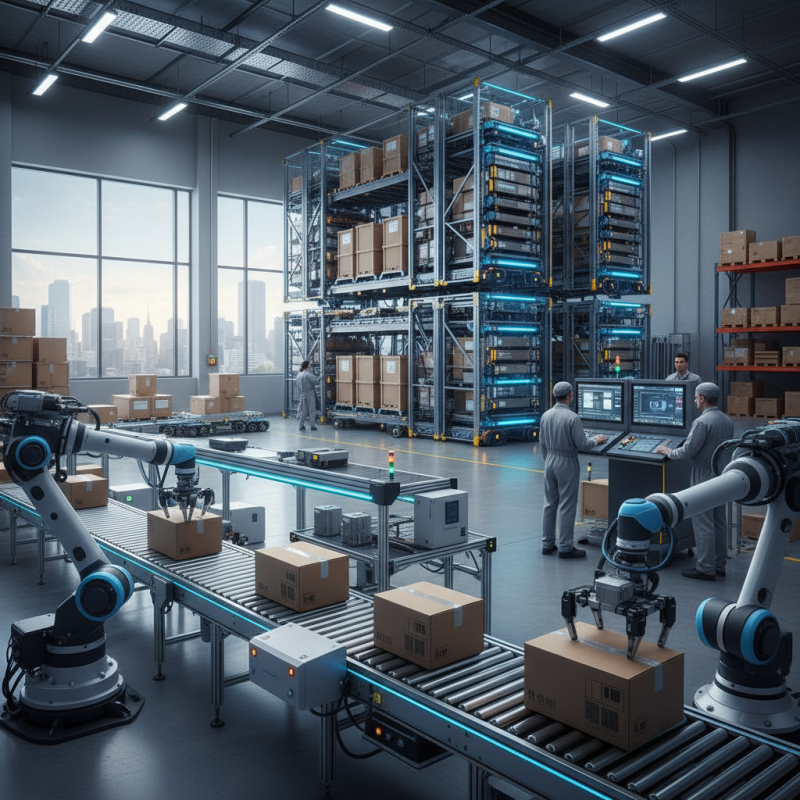
Automated packaging has transformed the supply chain landscape significantly. According to a report by Smithers Pira, automation in packaging can reduce costs by up to 30%. This efficiency is crucial as global supply chains face increasing pressure to reduce operational expenses while meeting customer demands.
One key benefit of automated packaging is the increase in speed. With machines handling repetitive tasks, companies can fulfill orders faster. A study by the International Society for Automation (ISA) reveals that automated systems can operate up to 24 hours a day. However, the initial investment can be substantial. Smaller companies may struggle to justify the cost. Transitioning also requires training, which can disrupt operations temporarily.
In addition to speed, automated packaging enhances accuracy. Error rates drop significantly, leading to fewer returns and improved customer satisfaction. Statistical data indicates that companies using automated packaging systems report a reduction of packaging errors by as much as 70%. Yet, reliance on technology poses risks. Equipment failures can halt production, emphasizing the importance of having backup plans. The effectiveness of automated solutions lies not only in their capabilities but also in how businesses adapt to their limitations.
Benefits of Automated Packaging in Supply Chains
Key Technologies Driving Automated Packaging Solutions
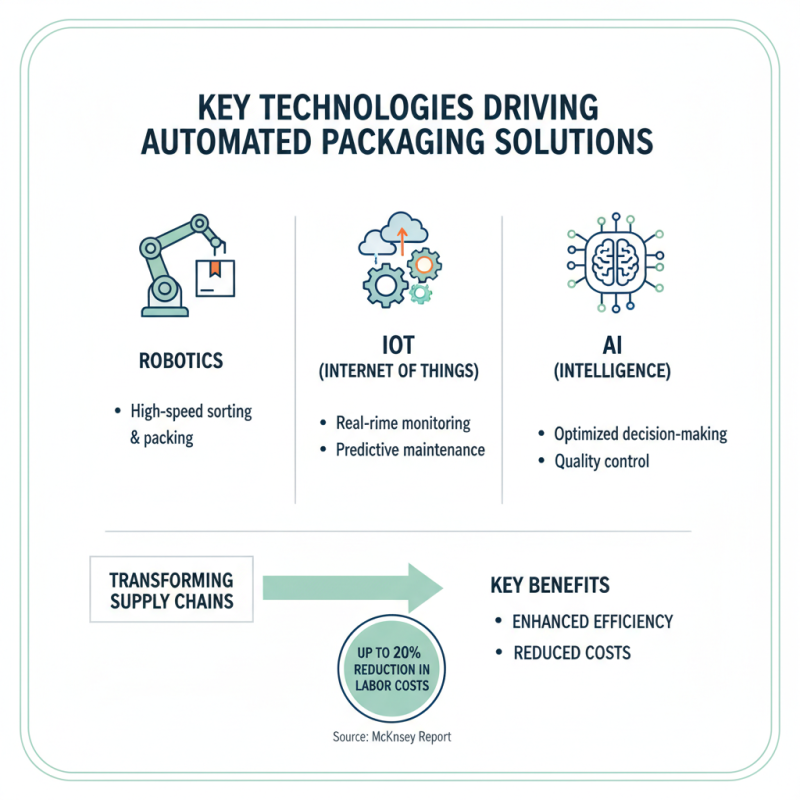
Automated packaging solutions are transforming supply chains by enhancing efficiency and reducing costs. Key technologies are driving this change, such as robotics, IoT, and AI. According to a report by McKinsey, automation could reduce packaging labor costs by up to 20%. This significant reduction allows companies to invest more in innovation and improve their competitive edge.
One of the essential technologies is robotics. Automated systems can handle packaging tasks faster than humans. They increase productivity and lead to fewer errors. The use of IoT devices enables real-time monitoring. Companies can track inventory levels and packaging processes, optimizing supply chain efficiency. In fact, a study by Deloitte highlighted that businesses leveraging IoT see a 30% improvement in operational performance.
Tips: Start small with automation. Evaluate your current packaging processes. Identify bottlenecks that automation can address. Test new technologies on a pilot basis before a full rollout. Remember, automated systems can fail if not properly calibrated. Regularly review your setup to enhance performance further.
Steps to Implement Automated Packaging Systems
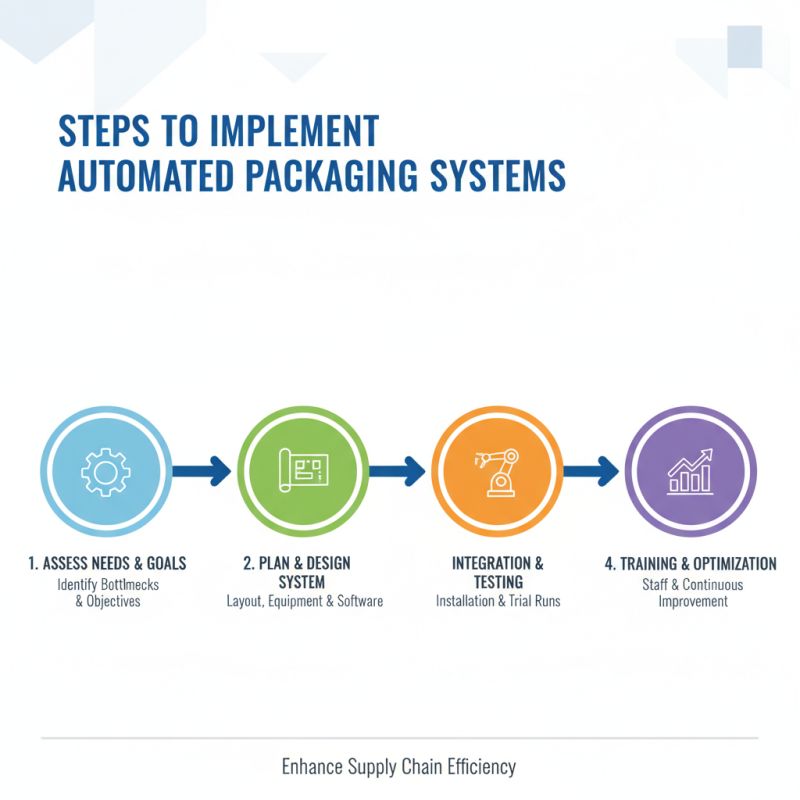
Implementing automated packaging systems can greatly enhance supply chain efficiency. This transition, however, requires careful planning and execution. Here are a few crucial steps to get started.
Evaluate current packaging processes. Identify bottlenecks and inefficiencies. Understand your production volume and packaging needs. This analysis sets the foundation for a successful automation strategy. You may find that not all packaging tasks require automation. Prioritize aspects that will deliver the best return on investment.
“Choose the right technology.” Automation comes in various forms. Research options like robotic arms, conveyor systems, or automated sealers. Ensure your choice aligns with your products. Also, consider scalability for future growth. Adopting a flexible system can save costs down the line.
Lastly, train your team. Change can lead to resistance. Address concerns and provide ongoing training. This ensures everyone is comfortable with new systems. Encourage feedback and adjust processes as needed. It’s essential to foster a collaborative environment.
In your journey, remember that mistakes can happen. Track your progress and adapt as necessary. Regularly review your systems to learn from both successes and setbacks. This approach will help create a more efficient and resilient supply chain over time.
Challenges in Adopting Automated Packaging
Adopting automated packaging in supply chains presents several challenges. One significant issue is the integration of technology. Many facilities may lack the necessary infrastructure. Upgrading systems can be costly and time-consuming. Workers may also need retraining, which can disrupt normal operations.
Another challenge is the variability of packaging materials. Different products require different types of packaging. Finding the right automated solution that fits diverse needs is often complex. This complexity can lead to inefficiencies if not managed properly. Moreover, maintaining quality control in automated systems requires careful attention. Even small deviations can result in product damage.
Companies often face resistance from employees. Workers may fear job loss due to automation. Addressing these concerns is crucial for successful implementation. Communication is key. Involving staff in the transition can help ease fears and improve acceptance. Despite these challenges, many companies see the long-term benefits of automated packaging. The potential for efficiency gains remains high.
Future Trends in Automated Packaging for Supply Chains
The future of automated packaging in supply chains is vibrant and transformative. Industry insights show that automated packaging can enhance efficiency by up to 30%. This automation helps reduce labor costs and minimizes human error. According to recent data, nearly 70% of businesses are investing in automated solutions. These systems optimize packaging speed and accuracy, critical aspects in today's fast-paced market.
Emerging trends highlight the integration of artificial intelligence and machine learning. These technologies enable predictive analytics, which assists in demand forecasting. Reports suggest that AI-powered systems could increase overall supply chain visibility by as much as 40%. However, businesses must reflect on potential implementation challenges. Transitioning to automated systems requires significant investment and training. Moreover, not all products fit seamlessly into automated processes.
Another trend is sustainability in packaging materials. Consumers demand eco-friendly options, pushing companies to innovate. It is estimated that sustainable practices could reduce waste by 25%. Still, achieving these goals can be complex. Companies need to balance eco-friendly solutions with cost-effectiveness. The future of automated packaging is bright, yet the path is rife with considerations that require careful navigation.
How to Utilize Automated Packaging for Efficient Supply Chains? - Future Trends in Automated Packaging for Supply Chains
| Dimension |
Current Trends |
Future Projections |
Impact on Supply Chains |
| Robotic Automation |
Increasing use of robots for packing |
Integration with AI for smarter operations |
Reduced labor costs and increased efficiency |
| Sustainability |
Rise in eco-friendly packaging materials |
Widespread adoption of biodegradable options |
Enhanced brand image and customer loyalty |
| Data Analytics |
Utilization of data for packing optimization |
Predictive analytics for demand forecasting |
Improved inventory management and reduced waste |
| Customization |
Trend towards personalized packaging solutions |
Greater variety in packaging styles and sizes |
Increased customer satisfaction and higher sales |
| Automation Integration |
Convergence of logistics and packaging systems |
Fully automated supply chain processes |
Streamlined operations and enhanced productivity |