Airless Packaging is a dispensing system designed to protect products from unnecessary air exposure. Unlike traditional pumps, it usually does not rely on a long dip tube. Instead, a movable piston or flexible inner pouch pushes the formula upward. Each pump creates controlled pressure, helping deliver a consistent amount with less product left behind.
No dip tube. That matters.
When the actuator is pressed, the container’s internal mechanism moves the product toward the opening. Air does not need to enter the bottle to replace the used formula. This design can reduce oxidation, contamination risks, and changes in texture, especially for creams, serums, lotions, and other sensitive formulations. However, performance depends on the product’s viscosity, the pump design, and accurate manufacturing tolerances.
From a packaging development perspective, airless systems offer practical advantages. They can support cleaner application, improved dosage control, and efficient use of formulas near the container base. Consumers may also find them more hygienic because they touch less product directly. Still, airless packaging is not automatically sterile, endlessly recyclable, or suitable for every formula. Those assumptions require testing.
It is not a perfect solution.
Material combinations, pumps, and inner components can make recycling more difficult. Product compatibility testing remains essential. A reliable evaluation should examine leakage, dispensing consistency, shelf life, transport stress, and user handling. The real value of Airless Packaging comes from matching the system to the formula, not from treating the technology as a universal answer.
Airless packaging is a dispensing system designed to reduce a product’s contact with air. Unlike a traditional jar, it does not require users to scoop the formula with their fingers. A sealed container holds the product above a movable piston or inside a flexible pouch. When the pump is pressed, the mechanism creates controlled pressure. The product moves through a narrow opening, while air stays outside.
Its main purpose is to protect sensitive formulas from oxidation, moisture, and repeated handling. This can help maintain texture, color, and performance during daily use. It also supports cleaner dispensing. A measured amount appears with each pump, which may reduce waste and accidental overuse. The package often leaves less product trapped at the bottom.
Airless does not mean completely risk-free. The formula, closure, and manufacturing quality still affect shelf life. In practical use, a pump may need several presses before dispensing begins. That first experience can feel inconvenient. Some thick formulas may also move slowly in cold rooms. Recycling can be difficult when several materials are combined, so packaging design deserves closer evaluation. Airless technology is useful, but it should match the formula rather than serve as a fashionable feature.
Airless packaging stores product in a sealed container without a traditional dip tube. Its main parts include the outer bottle, an internal piston, a pump actuator, and a sealing system. The bottle protects the formula from light, handling, and unnecessary air exposure. The piston sits beneath the product and moves upward as the container empties.
The actuator controls dispensing. When pressed, it opens a small pathway inside the pump head. Pressure then pushes the product through the nozzle. A flexible gasket or valve helps prevent leakage after each use. Most systems use a one-way mechanism, so air cannot easily return to the product chamber. There is no dip tube. That detail matters because thick creams may not flow reliably through narrow tubes.
The piston rises gradually.
During testing, the first pump may need several presses to remove trapped air. This is normal, but it can feel like a design failure. In reality, filling conditions and assembly tolerance often affect the result. If the piston seals too tightly, dispensing may feel stiff. If the seal is loose, air can enter and leave residue behind. Careful inspection should check the piston edge, actuator alignment, valve response, and nozzle cleanliness. Some packaging can dispense nearly all its contents, although “complete evacuation” is not guaranteed. Product thickness, storage temperature, and filling accuracy still influence performance.
Airless packaging uses pressure, not a traditional dip tube, to move creams, serums, and lotions. Inside the container, a piston or flexible pouch sits beneath the product. When the user presses the actuator, the pump opens a small valve. Air pressure then pushes the piston upward and delivers a controlled dose through the nozzle. The product never needs to travel through a long tube.
The system is mechanical, but not effortless. After each press, the piston rises slightly and reduces the internal space. A one-way valve helps prevent backflow and limits air entering the formula. This design can support cleaner dispensing and reduce oxidation-sensitive exposure. Grand View Research estimates that the global airless packaging market could reach about USD 8 billion by 2030, with skincare as a major application. Smithers’ 2024 packaging outlook also identifies product protection and material efficiency as continuing industry priorities. Market forecasts differ, though. Packaging definitions and regional sales data are not always consistent.
Tips: Press the actuator slowly and keep the container upright. Rapid pumping may create uneven doses. Before use, prime the pump with several presses. If nothing comes out, gently tap the base and try again. Do not insert a pin into the nozzle. It may damage the valve. Recyclability also deserves a closer look, because mixed plastics and internal components can complicate recycling. Airless does not automatically mean sustainable.
| Data Dimension | Typical Data or Specification | How It Works or Why It Matters | Practical Consideration |
|---|---|---|---|
| Basic Definition | A non-pressurized dispensing package that uses a movable piston or flexible inner pouch | The internal mechanism reduces the product volume as the contents are dispensed, limiting the amount of replacement air entering the container. | It is different from an aerosol package, which normally uses a propellant to create pressure. |
| Main Dispensing Components | Actuator, pump chamber, inlet and outlet valves, product reservoir, piston or pouch, and closure | Each component controls product movement from the reservoir through the pump and out of the dispensing orifice. | Component compatibility should be evaluated with the formula, viscosity, closure design, and expected number of uses. |
| Product Movement | Upward movement of a piston or contraction of an inner pouch | The changing internal volume creates the pressure difference needed to move the product toward the pump chamber. | The package should be tested in its intended orientation and throughout the product life cycle. |
| Pump Actuation | One downward press on the actuator per dispensing cycle | Pressing the actuator opens the outlet path and pushes a measured quantity of product through the dispensing orifice. | The force and travel required depend on pump geometry, spring design, product viscosity, and dose size. |
| Typical Dose Control | A metered dose delivered per full or partial pump stroke | The pump chamber volume and actuator travel determine how much product is released during each actuation. | Actual dose accuracy varies with formula properties, temperature, fill level, actuation speed, and user technique. |
| Common Pack Sizes | Small, medium, and large formats commonly used for personal-care, cosmetic, pharmaceutical, and household products | The same airless operating principle can be adapted to different reservoir capacities and dispensing formats. | Available capacities are package-specific; the selected size should match the intended dose, usage period, and product density. |
| Suitable Product Viscosity | Best suited to low-, medium-, and many high-viscosity formulas when the pump is correctly designed | The pump moves the formula mechanically rather than relying on gravity alone. | Very thick, stringy, abrasive, or particle-containing formulas may require a specialized pump and wider flow path. |
| Air Exposure | Low exposure compared with conventional open-neck or dip-tube containers | The product reservoir is designed to collapse or empty through piston movement, reducing the need for incoming replacement air. | “Airless” does not mean that every component is permanently free of air; the formula and package must be evaluated together. |
| Dip Tube | Usually absent from piston-based airless systems | The piston or pouch presents the product to the pump without requiring a long tube extending to the bottom of the container. | Different architectures may use different internal pathways, so the absence of a dip tube is not universal for every airless design. |
| Priming Requirement | The pump may require several initial actuations before the first dose is dispensed | Initial pumping can remove trapped air from the pump pathway and bring the formula into the dispensing chamber. | Priming behavior should be stated in user instructions when it is noticeable or necessary. |
| Residual Product | Designed to provide high product evacuation, but not necessarily zero residue | The moving piston or collapsing pouch follows the product as the reservoir empties. | Residual quantity depends on formula rheology, package geometry, valve design, and the dispensing orientation. |
| Product Protection | Reduced exposure to oxygen, moisture exchange, external contamination, and repeated open-container contact | A closed dispensing pathway can help limit environmental contact during normal use. | Packaging protection does not replace appropriate preservation, compatibility testing, or stability testing. |
| Preservative Requirements | Formula-dependent; airless packaging does not automatically eliminate preservatives | The package can reduce some contamination opportunities, but it cannot control all contamination introduced during filling, storage, or use. | Microbiological challenge testing and stability studies remain important for water-containing formulas. |
| Orientation Performance | Often performs well in upright, inverted, or angled positions, depending on the design | The piston or pouch helps maintain product contact with the pump pathway even when gravity changes. | Orientation claims should be confirmed through package-performance testing with the actual formula. |
| Refillability | May be single-use or refillable, depending on the package architecture | Some systems are sealed after filling, while others are designed with replaceable inner cartridges or reservoirs. | Refill systems require validated cleaning, closure integrity, compatibility, and user-safety procedures. |
| Material Options | Commonly uses combinations of plastics, elastomers, metals, glass, or paper-based outer components | Different materials provide structural support, sealing, product contact, decoration, and barrier performance. | Material selection should consider chemical compatibility, extractables and leachables, recycling infrastructure, and regulatory requirements. |
| Dose Consistency Factors | Pump calibration, actuator stroke, product viscosity, temperature, and user pressure | These factors influence the volume and shape of the dose delivered during each pump cycle. | Dose testing should cover beginning-, middle-, and end-of-life conditions rather than only a full package. |
| End-of-Life Behavior | The piston reaches the upper region of the container or the pouch becomes substantially collapsed | This indicates that most of the usable product has moved through the pump pathway. | A small amount may remain in the pump chamber, outlet, or container walls. |
| Key Performance Tests | Leak testing, actuation-force testing, dose testing, priming testing, evacuation testing, and compatibility testing | These tests assess whether the package dispenses reliably and protects the formula under expected conditions. | Testing should include temperature cycling, transport simulation, storage, drop or impact testing, and aging where appropriate. |
| Primary Advantages | Controlled dispensing, reduced direct contact, improved evacuation, and reduced air exchange | The package can improve convenience and help maintain a more controlled product-use environment. | Benefits depend on correct package selection, filling quality, formula compatibility, and user behavior. |
| Primary Limitations | More complex construction, possible priming, formula-specific compatibility, and recycling challenges | The pump and internal moving parts require more engineering than a simple jar, bottle, or tube. | A complete life-cycle assessment should consider material mix, refill options, collection systems, and actual product evacuation. |
| Note: Performance values and compatibility results are design- and formula-specific. The figures and descriptions above represent general airless-packaging principles and should be verified through testing of the final package and product combination. | |||
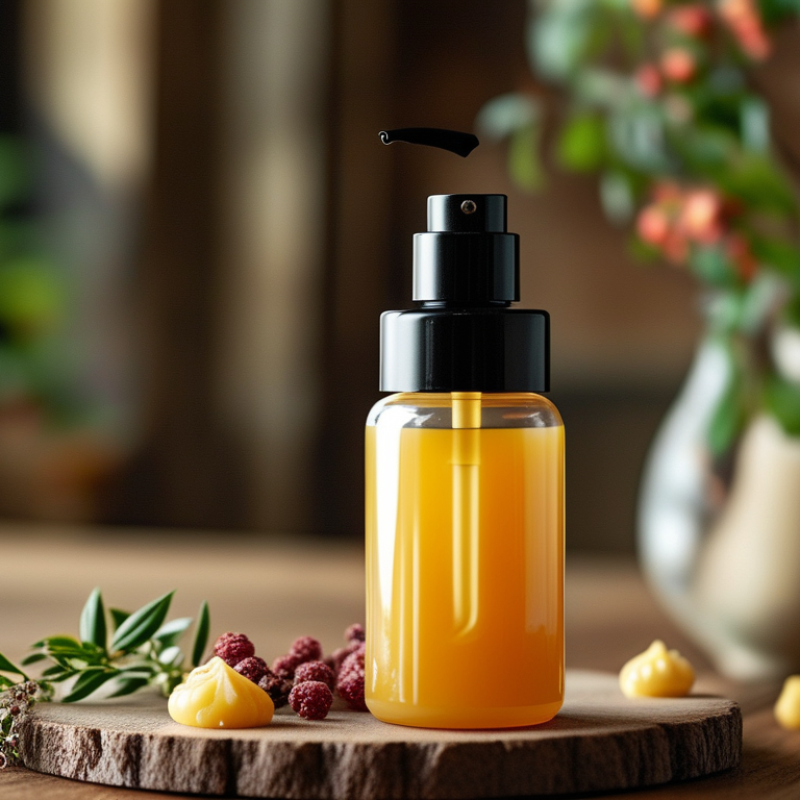
Airless packaging uses a piston or flexible inner pouch to move product upward. The container does not rely on a dip tube or repeated air intake. When users press the pump, the base rises and pushes the formula toward the nozzle. This design limits contact with oxygen, fingers, and airborne particles. It can also dispense controlled amounts, helping reduce waste and inconsistent application.
Less air exposure can slow oxidation, drying, color changes, and scent loss. This matters for creams, serums, lotions, and other sensitive formulas. The closed system also helps protect the remaining product after many uses. In practical product evaluations, cleaner dispensing often supports better user hygiene and more predictable performance. However, airless packaging is not a perfect shield. Formula stability still depends on ingredients, preservatives, storage temperature, and manufacturing controls. Some thick products may dispense unevenly near the end. That detail deserves testing.
Airless packaging stores product in a sealed container with a movable inner piston. Pressing the pump creates pressure beneath the product. The piston rises and pushes out a measured amount. Little air enters the container during use. This design commonly supports creams, lotions, serums, liquid makeup, and other sensitive formulas. It can reduce oxidation, drying, and contamination from repeated finger contact. The package also helps deliver thicker products with less mess.
However, airless packaging is not a perfect solution. It does not sterilize the formula. Poor filling or weak seals can still cause problems. Some formulas may clog the pump, especially when they contain particles or become too thick in cold rooms. A small amount may remain inside after the pump stops working. Users cannot easily see the remaining product, which can create waste. The pump may also need several presses before dispensing begins. Recycling can be difficult because the container often combines several materials. These limitations deserve more attention during product testing.
Tips: Test the package with the actual formula, not water alone. Check performance after temperature changes and repeated pumping. Keep the nozzle clean and avoid piercing the container. If the pump stops, do not force it immediately. Tap the base gently, then test again. A transparent outer layer can improve product visibility, although it may reduce light protection.
A&B has become the leader in fresh packing and cleaning equipment for fruits and vegetables worldwide. We have achieved this by relentlessly working to produce new and innovative ideas, along with the best customer service on Earth combined with hard working, dedicated, loyal employees and the latest industrial manufacturing techniques. We are now proud to say that we manufacture The Fulcrum Fresh Harvester, this is a one of a kind Berry Harvester that was specifically designed to handle fresh pick blueberries.
732 W. Saint Joseph Street
Lawrence, MI 49064
Phone: 269-539-4700 Fax: 269-539-4705
sale@industrialpackagingmachines.com