7 Best Case Packer Machine Options for Global Buyers

Choosing a case packer machine is not simply a matter of comparing prices, speeds, or glossy brochures. Global buyers must examine carton dimensions, product fragility, packing patterns, labor availability, factory space, and after-sales support. A machine that performs beautifully with rigid bottles may struggle with flexible pouches. Small details matter, including changeover handles, sensor access, guarding, and cleaning time.

Packaging automation specialist Jorge Izquierdo of PMMI expresses this principle clearly: “The right technology begins with the application.” His observation is especially important when evaluating equipment across different markets. Local power standards, operator training, spare-parts access, and packaging materials can change the real cost of ownership. A fast machine is not always the best investment.

This guide reviews seven case packer machine options for global buyers. Each option is considered through practical criteria, including loading method, production capacity, flexibility, footprint, maintenance demands, and integration potential. Some machines suit high-volume beverage lines. Others are better for mixed products, food cartons, or frequent format changes. None is perfect. That matters.

A buyer may focus on hourly output and overlook ten minutes of difficult adjustment every shift. Another may select a compact machine without checking future production plans. These mistakes are common, but avoidable. The strongest choice connects reliable automation with the actual product, people, and operating environment. This comparison aims to make that decision clearer, more realistic, and easier to defend internally.
7 Best Case Packer Machine Options for Global Buyers

What Is a Case Packer Machine and How Does It Work?

7 Best Case Packer Machine Options for Global Buyers

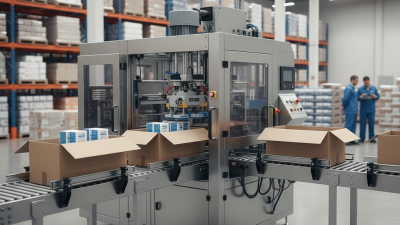
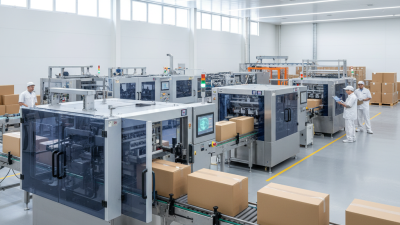
A case packer machine automatically groups products and loads them into shipping cases. It may form cartons, insert products, close flaps, and apply adhesive or tape. The process starts with product infeed. Sensors confirm spacing and orientation. A robotic arm, pick-and-place unit, or mechanical loader then fills each case. A programmable logic controller coordinates timing, while servo drives adjust movement accurately. The machine finally transfers sealed cases to palletizing or conveying equipment.

It sounds simple. It is not always simple.

PMMI’s 2023 U.S. Packaging Machinery Shipments Study reported packaging machinery shipments of approximately 10.2 billion dollars in 2022, an 8.3% increase from 2021.

The International Federation of Robotics recorded 553,052 industrial robot installations worldwide in 2022.

These figures show why automated case packing attracts global buyers, especially where labor availability affects production stability. Common options include intermittent-motion, continuous-motion, wraparound, top-load, and robotic case packers. Selection depends on product shape, case style, required speed, and available floor space.

A practical evaluation should include a real product trial. Small packaging differences can cause jams, crushed cartons, or uneven loading. Check changeover time with actual case dimensions, not only supplier drawings. Confirm electrical standards, guarding requirements, spare-part access, and operator training for the target country.

A high-speed machine may underperform if cleaning takes too long. That is an easy mistake. PMMI’s industry research also emphasizes labor challenges and automation investment, but automation still needs skilled oversight. The best specification may be slightly slower, easier to adjust, and more reliable during everyday production.

Key Case Packer Machine Types for Different Packaging Needs

7 Best Case Packer Machine Options for Global Buyers

Case packer selection should match the product, case style, and production rhythm. Wrap-around packers suit cartons, cans, and bottles needing tight corrugated protection. Vertical drop packers handle durable products efficiently, especially when products can fall safely into open cases. Top-load packers place fragile goods from above, reducing impact during packing.

Side-load machines work well with bags, trays, and retail cartons. Robotic pick-and-place packers offer flexible handling for mixed sizes and changing product patterns. Intermittent-motion packers provide controlled movement for moderate production lines and frequent changeovers. Continuous-motion packers support high output, but they demand accurate product spacing and careful synchronization.

In plant evaluations, I check case dimensions, flap sealing, product weight, and cleaning access. A machine may run fast in a test area, then struggle with dusty packaging or uneven cartons. That detail matters. Servo-driven systems can improve positioning, while vision sensors help detect missing or misaligned products. Operators also need clear controls and safe access points.

Global buyers should review voltage requirements, spare-part availability, language support, and local technical service. Stainless steel construction can benefit humid or washdown environments. Energy use deserves attention too. A cheaper machine may create higher costs through long changeovers, frequent jams, or difficult maintenance. No option is perfect. Careful trials with real products often reveal weaknesses that brochures do not.

Seven Leading Case Packer Options for Global Buyers

Seven Leading Case Packer Options for Global Buyers

Global buyers need more than a fast carton packing machine. They need stable performance across products, operators, and climates. The seven leading case packer options include intermittent-motion, continuous-motion, wraparound, top-load, side-load, robotic, and compact systems. Each design solves a different production problem.

Intermittent-motion packers suit mixed product sizes and controlled production speeds. Continuous-motion machines support high-volume lines with fewer pauses. Wraparound systems use flat blanks and create firm, material-efficient cases.

Top-load packers handle delicate products gently, while side-load systems fit restricted floor layouts. Robotic packers offer flexible placement and quick changeovers. Compact packers help smaller facilities protect valuable floor space.

A packaging engineer should compare speed, case dimensions, sealing quality, and operator access. Stainless steel frames matter in humid rooms. Servo controls can improve repeatability, but they may increase service complexity.

Ask suppliers for test runs using real products and actual cartons. Measure misfeeds, glue patterns, cycle times, and recovery after a jam. Check documentation in the local working language. Train maintenance staff before installation.

No machine is perfect. A faster packer may create more waste during frequent changeovers. A robotic system may need stronger technical support than expected. These trade-offs deserve honest review. Buyers should also examine spare-part availability, remote diagnostics, safety guarding, and energy consumption before signing a purchase agreement.

How to Compare Speed, Compatibility, and Automation Features

Choosing among seven case packer options requires more than comparing advertised cases per minute. A machine rated at 30 cases per minute may slow to 18 when cartons vary, glue needs adjustment, or operators change formats. PMMI’s 2023 State of the Industry report valued U.S. packaging machinery shipments at approximately $10.2 billion in 2022. That scale reflects rising investment, but not every buyer needs maximum speed.

Start with real production evidence. Record product dimensions, case styles, carton board grades, sealing methods, and hourly stoppages. Compatibility matters. A narrow product range may suit fixed tooling, while mixed formats require servo-driven adjustments and recipe storage. Ask for a factory acceptance test using your actual containers. Video demonstrations can hide difficult transitions. They often do.

Automation should reduce labor pressure without creating a fragile system. The International Federation of Robotics reported 541,302 industrial robots installed worldwide in 2023, showing how quickly automated handling is expanding. Useful features include automatic changeover, vision inspection, fault history, remote diagnostics, and sensors that confirm case presence. However, extra automation increases training and maintenance demands. More is not always better. I would score recovery time as carefully as peak speed. A ten-minute jam can erase an hour of theoretical capacity. No scorecard is perfect. Include spare-part access, operator reach, guarding, software support, and energy use before choosing the final machine.

7 Best Case Packer Machine Options for Global Buyers - How to Compare Speed, Compatibility, and Automation Features
Machine Option Typical Speed Suitable Products Case and Pack Compatibility Automation Features Changeover Typical Operators Best Use Case
Top-Load Robotic Case Packer 10–30 cases/min Bottles, cartons, pouches, trays, jars, and irregular retail packs RSC cases, trays, display cases, and partitioned cases; handles mixed orientations with suitable tooling Robotic picking, vision inspection, servo-controlled movements, recipe storage, and automatic fault monitoring 15–30 minutes with quick-change grippers 1 operator Flexible production lines with multiple SKUs and frequent format changes
Vertical Drop Case Packer 8–25 cases/min Rigid bottles, cans, jars, cartons, and other products that tolerate controlled dropping Regular slotted cases and wraparound cases; best for stable products with consistent dimensions Automatic product counting, servo indexing, case detection, and PLC-based line control 20–40 minutes 1 operator High-volume lines where products can be grouped and loaded from above
Horizontal Wraparound Case Packer 12–35 cases/min Cartons, cans, bottles, multipacks, and products requiring gentle horizontal handling Wraparound blanks and display-ready cases; supports compact and shelf-ready packaging formats Automatic blank feeding, servo timing, hot-melt or adhesive application, and electronic format recipes 20–45 minutes 1–2 operators Retail-ready packaging and high-throughput consumer-goods applications
Side-Load Case Packer 6–20 cases/min Cartons, pouches, flow-wrapped products, sachets, and lightweight packaged goods RSC cases and glued cases; supports single-layer and multi-layer packing patterns Automatic collation, lane control, product presence sensors, and case-closing integration 25–45 minutes 1 operator Products that require controlled horizontal loading and accurate layer formation
Intermittent-Motion Case Packer 5–15 cases/min Fragile cartons, pouches, bottles, jars, and products needing precise positioning RSC, tray, and partitioned cases; suitable for narrow product and case-size ranges Servo-controlled indexing, recipe-based settings, sensor verification, and automatic stop functions 15–30 minutes 1 operator Medium-speed production with careful product placement and reliable pack quality
Continuous-Motion Case Packer 20–60 cases/min Uniform cartons, cans, bottles, and consistently shaped high-speed products Standardized RSC and wraparound cases; requires stable product flow and repeatable dimensions Continuous servo motion, automatic synchronization, high-speed sensors, and line-speed tracking 30–60 minutes 1 operator Large-scale plants prioritizing maximum throughput and long production runs
Semi-Automatic Case Packer 3–10 cases/min Mixed cartons, bags, pouches, bottles, and products with frequent manual inspection RSC and open-top cases; accommodates broader product variation with manual adjustment Powered case forming, assisted loading, basic sensors, manual recipe selection, and safety interlocks 10–20 minutes 1–2 operators Small or medium production volumes, pilot lines, and operations with limited capital budgets

Note: Speed, changeover time, and labor requirements are typical industry ranges. Actual performance depends on product dimensions, case style, packing pattern, material quality, line layout, and the required level of integration.

Buying Factors for Installation, Maintenance, and Worldwide Support

Selecting among the seven best case packer machine options starts with the installation site. Wraparound, top-load, robotic, and side-load systems need different floor space and access points. Measure ceiling height, conveyor direction, case dimensions, and electrical capacity before requesting quotations. A compact machine may fit the line, yet leave no room for safe maintenance. That mistake is common.

Ask suppliers for installation drawings, utility requirements, and commissioning procedures. Experienced technicians should explain changeover steps, sensor positions, and operator training. Remote support is valuable, but it cannot replace every local visit. Check response times, language coverage, spare-parts warehouses, and technician availability across your operating regions. Support must work after the sale.

Maintenance details deserve equal attention. Look for guarded access, clearly labeled components, washable surfaces, and standard bearings or sensors. Request preventive-maintenance intervals and a realistic parts list. A machine that needs special tools can create avoidable downtime. Keep critical spares near the line.

Think beyond purchase price.

During factory acceptance testing, run your actual cases, products, speeds, and weak cartons. Test jams and changeovers too. Performance claims can look impressive with ideal materials. In practice, carton variation may expose problems. I would also document every adjustment, because memory fades between shifts. The best option is not always the fastest machine; it is the one your team can install, maintain, and support reliably worldwide.