How to Choose the Best Bag Packing Machine for Your Needs?
Choosing the right bag packing machine can be a daunting task. Industry expert John Stevens, a senior engineer at PackTech Solutions, once said, “Selecting the perfect machine requires understanding both your products and your process.” This insight captures the essence of making an informed choice.
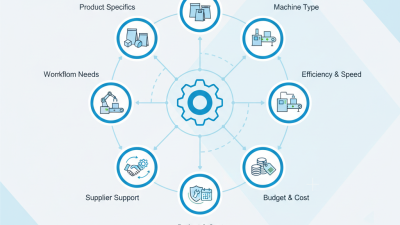
Bag packing machines come in various types and sizes, designed for different applications. You need to consider the products you plan to package. Are they fragile or robust? Understanding these factors can guide you toward the best option. It's crucial to evaluate compatibility with your production line as well. Not every machine suits every environment, and a mismatch can lead to inefficiencies.
Moreover, technology plays a vital role. The latest machines incorporate advanced features like automation and precision controls. However, these features can also complicate operations if not aligned with your needs. Reflecting on your long-term goals is essential. Sometimes, a simpler, more reliable bag packing machine may serve you better. Balancing complexity with usability is key in this decision-making process.
Understanding Different Types of Bag Packing Machines Available Today
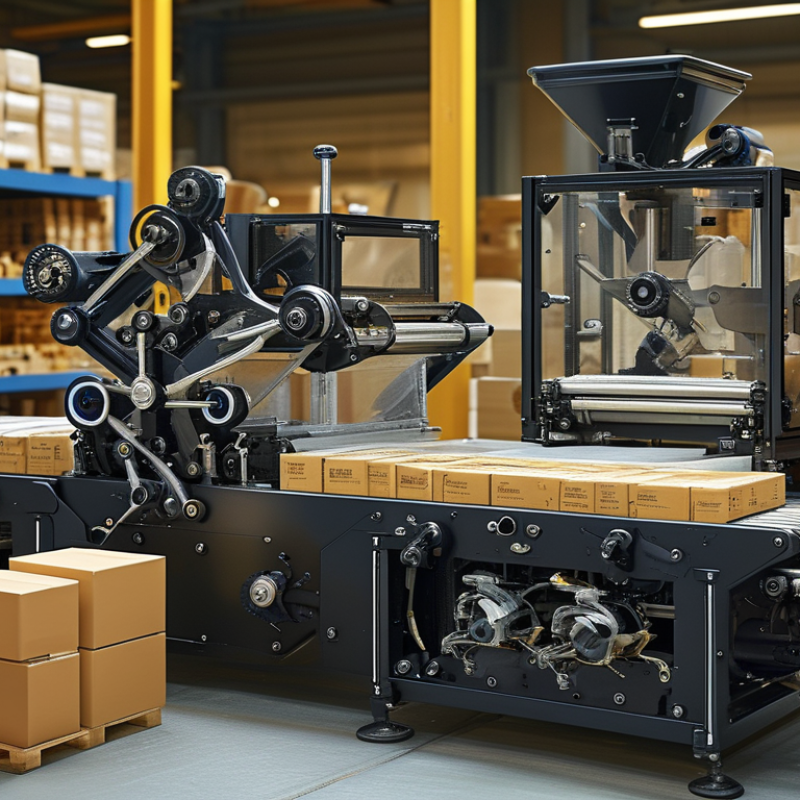
When exploring bag packing machines, it's essential to understand the variety available. These machines often fall into distinct categories based on their design and functionality.
VFFS (Vertical Form Fill Seal) machines are popular for their efficiency and speed. They fill and seal bags from a roll of film and are suitable for various products. Meanwhile, Auger filling machines specialize in powdery items, ensuring precise measurements and minimal waste.
Choosing the right machine requires careful consideration. Assess your product type and production volume. For instance, if you pack liquids, a more specialized machine is necessary.
Think about maintenance too. A complex machine might seem appealing but could lead to costly repairs down the line.
Pay attention to the machine's size and layout as well. The footprint can affect your workflow significantly. Machines that seem perfect in specs might not fit your production area as planned. It’s crucial to have a clear plan for integration with your existing system. Always consider future scalability; your business needs might change rapidly.
Key Features to Consider When Choosing a Bag Packing Machine
When selecting a bag packing machine, several key features must be evaluated. Speed and efficiency are crucial. You want a machine that can handle your production volume without hiccups. If a machine jams frequently, it can cause serious downtime. Be sure to understand your output needs. If you're unsure, run a few tests with different options.
Another important feature is versatility. A good bag packing machine should accommodate various bag sizes and materials. This flexibility allows your operation to adapt to changing demands. Not all machines are designed for this, so check specifications carefully. It can be frustrating to invest in a machine that limits your options.
User-friendliness is often overlooked but vital. An intuitive interface can save time and reduce errors during packing. Operators should feel comfortable using the machine, even if they have little experience. Complex setups can lead to mistakes and lower productivity. Training may be necessary, which adds to your costs. Always consider your team’s skill level when making your choice.
How to Choose the Best Bag Packing Machine for Your Needs? - Key Features to Consider When Choosing a Bag Packing Machine
| Feature |
Description |
Importance Level |
| Packing Speed |
The speed at which the machine can pack bags. |
High |
| Bag Size Compatibility |
Range of bag sizes the machine can handle. |
Medium |
| Ease of Operation |
How user-friendly the machine is for operators. |
High |
| Maintenance Requirements |
Frequency and ease of maintenance tasks. |
Medium |
| Material Compatibility |
Types of materials the machine can use for bags. |
High |
| Automation Level |
Degree of automation in packaging process. |
High |
| Cost |
Initial purchase price and operating costs. |
High |
Evaluating Production Capacity and Efficiency for Your Operations
When choosing a bag packing machine, production capacity and efficiency are key factors. Assess your operational needs first. Understand how many bags you need to pack per hour. This number influences the type of machine you should consider. A machine that handles 300 bags per hour might work well for some businesses, but not for high-demand operations requiring 1,000 bags.
Efficiency also plays a crucial role. Look at how quickly the machine can switch between different bag sizes. Some machines take longer to adjust, which may disrupt workflow. A quick changeover time can enhance productivity. It’s important to find a machine that balances speed without compromising on the accuracy of the packaging process.
Consider the reliability of the machine too. Read reviews and gather insights from industry experts. This can help identify potential shortcomings before purchasing. Maintaining an efficient production line often means investing in high-quality equipment. Reflecting on past experiences can inform your choices, so take the time to analyze what worked and what did not. Balancing your needs with practical performance can lead to informed decisions.
Assessing Budget Constraints and Cost-Effectiveness
When selecting a bag packing machine, budget constraints play a critical role. Industry reports indicate that machine costs can vary widely. Basic models start around $15,000, while advanced systems can exceed $100,000. It's essential to evaluate what features you truly need. Investing in high-quality equipment can yield long-term savings. According to a study by Packaging Strategies, companies see a return on investment (ROI) of up to 125% within three years from automation.
Cost-effectiveness isn't just about upfront expenses. Consider maintenance and operational costs. The average annual maintenance for these machines can add another 10% to 20% to your budget. Downtime for repairs can disrupt operations significantly, leading to loss of revenue. The National Association of Manufacturers reports that unplanned machine downtime can account for up to 20% of a company’s total production costs.
Thinking about your production scale is equally vital. For smaller operations, a semi-automatic machine might suffice. They’re less expensive and easier to maintain. However, as demand increases, a fully automatic system may become necessary to keep up. Balancing initial costs with long-term efficiency requires careful thought. Understanding these factors can guide you towards a more informed, cost-effective decision in your bag packing machine purchase.
Maintenance and Support: What to Look for in a Supplier
When selecting a bag packing machine, maintenance and support from the supplier are crucial aspects to consider. A reliable supplier will provide timely assistance if any issues arise. Look for suppliers that offer comprehensive maintenance packages. Regular maintenance extends machine life and ensures efficiency.
Tips to consider: Check if the supplier has a dedicated support team. Quick response times are vital during emergencies. Evaluate whether they provide training for your staff. Well-trained personnel can minimize downtime and improve productivity.
Another important factor is the availability of spare parts. Long lead times for parts can disrupt your operations. A supplier who keeps commonly used parts in stock will help maintain consistent output. Remember to ask about their warranty coverage. Clear terms and conditions can save you from unexpected costs down the line.