Choosing reliable automatic bagging machine suppliers worldwide requires more than comparing prices or polished websites. Manufacturers serve different production needs, including food, agriculture, chemicals, pet products, and industrial materials. Each application demands careful attention to bag size, filling accuracy, sealing strength, speed, and material compatibility. A machine that performs well in one factory may create costly delays in another.
This guide examines leading suppliers through practical and technical factors. These include engineering experience, machine customization, factory testing, spare-part availability, operator training, and after-sales support. Product demonstrations can reveal useful details, such as stable film tracking, clean seals, and consistent weighing during long production runs. Customer references and documented performance data also provide stronger evidence than marketing claims. However, supplier information is not always complete. That matters. Independent verification remains necessary.
Reliable companies usually explain their control systems, maintenance schedules, safety features, and installation requirements clearly. They should also identify realistic output rates instead of promising maximum speeds without context. A careful buyer will review samples, request a test run, and confirm performance using actual products and packaging materials. Small details often decide success. A loose seal, difficult adjustment, or delayed replacement part can affect an entire shift.
The selected suppliers should demonstrate technical competence, transparent communication, and consistent quality control. Regional service coverage may also reduce downtime and simplify training. This overview aims to support informed comparison, while recognizing that no supplier fits every operation perfectly.ಿಯನ್
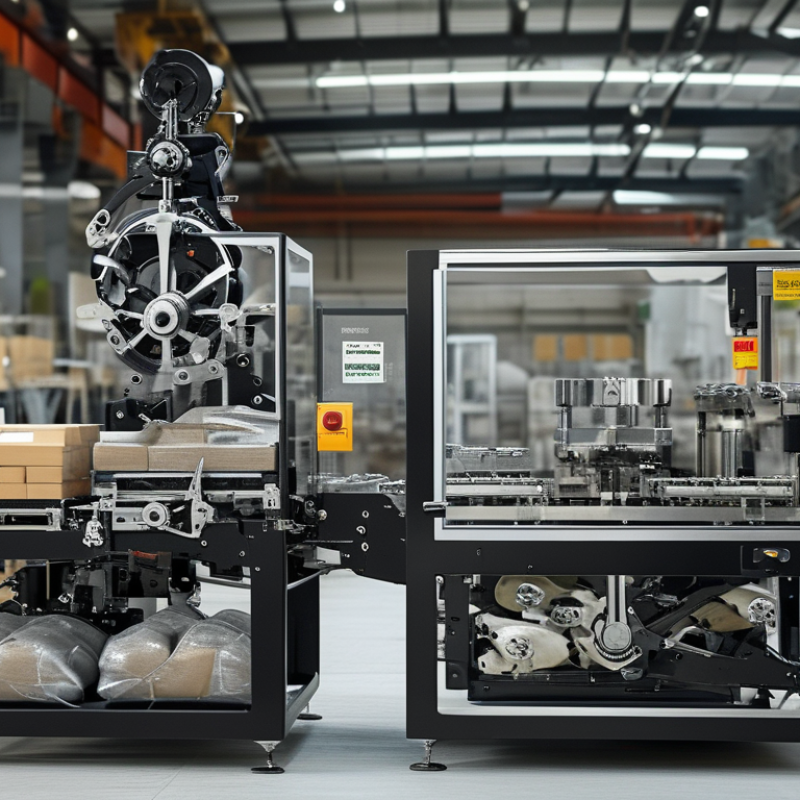
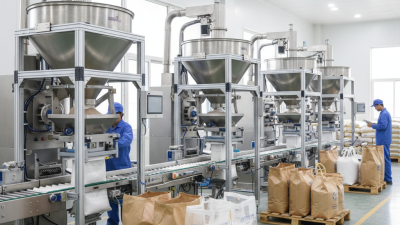
Automatic bagging machines are industrial systems that fill and close preformed bags with limited manual handling. They are used for grains, flour, animal feed, seeds, powders, and other approved products. A typical machine combines a product hopper, filling mechanism, bag holder, weighing sensor, and sealing unit. Some models use augers for powders, while others use vibrating trays for granules.
The operating cycle is precise but not effortless. An operator places empty bags into a magazine or connects a continuous bag roll. The machine opens a bag, measures the product, fills it, and seals the top. Sensors check bag position and product weight. Heat sealing may close plastic packaging, while stitching can suit woven sacks. In a clean facility, stainless steel surfaces reduce residue buildup and simplify sanitation.
Machine performance depends on product behavior. Fine powder can create dust and inaccurate fills. Sticky material may block the feed path. Moisture also changes flow characteristics. These details are often underestimated. A machine rated for high speed may perform poorly with fragile products or uneven particles. Practical testing should examine accuracy, changeover time, cleaning access, noise, and operator safety. Data from production trials is more useful than a brochure claim. Even experienced teams can overlook a small sensor delay, which later causes misaligned bags and costly stoppages.
An automatic bagging machine turns measured product into a sealed, traceable package. The process starts with an infeed conveyor or hopper. Product sensors monitor flow and signal the control system. A weighing unit then releases a target quantity into the bag. For powders, auger fillers control volume. For granules, combination scales improve accuracy and speed.
The machine forms or opens each bag before filling. Vacuum cups pull the film apart, while air pressure helps maintain its shape. After dosing, the bag moves to a sealing station. Heat, pressure, and dwell time create the closure. A checkweigher verifies the finished weight, and an automatic reject device removes inconsistent packs. Small errors matter.
The International Federation of Robotics reported 541,302 industrial robots installed worldwide in 2023. This wider automation trend supports faster, more consistent packaging operations. PMMI industry research also identifies labor availability, uptime, and production efficiency as major automation drivers. In practice, performance depends on film quality, product flow, humidity, and cleaning routines. A machine may reach its rated speed in controlled tests, yet run slower on a busy factory floor. That gap deserves honest evaluation. Operators still inspect seals, adjust settings, and respond to sensor warnings. Automatic does not mean unattended.
Top Automatic Bagging Machine Suppliers Worldwide
Key Features and Applications of Bagging Systems
Automatic bagging systems combine product dosing, bag opening, filling, sealing, and discharge. In plant trials, accurate weighing often matters more than headline speed. A machine running 30 bags per minute may deliver better results than a faster model with frequent rejects. Load cells, servo drives, and adjustable filling programs help maintain consistent weights. Dust extraction also protects sensors and improves the working environment. Small details matter.
Modern systems handle powders, granules, seeds, pet food, and dry ingredients. Auger fillers suit flour-like products, while multi-head weighers support irregular pieces. Pneumatic systems can move bags smoothly, but compressed air quality needs regular inspection. Heat sealing creates clean closures for many laminated materials. Stitching may suit heavier woven sacks. Operators should check bag dimensions, moisture, density, and flow behavior before selecting equipment.
Changeover time affects real production costs. Tool-free adjustments can reduce downtime between product runs. Safety guarding, emergency stops, and clear controls support dependable operation. Remote diagnostics may shorten service delays, although they cannot replace skilled maintenance. Supplier evaluation should include factory testing, spare-part access, training, and documented performance data. I have seen specifications look excellent on paper, yet poor product testing exposed uneven filling. That lesson remains important. A practical trial with real materials is still difficult to replace.
Typical throughput ranges of common automatic bagging system configurations
Automatic bagging systems are selected according to product characteristics, packaging format, required output, and sealing method. Open-mouth and form-fill-seal systems are commonly used for powders, granules, chemicals, animal feed, and food products, while bulk bag systems are designed for high-capacity industrial materials. The throughput figures shown are indicative industry ranges; actual performance depends on product flowability, bag size, filling accuracy, automation level, and equipment configuration.
Leading automatic bagging machine suppliers worldwide do more than sell equipment. They study product flow, bag dimensions, filling speed, and factory conditions before suggesting a system. An experienced supplier may request sample material, production data, and packaging targets. This practical step reduces guesswork. It also exposes problems early, such as dusty powder, irregular granules, or weak bag seals.
Reliable suppliers provide clear specifications for weighing accuracy, cycle speed, material contact parts, controls, and safety guarding. They explain how the machine handles film rolls, open-mouth bags, or preformed bags. Good technical support includes installation guidance, operator training, spare-parts planning, and remote troubleshooting. Details matter. A supplier with documented testing and responsive service offers stronger confidence than a polished catalogue alone.
Worldwide projects also require attention to voltage, language, shipping conditions, and local maintenance skills. No supplier is perfect. Some proposals look efficient but underestimate cleaning time or changeover delays. Buyers should test the machine with real products and request measurable acceptance criteria. Honest suppliers welcome difficult questions and admit when customization may increase cost, lead time, or operational risk.
Top Automatic Bagging Machine Suppliers Worldwide
How to Evaluate and Select a Bagging Machine Supplier
Choosing a bagging machine supplier requires more than comparing catalog prices. Start with your material, bag size, target speed, dust level, and available floor space. A supplier should explain how its equipment handles your product, not simply promise high output. Ask for a live test using your actual material. Watch the filling accuracy, sealing quality, changeover time, and rejected bags. Small details matter. A two-minute adjustment can become hours of lost production each week.
Review the supplier’s engineering experience and service records. Request drawings, electrical specifications, maintenance schedules, and documented performance data. Reliable suppliers can identify wear parts and provide realistic delivery times. They should also offer operator training, installation support, and remote troubleshooting. Check references from facilities with similar products and production volumes. A polished brochure is not enough. No supplier is perfect, and some technical questions may expose unclear processes. That is useful information.
Evaluate the complete ownership cost, including spare parts, energy use, labor, upgrades, and downtime. Confirm whether the machine can connect with existing conveyors, scales, printers, or inspection systems. Ask how software updates are managed and whether technicians can respond in your region. Written warranty terms should define response times and covered components. It is easy to focus on speed and forget reliability. A slower machine with stable accuracy may serve your operation better than a faster system that needs constant correction. лич
| Evaluation Dimension | What to Compare | Typical Industry Reference | Recommended Selection Benchmark | Weight |
|---|---|---|---|---|
| Application Compatibility | Product type, bulk density, moisture, flowability, abrasiveness, and temperature | Common applications include powders, granules, pellets, flakes, and free-flowing solids | Supplier provides a documented product test using the actual material | 20% |
| Bagging Speed | Rated bags per minute, number of filling heads, and product changeover time | Typical automatic systems range from approximately 10 to 60 bags per minute, depending on product and bag format | Verified output meets at least 90% of the required production rate during a factory acceptance test | 15% |
| Filling Accuracy | Weighing method, load-cell resolution, dosing control, and accuracy at the target weight | Net-weigh systems generally provide better control for variable-density products than simple volumetric filling | Acceptance criteria are stated as a measurable weight tolerance and confirmed with production samples | 15% |
| Bag Format Flexibility | Open-mouth bags, valve bags, woven polypropylene, paper, polyethylene, and pre-made pouches | Machine configuration is normally specific to a limited range of bag materials and dimensions | Required bag sizes and materials are listed clearly, with change parts and changeover time included | 10% |
| Automation and Controls | PLC, HMI, recipe management, alarm history, remote diagnostics, and data connectivity | Modern systems commonly use PLC-based controls and touchscreen operator interfaces | Controls support password levels, multilingual screens, recipe storage, and traceable production data | 10% |
| Safety and Compliance | Guards, emergency stops, interlocks, electrical protection, risk assessment, and local regulatory compliance | Machinery safety requirements vary by destination; electrical and guarding documentation should be supplied | Complete technical file, safety declaration, manuals, drawings, and destination-market compliance evidence are available | 10% |
| Construction and Hygiene | Contact materials, frame construction, cleanability, dust control, and access for inspection | Stainless steel contact surfaces are widely used where corrosion resistance or washdown requirements apply | Material grades, surface finish, seals, and cleaning procedures are specified in the quotation | 5% |
| Reliability and Maintainability | Duty cycle, preventive maintenance, spare-parts availability, component standardization, and service response | Reliability depends on product characteristics, operating environment, maintenance quality, and component selection | Supplier provides a maintenance schedule, critical-spares list, response commitment, and documented references | 10% |
| Installation and Training | Mechanical installation, commissioning, operator training, maintenance training, and documentation | Commissioning requirements vary according to line complexity and site conditions | Scope, travel requirements, training hours, acceptance procedures, and documentation are included in the contract | 5% |
| Total Cost of Ownership | Purchase price, utilities, labor, consumables, spare parts, maintenance, and expected operating life | A lower purchase price does not necessarily result in a lower cost per filled bag | Compare a five-year cost model using the same output, labor assumptions, energy rates, and service scope | 10% |
A&B has become the leader in fresh packing and cleaning equipment for fruits and vegetables worldwide. We have achieved this by relentlessly working to produce new and innovative ideas, along with the best customer service on Earth combined with hard working, dedicated, loyal employees and the latest industrial manufacturing techniques. We are now proud to say that we manufacture The Fulcrum Fresh Harvester, this is a one of a kind Berry Harvester that was specifically designed to handle fresh pick blueberries.
732 W. Saint Joseph Street
Lawrence, MI 49064
Phone: 269-539-4700 Fax: 269-539-4705
sale@industrialpackagingmachines.com