Why Is Packaging Automation Essential for Your Business Growth?
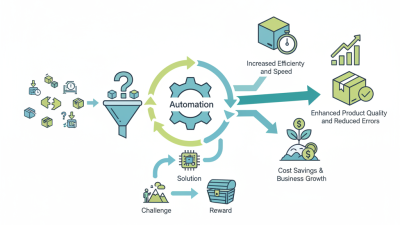
In today’s competitive market, packaging automation has become a vital component for businesses aiming for growth. According to a report by PMMI, over 70% of manufacturers indicated that investing in automation has led to increased efficiency and reduced operational costs. This statistic underscores the urgency of adopting packaging automation for those seeking sustainable success.
Expert John Smith, a leader in the packaging automation sector, states, “Businesses that leverage automation not only enhance productivity but also improve their product quality.” His insight reveals the dual benefits of automation, yet many companies still hesitate to implement these systems. Reasons include high initial costs and a lack of understanding of modern technology.
Despite these challenges, it’s essential to consider the long-term gains. Packaging automation can drastically reduce labor costs and minimize human errors. Businesses must weigh the upfront investments against potential savings and improvements. As the market evolves, staying stagnant means falling behind, making packaging automation not just an option but a necessity for future growth.
The Importance of Packaging Automation in Today’s Market
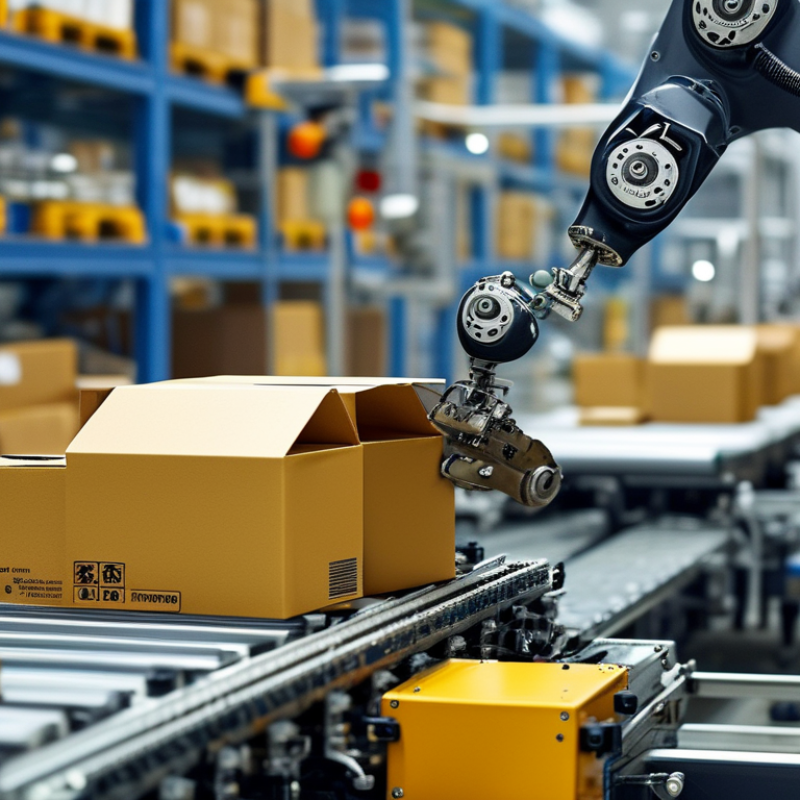
In today’s fast-paced market, packaging automation is more vital than ever. A recent report by the Packaging Automation Institute indicated that companies using automated packaging systems have increased throughput by 25% on average. This significant boost in efficiency can directly impact a business’s bottom line, enabling faster product delivery. As consumer demand for speed continues to rise, automation addresses this need effectively.
Moreover, the economic landscape underscores the importance of reducing operational costs. According to the latest data from the Bureau of Labor Statistics, labor costs have surged by over 3% annually in recent years. By investing in automation, businesses can mitigate these costs while maximizing labor efficiency. Automation releases employees from repetitive tasks, allowing them to focus on more strategic roles, which can drive innovation.
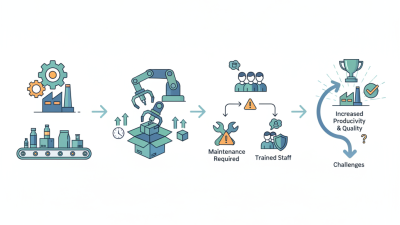
However, implementing packaging automation does come with challenges. Companies must ensure their workforce is adequately trained to handle new technologies. Transitioning to automated systems may create temporary disruptions. A 2022 survey revealed that nearly 30% of businesses faced implementation issues that hindered productivity. It is essential to plan and adapt during this transition to avoid negative impacts on operational flow.
Why Is Packaging Automation Essential for Your Business Growth?
| Dimension |
Description |
Impact on Business Growth |
| Increased Efficiency |
Packaging automation reduces manual labor, speeding up the packaging process. |
Leads to higher output and lower labor costs. |
| Consistency and Quality |
Automated systems ensure uniform packaging quality, reducing human error. |
Improves customer satisfaction and brand loyalty. |
| Flexibility |
Modern automated solutions can adapt quickly to different packaging styles and sizes. |
Enhances ability to meet diverse market demands. |
| Cost Savings |
Reduction in labor costs and material waste through optimized packaging processes. |
Increases profit margins over time. |
| Scalability |
Automation allows businesses to easily scale up production to meet increased demand. |
Prepares companies for growth opportunities. |
Key Benefits of Implementing Packaging Automation for Growth
In today's fast-paced market, packaging automation is vital for business growth. According to a report by PMMI, the Association for Packaging and Processing Technologies, 62% of companies see a boost in productivity when they implement automation solutions. This is a significant advantage, especially in competitive industries where speed and efficiency matter.
One key benefit of packaging automation is cost reduction. Manual processes can lead to human errors, which often result in wasted materials. Research suggests that errors in packaging can cost companies up to $10,000 annually. Implementing automated systems minimizes these mistakes. Furthermore, automation allows businesses to scale their operations smoothly. Savvy companies have noted that automated systems can help them increase production rates by up to 50%.
Automated packaging also enhances product consistency. A study from the Packaging Machinery Manufacturers Institute indicated that consistent packaging leads to improved customer satisfaction. However, automation is not without challenges. Initial setup costs and the need for staff training can be daunting. Still, the long-term savings and efficiency gains often justify this investment. By weighing these factors, businesses can make informed decisions on whether packaging automation aligns with their growth strategy.
Impact of Packaging Automation on Business Growth
Implementing packaging automation significantly enhances business growth by improving efficiency and quality while reducing costs. This bar chart illustrates the impact level of different benefits associated with packaging automation, showcasing why it's crucial for your business's success.
How Packaging Automation Enhances Efficiency and Productivity
The integration of packaging automation is a game-changer for many businesses. According to a report by the Packaging Automation Association, companies utilizing automation can achieve a productivity increase of up to 30%. This leap in efficiency translates directly into reduced labor costs and faster turnaround times. Automated systems can perform repetitive tasks, allowing employees to focus on more complex duties and strategic planning.
Additionally, automation enhances precision in packaging. Inaccurate packing costs companies dearly, both financially and in customer satisfaction. The American Society for Quality estimates that poor packaging can lead to a 20% increase in returns. Automated solutions minimize these errors, ensuring products reach customers intact and on time. This reliability builds brand trust, an essential component for long-term growth.
Tip: Evaluate your current packaging process. Identify areas where mistakes frequently occur and consider automation for those specific tasks. Regular assessments can lead to significant savings in time and money. Also, remember that not all automation solutions are equal. Choose one tailored to your business needs.
The Role of Technology in Advancing Packaging Automation
In the competitive landscape of modern business, packaging automation is not just an option; it is a necessity. A recent report by the Association for Packaging and Processing Technologies highlights that 72% of companies that have implemented automation in their packaging processes reported improved efficiency and reduced labor costs. This shows how technology can transform operations significantly, allowing businesses to scale more effectively.
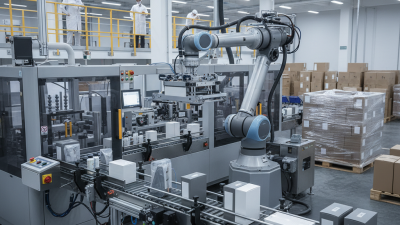
Technology plays a crucial role in advancing packaging automation. For instance, robotic systems can handle complex packaging tasks with precision, achieving speeds of up to 120 packages per minute. This not only increases throughput but also minimizes errors, which directly impacts product quality. Furthermore, advanced data analytics can optimize packaging strategies, leading to better resource allocation. While the initial investment in automation technologies can be high, the long-term savings and efficiency gains are undeniable.
However, organizations should reflect critically on their implementation strategies. A study by McKinsey shows that 70% of digital transformation initiatives fail due to a lack of clear goals and vision. This highlights the need for careful planning and execution when adopting new technologies. Moreover, the workforce must be adequately trained to work alongside automated systems to maximize their potential. Balancing human skills with technological advancements remains a challenge that many businesses must address.
Case Studies: Successful Adoption of Packaging Automation Strategies
Packaging automation is increasingly vital for businesses aiming for growth. Case studies highlight remarkable success stories. For instance, a leading food manufacturer implemented automated packaging lines. This change led to a 30% increase in production efficiency. The firm also reduced labor costs by 20%. These statistics underscore the tangible benefits of adopting automation.
In another example, a beverage company integrated smart packaging technologies. They reported a reduction in material waste by 15% and improved customer engagement through tracking capabilities. These achievements demonstrate that automation doesn’t just save time; it also enhances product integrity and brand loyalty.
Tips for implementing automation successfully: Start small and gradually scale up. Assess your current processes to identify bottlenecks. Training your team is crucial; skilled operators are essential for smooth transitions. Monitor performance continuously to evaluate improvements and address issues promptly. Reflect on these efforts, as mistakes in the early stages can provide valuable lessons. The path to automation is not always perfect but can lead to significant growth.