Choosing among the top automatic bag filling machine suppliers worldwide requires more than comparing prices. It demands practical judgment, verified performance, and a clear understanding of production conditions.
An automatic bag filling machine must match the product, bag material, target weight, and factory environment. Powder, granules, pet food, chemicals, and agricultural products behave differently during filling. A machine that performs well with rice may struggle with dusty flour. Small details matter. Hopper design matters. Dust control matters. So does cleaning access.
Packaging automation expert Jorge Izquierdo has stated, “Automation should be treated as a business strategy, not simply a machine purchase.” This principle deserves attention when evaluating international suppliers. Reliable manufacturers should provide test runs, documented accuracy data, installation support, operator training, and responsive spare-parts service. Their machines should also support safe operation and applicable industry standards.
Look beyond polished websites. Ask for videos from comparable production lines. Request references from users handling similar materials. Check whether the supplier can integrate weighers, conveyors, sealers, checkweighers, and coding systems. A complete line may reduce labor, but poor integration can create expensive downtime.
The choice is rarely perfect.
Even experienced buyers can underestimate humidity, bag variation, or operator learning time. A careful supplier will discuss these risks instead of promising effortless results. This overview examines leading automatic bag filling machine suppliers through engineering capability, customization, service quality, delivery experience, and long-term reliability. It also considers where each supplier may fall short, because honest comparisons support better investment decisions.
Top Automatic Bag Filling Machine Suppliers Worldwide
Automatic bag filling machines differ by product behavior, bag format, and required accuracy. Net-weigh fillers suit free-flowing products, such as rice, grains, and pellets. Gross-weigh systems weigh material inside the final bag, reducing transfer errors. Auger fillers handle powders, while volumetric fillers work well with consistent granules. Liquid fillers use piston or flow-meter technology.
Bag construction also defines the machine type. Open-mouth systems accept pre-made bags and support fast sealing. Valve-bag fillers control dusty powders more effectively. Form-fill-seal machines create bags from film, then fill and seal them in one line. PMMI’s 2024 State of the Industry report valued U.S. packaging machinery shipments at approximately 11.3 billion dollars in 2023. This investment reflects strong demand for labor-saving automation, but machine selection remains highly application-specific.
In food plants, a multi-head weigher can improve speed for irregular products. For fine powders, auger speed and dust control matter more than headline output. Operators should test real materials, not laboratory substitutes. Small moisture changes can alter flow and accuracy. A practical review should measure target weight, seal strength, changeover time, and rejected bags. No design is universally best. Even reliable equipment may need slower settings during humid production. That limitation is easy to overlook.
The chart compares typical production throughput by automatic bag filling machine type. Actual capacity depends on the product, bag size, filling accuracy, material flowability, sealing method, and level of automation. The figures represent commonly specified operating ranges in bags per minute rather than individual supplier performance.
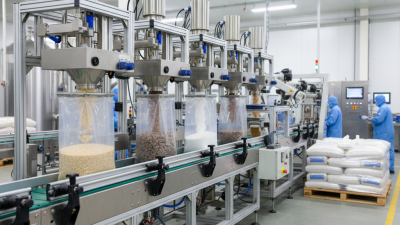
Automatic bag filling machines combine dosing, bag opening, product loading, sealing, and discharge in one controlled sequence. A servo-driven auger measures powders, while load cells verify weight before sealing. For granules, multihead weighers release measured portions into pre-opened bags. Pneumatic clamps hold the bag firmly, but excessive pressure can crease thin film.
Hygiene depends on more than stainless steel. Sloped surfaces, tool-free change parts, and accessible contact zones reduce residue after production. Grand View Research valued the global flexible packaging market at approximately USD 257.9 billion in 2022, showing why reliable bag handling matters across food, chemical, and household applications. However, market size does not guarantee machine suitability.
Operating speed should be tested with the actual product. Fine powder may bridge inside the hopper, while dusty granules can slow sealing jaws. Sensors detect missing bags, low material levels, and incomplete closures. According to PMMI’s packaging machinery research, labor shortages continue pushing manufacturers toward automation and simpler operator interfaces. That trend is practical, though imperfect. A faster line can create more waste when settings are poorly tuned. Real factory trials should measure accuracy, changeover time, seal strength, cleaning effort, and rejected bags.
Choosing an automatic bag filling machine supplier requires more than comparing quotations. In the 2024 World Robotics report, 541,302 industrial robots were installed worldwide in 2023. This growth signals stronger automation demand, but it does not guarantee reliable bagging performance. Ask suppliers for factory acceptance test records, filling accuracy data, and documented changeover times. Request references from facilities using similar materials, bag sizes, and production speeds.
A credible supplier should explain total ownership cost clearly. Review spare-parts availability, remote diagnostics, operator training, and local service coverage. Check whether electrical components, safety controls, and food-contact parts meet the standards required in your market. The Packaging Machinery Market report by Fortune Business Insights estimates the global market reached about USD 52.83 billion in 2023. Such expansion can attract inexperienced vendors. That is an uncomfortable point. Bigger markets do not always create better engineering.
Tips: Compare measured output, not brochure speed. Test powder, granules, or sticky products using your actual bags. Record rejects, dust leakage, seal quality, and cleaning time. Include these results in the contract. Also, define response times for breakdowns and keep critical spare parts locally. Some buyers focus too heavily on purchase price. That mistake can become expensive during a night shift. A pilot run may reveal problems that a polished presentation hides.
Supplier regions strongly influence automatic bag filling machine design, service, and delivery time. East Asian suppliers often provide flexible configurations and competitive production capacity. Western European manufacturers commonly focus on precision dosing, hygienic construction, and energy control. North American suppliers often emphasize integration with conveyors, inspection systems, and warehouse software. India and Türkiye also offer growing engineering capabilities for regional packaging markets.
Food processors require cleanable fillers for flour, rice, snacks, and frozen products. Powder applications need dust control and stable auger dosing. Agricultural producers use weighing fillers for seeds, feed, and soil products. Building material companies need robust systems for cement-based powders and dry mixtures. Pet food plants often need gentle handling, accurate weighing, and quick product changeovers. Bag material matters too. Woven sacks, paper bags, and laminated pouches require different gripping methods.
Reliable suppliers should provide factory acceptance testing, dosing records, operating manuals, and practical operator training. Buyers should examine actual samples, not only impressive speed figures. A machine filling 25 kilograms may perform differently with humid powder. That detail is easy to miss. Regional service teams can reduce downtime, but response promises need written evidence. I would also check spare-part availability, calibration procedures, and cleaning access before approval. Specifications can still mislead. A careful trial usually reveals the truth.
Top Automatic Bag Filling Machine Suppliers Worldwide
Purchasing, Installation, and Maintenance Considerations
Purchasing an automatic bag filling machine requires more than comparing hourly output. According to Fortune Business Insights, the global packaging machinery market reached approximately USD 52.83 billion in 2023. This growth increases supplier choice, but also complicates technical evaluation. Request verified tests using your actual product, bag material, and target weight. A machine rated for 40 bags per minute may perform slower with dusty powder or irregular granules. Confirm filling accuracy, changeover time, compressed-air consumption, and available spare parts. The cheapest quote can be expensive.
Installation should include a documented site survey. Check floor loading, power quality, ventilation, air pressure, and access for maintenance. Operators need clear guarding and practical cleaning points. A 2023 Deloitte maintenance study reported that predictive maintenance can reduce downtime by 5% to 15% and lower maintenance costs by 18% to 25%. Therefore, select equipment with load monitoring, fault history, and accessible sensors. Commissioning should test at least one full production shift, not only a short demonstration. Small oversights matter.
Maintenance plans must specify inspection intervals, lubrication requirements, calibration procedures, and response times. Keep critical sealing elements, sensors, and belts in controlled storage. Record every adjustment in a simple log. It sounds basic. Yet incomplete records often hide recurring faults. Suppliers should provide training for operators and technicians, with illustrated procedures and remote diagnostic support. Reassess performance after three months; the original assumptions may be wrong.
| Machine Category | Typical Bag Format | Typical Throughput | Common Product Applications | Typical Fill-Weight Range | Key Purchasing Requirements | Installation Requirements | Maintenance Considerations |
|---|---|---|---|---|---|---|---|
| Vertical Form-Fill-Seal Machine | Roll-stock pillow, gusseted, or block-bottom bags | Approximately 30–120 bags per minute | Snacks, grains, sugar, powders, frozen foods, and general dry products | Approximately 10 g–5 kg, depending on the dosing system and product density | Check film compatibility, sealing-jaw design, dosing accuracy, changeover time, and product-contact materials. | Requires level flooring, electrical supply, compressed air for pneumatic components, and sufficient clearance for film loading. | Inspect sealing surfaces, knives, belts, sensors, pneumatic valves, and film-tracking components at scheduled intervals. |
| Premade Pouch Filling and Sealing Machine | Stand-up pouches, flat pouches, zipper bags, and spouted pouches | Approximately 20–60 bags per minute | Pet food, sauces, powders, confectionery, cosmetics, and ready-to-use products | Approximately 50 g–5 kg, depending on pouch dimensions and product characteristics | Confirm pouch-size range, zipper or spout handling, seal inspection, reject functionality, and feeding accuracy. | Needs accurate pouch loading, compressed air, product-feed integration, and space for an infeed conveyor and discharge system. | Clean grippers and sealing jaws, verify pouch sensors, lubricate moving assemblies, and check seal temperature controls. |
| Open-Mouth Bag Filling Machine | Preformed paper, woven polypropylene, or polyethylene bags | Approximately 10–40 bags per minute | Flour, animal feed, fertilizer, chemicals, minerals, and construction materials | Typically 5–50 kg | Evaluate gross-weighing or net-weighing accuracy, bag-clamping method, dust control, and sewing or heat-sealing options. | Requires a bag magazine, dust extraction where applicable, a stable scale platform, and downstream closing equipment. | Calibrate load cells, inspect clamps and filling spouts, clean dust-prone areas, and check sewing heads or heat sealers. |
| Form-Fill-Seal Valve Bag Machine | Paper or plastic valve bags formed and filled from a bag tube | Approximately 10–30 bags per minute | Cement, dry mortar, gypsum, mineral powders, and other dusty products | Typically 10–50 kg | Prioritize dust-tight filling, valve formation, bag strength, weighing accuracy, and compatibility with abrasive powders. | Needs dust collection, compressed air, adequate ventilation, robust flooring, and integration with palletizing equipment. | Inspect filling valves, filters, wear parts, seals, weighing components, and dust-collection lines for blockage or leakage. |
| Premade Bag Rotary Filler | Multiple sizes of preformed bags, including zipper and gusseted formats | Approximately 30–80 bags per minute | Dry foods, pet treats, household products, hardware, and light industrial goods | Approximately 100 g–5 kg | Review the number of filling stations, dosing technology, bag-storage capacity, format-change parts, and inspection controls. | Requires precise machine leveling, electrical and pneumatic connections, product infeed synchronization, and operator access space. | Follow station-by-station inspection procedures and monitor grippers, indexing drives, sealers, sensors, and filling accuracy. |
| Auger-Based Powder Filler | Premade bags or bags produced by a form-fill-seal system | Approximately 15–60 bags per minute | Flour, spices, protein powders, pharmaceutical powders, and chemical powders | Approximately 10 g–5 kg | Check powder flowability, dust control, auger configuration, contact-material certification, and target-weight accuracy. | Requires dust extraction when necessary, a stable product hopper, compressed air for actuators, and controlled humidity for sensitive powders. | Clean the auger and hopper, inspect seals, verify calibration, and prevent powder buildup around drives and sensors. |
| Volumetric Cup Filler | Roll-stock bags or premade bags | Approximately 30–100 bags per minute | Free-flowing granules such as rice, pulses, seeds, salt, and snack products | Approximately 20 g–2 kg | Confirm product bulk-density consistency, cup-volume range, changeover method, and required accuracy tolerance. | Needs a consistent product supply, suitable elevator or feeder, electrical power, and clearance for hopper access. | Check cup settings, drive chains, bearings, hopper gates, and product-contact surfaces for wear or buildup. |
| Linear or Multihead Weigher System | Premade bags or roll-stock bags | Approximately 30–120 bags per minute | Irregular snacks, frozen vegetables, confectionery, hardware, and mixed products | Approximately 10 g–5 kg | Assess target-weight accuracy, product handling, weighing-head count, memory settings, and integration with the bagger. | Requires a stable elevated platform, product distribution equipment, vibration control, and sufficient maintenance access. | Clean weighing buckets, inspect load cells and discharge gates, control vibration, and perform routine calibration checks. |
| Aseptic or Hygienic Bagging System | Sanitary pouches, lined bags, or sealed food-grade containers | Application-dependent; commonly 10–60 bags per minute | Liquid foods, dairy ingredients, nutraceuticals, and sensitive food products | Application-dependent; commonly 100 g–25 kg | Verify hygienic design, cleanability, material certificates, sealing validation, traceability, and applicable food-safety requirements. | May require controlled hygiene zones, washdown-compatible utilities, filtered air, drainage, and validated cleaning procedures. | Use documented sanitation procedures and inspect seals, gaskets, pumps, valves, sensors, and product-contact surfaces. |
| Automatic Bag Closing and Secondary Packaging Line | Filled open-mouth bags, sewn bags, or heat-sealed bags | Approximately 10–50 bags per minute | Feed, fertilizer, chemicals, pet food, grains, and industrial powders | Typically 5–50 kg | Confirm closing method, bag alignment, stitching or sealing quality, coding requirements, and compatibility with palletizing. | Requires conveyor alignment, compressed air for actuators, safe access around sewing heads, and downstream transfer space. | Replace needles, thread cutters, belts, heaters, and filters as needed; inspect bag tracking and closure quality daily. |
| Performance ranges are typical industry reference values and vary with product density, moisture, particle size, bag dimensions, filling accuracy, machine configuration, and operator conditions. Before purchase, request a product trial, confirm utility specifications, obtain a complete list of wear parts, and define installation, training, warranty, and after-sales service responsibilities in writing. | |||||||
A&B has become the leader in fresh packing and cleaning equipment for fruits and vegetables worldwide. We have achieved this by relentlessly working to produce new and innovative ideas, along with the best customer service on Earth combined with hard working, dedicated, loyal employees and the latest industrial manufacturing techniques. We are now proud to say that we manufacture The Fulcrum Fresh Harvester, this is a one of a kind Berry Harvester that was specifically designed to handle fresh pick blueberries.
732 W. Saint Joseph Street
Lawrence, MI 49064
Phone: 269-539-4700 Fax: 269-539-4705
sale@industrialpackagingmachines.com