Choosing the 2026 best packaging machine for small business is not about buying the fastest equipment. It is about matching equipment with daily production, product protection, labor, and available space. A compact tabletop filler may suit a small sauce producer. A semi-automatic pouch machine may serve a growing snack brand better. The correct choice depends on real work, not attractive brochures.
Packaging machinery specialist Jorge Izquierdo offers a practical reminder: “Automation must match the operation, not merely the ambition.” That principle matters when budgets are limited. A machine should handle the product consistently, clean easily, and leave room for future growth. Operators should test sealing quality, changeover time, noise, and material waste before purchase. Ask for sample runs. Watch the machine during an ordinary production shift. Small details matter.
This guide examines reliable options for a packaging machine for small business in 2026. It considers entry cost, maintenance, speed, footprint, controls, and operator training. It also looks at service access, spare parts, warranty terms, and compatibility with common packaging materials. A low purchase price can become expensive after repeated adjustments. That is easy to overlook.
No machine is perfect. Some affordable models sacrifice speed. Some advanced machines demand skills that a small team may not have. The honest answer may be less exciting. Yet careful testing usually prevents costly disappointment. Business owners should measure actual output, not promised output. They should also question whether automation is needed now, or only later. This balanced approach supports safer decisions, steadier quality, and more sustainable growth.
For a small business, the best packaging machine is rarely the largest one. It should fit beside a worktable, use modest power, and handle changing product sizes. A narrow footprint matters when storage space is limited. So does quick setup.
In practical trials, operators should adjust film tension, filling volume, or sealing temperature without calling a technician. Clear controls reduce training time and prevent avoidable waste. Tool-free changeovers help when a shop packs several products each day. The machine should also support recyclable or lightweight materials when suitable. That choice can lower shipping weight, but it may require careful testing.
Reliable equipment needs more than attractive speed claims. Ask for documented safety features, cleaning instructions, spare-part availability, and performance data from similar applications. A simple sensor system can track stoppages and reveal recurring faults. However, extra automation is not always a smart investment. It can increase costs and create skills gaps. I have seen small teams buy advanced equipment, then use only half its functions. A slower machine with stable sealing, accessible parts, and predictable maintenance may deliver better value. Before purchasing, run real products through several shifts, measure waste, and record operator feedback. The first test may expose an inconvenient truth.
2026 Best Packaging Machine for Small Business?
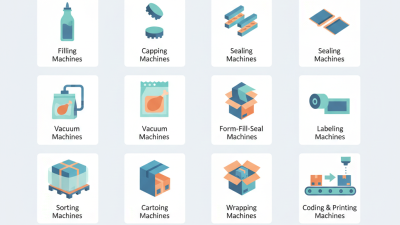
Key Packaging Machine Types and Their Best Business Applications
The best packaging machine depends on product shape, daily volume, and available workspace. A tabletop heat sealer suits small food producers, candle makers, and online retailers. It seals pouches quickly, needs little training, and fits beside a weighing scale. Check seal strength every shift. A weak seal can ruin an otherwise careful order.
Vacuum packaging machines work well for coffee, dried foods, and other products needing reduced air exposure. They can improve shelf stability, but they do not replace proper sanitation or required labeling. For growing operations, a vertical form-fill-seal machine creates bags from roll stock. It suits powders, grains, snacks, and similar products with consistent flow. Setup takes longer than expected. Operators must adjust film tension, filling weight, and sealing temperature.
Labeling machines are useful when bottles, jars, or cartons reach several hundred units daily. Manual labeling may remain cheaper at lower volumes, especially when packaging sizes change often. Small carton erectors and case sealers can support subscription boxes, cosmetics, and household goods. Choose them only after measuring carton dimensions and production speed. I once underestimated cleaning time around a filling line; the machine looked efficient, but daily maintenance slowed the team. Reliable selection also requires guarding, electrical safety, operator training, and compliance with local packaging and product-labeling rules.ablytyped
| Packaging Machine Type | Best Business Applications | Typical Products | Common Package Format | Approximate Throughput | Suitable Business Stage | Key Advantages | Main Limitations |
|---|---|---|---|---|---|---|---|
| Continuous Band Sealer | Small food producers, e-commerce fulfillment, pet treats, hardware and household goods | Dry foods, powders, granules, small parts and retail merchandise | Pre-made polyethylene, polypropylene, laminated and foil-laminate bags | Approximately 10–30 bags per minute, depending on bag size and operator loading | Start-upGrowing | Low labor requirement, compact footprint, adjustable sealing temperature and conveyor height | Requires pre-made bags; it does not automatically measure or fill the product |
| Impulse Heat Sealer | Home-based businesses, handmade products, seasonal sellers and low-volume retail packaging | Craft supplies, apparel, baked goods, small components and general merchandise | Thermoplastic pouches and open-ended plastic bags | Approximately 5–20 bags per minute, mainly determined by manual handling | Start-up | Affordable, easy to operate, portable and suitable for many small package sizes | Labor-intensive and unsuitable for high-volume or fully automated production |
| Auger Filler | Small businesses selling powdered food, spices, supplements and chemical powders | Flour, coffee grounds, seasoning, protein powder and powdered cleaners | Pre-made bags, jars, bottles and containers | Approximately 10–40 fills per minute, depending on product flow and target weight | GrowingSpecialized | Good dosing control for powders and relatively consistent fill weights | Less suitable for sticky, irregular or highly granular products; dust control may be required |
| Volumetric Cup Filler | Snack, grain, seed, candy and agricultural-product businesses | Rice, beans, cereal, nuts, seeds, pasta and confectionery | Pre-made bags, pouches, jars and containers | Approximately 15–50 fills per minute, depending on product characteristics | GrowingMedium volume | Simple mechanical design, fast operation and practical for free-flowing products | Volume-based filling can be less accurate when product density varies |
| Liquid Piston or Pump Filler | Personal care, sauces, beverages, cleaning products and small-batch chemical businesses | Honey, sauces, shampoo, lotion, detergent and edible oils | Bottles, jars, tubs and other rigid containers | Approximately 10–40 fills per minute, depending on viscosity and container size | GrowingSpecialized | Improves fill consistency and reduces spills compared with manual filling | Product-contact parts need regular cleaning; very thick or particulate products may need special pumps |
| Semi-Automatic Powder or Granule VFFS Machine | Small food, agricultural, supplement and industrial-product manufacturers | Snacks, grains, spices, powders and small granules | Formed pillow bags, gusseted bags and sachets made from roll stock | Approximately 20–60 bags per minute, depending on the filling system and bag dimensions | GrowingMedium volume | Forms, fills and seals bags in one integrated process while reducing packaging material waste | Changeovers and setup require training; product flow strongly affects performance |
| Premade Pouch Filler and Sealer | Premium snacks, coffee, pet food, cosmetics and specialty retail products | Granules, powders, liquids and small solid products | Stand-up pouches, flat pouches, zipper pouches and spouted pouches | Approximately 8–35 pouches per minute for semi-automatic configurations | GrowingPremium products | Attractive presentation, flexible pouch formats and easier product changeovers than roll-stock systems | Premade pouches generally cost more than film roll stock; pouch handling may be sensitive to size variation |
| Tabletop Labeling Machine | Beverage, cosmetics, supplements, candles and small-batch food businesses | Bottles, jars, cans, tubs and cartons | Front labels, wraparound labels and two-sided labels | Approximately 10–40 containers per minute, depending on container shape and label design | Start-upGrowing | Improves label alignment, product appearance and production consistency | Usually handles one container shape or a limited range of sizes at a time |
| Capping Machine | Small beverage, personal-care, food-sauce and household-chemical operations | Liquids and semi-liquid products in rigid containers | Screw caps, pump closures, trigger closures and some snap-on caps | Approximately 10–40 containers per minute for semi-automatic systems | GrowingMedium volume | Provides more consistent closure torque and reduces repetitive manual work | Requires compatible container and cap dimensions; changeovers may require tooling adjustments |
| Carton Sealer | Online retailers, wholesalers, subscription-box businesses and light manufacturing | Retail products, spare parts, apparel and assorted shipments | Corrugated shipping cartons sealed with pressure-sensitive tape | Approximately 10–25 cartons per minute, depending on carton size and operator workflow | GrowingE-commerce | Speeds up shipping preparation and provides uniform carton closure | Works best with regular carton sizes; irregular or very small boxes may need manual handling |
| Shrink-Wrapping Machine | Gift sets, promotional bundles, printed materials, hardware kits and multipacks | Retail products, boxes, trays and grouped items | Polyolefin, polyethylene or PVC shrink film, depending on application requirements | Approximately 5–20 packages per minute for compact semi-automatic systems | Start-upGrowing | Creates tamper-evident bundles, protects products from dust and improves shelf presentation | Uses heat and film; ventilation, operator training and careful temperature control are important |
| Vacuum Packaging Machine | Specialty food, meat, seafood, cheese, coffee and moisture-sensitive products | Fresh foods, dried foods, prepared meals and selected non-food products | Vacuum pouches and barrier bags | Approximately 2–15 cycles per minute, depending on chamber size and sealing configuration | SpecializedFood production | Reduces air exposure and can help protect products from oxidation and moisture | Does not replace refrigeration or food-safety controls; product preparation and pouch selection are critical |
| Checkweigher and Metal Detector Combination | Food, pharmaceutical, supplement and regulated-product businesses requiring quality checks | Packaged foods, supplements, pharmaceuticals and consumer products | Sealed bags, pouches, cartons, trays and bottles | Approximately 30–120 packages per minute, depending on package size and inspection settings | GrowingQuality-focused | Helps identify underweight packages and potential metal contamination before shipment | Higher investment and maintenance requirements; detection performance depends on product and package conditions |
The best machine depends on your product, not its advertised speed. Pouches, cartons, bottles, and fragile goods require different handling systems. A powder may need auger filling, while liquid products require controlled pumps. Product testing should come before purchasing. Small details matter, such as seal width, film thickness, cleaning time, and changeover tools.
PMMI’s 2024 State of the Industry report places U.S. packaging machinery shipments above 10 billion dollars in 2023. It also identifies labor shortages and flexible automation as important investment pressures. For a small business, calculate hourly demand carefully. If you pack 600 units daily, a 1,200-unit-per-hour machine may be unnecessary. Planned output should include breaks, refilling, cleaning, and minor stoppages. The machine rarely runs at its brochure speed.
Budget beyond the purchase price. Include tooling, installation, training, spare parts, electricity, and service access. Smithers forecasts the global packaging market could exceed 1.2 trillion dollars by 2028, increasing pressure for efficient and adaptable equipment. However, growth does not justify buying the most advanced system. A semi-automatic machine may suit seasonal production better. My first calculation would probably ignore downtime. That is a costly mistake. Request sample runs using your actual product, packaging material, and target speed. Measure rejected packs, operator effort, and changeover minutes before signing an order.
2026 Best Packaging Machine for Small Business?
Essential Features for Efficiency, Safety, and Easy Operation
For a small business, the best packaging machine in 2026 is not always the fastest model. It should run safely, clean quickly, and adjust without constant technical support. PMMI’s 2023 U.S. Packaging Machinery Shipments Report valued shipments at about $10.3 billion in 2022. This shows a large, evolving market. However, growth does not guarantee a suitable purchase. Measure product sizes, shift length, floor space, and real production needs first.
Efficiency depends on repeatable settings. Choose tool-free changeovers, recipe storage, clear sensors, and accurate production counters. A fault message should identify the blocked station, not simply display “error.” The International Federation of Robotics reported 541,302 industrial robots installed worldwide in 2023. Small companies do not need full automation. They can automate repetitive movements while keeping important decisions visible. Maximum speed can be misleading. Feeding or sealing problems may reduce actual output.
Safety belongs in the buying decision. Check guarded parts, emergency stops, interlocks, cleaning access, and risk assessments aligned with ISO 12100. Test the machine with gloves, low light, and a tired operator. Easy operation means more than a touchscreen. Controls need plain language and quick recovery steps. The U.S. Bureau of Labor Statistics recorded 2.6 million nonfatal private-industry injuries and illnesses in 2023. The figure is not packaging-specific, but prevention still matters. Ask for training records, maintenance intervals, spare-part availability, and a live acceptance test. A machine that looks efficient on paper may frustrate its operator every hour.
Essential Features for Efficiency, Safety, and Easy Operation
This planning chart converts machine speed into hourly output using the exact relationship packs per minute × 60. A small business can compare practical operating levels while prioritizing simple controls, reliable guarding, quick changeovers, and safe operation. Actual output may be lower when products, packaging materials, maintenance, or changeover time vary.
Safety note: machine selection should include appropriate guarding, emergency-stop controls, operator training, and a documented risk assessment. Noise exposure should also be evaluated against applicable workplace regulations.
Installation costs often surprise small operators. A machine may fit the product, but not the room. Measure doorways, floor strength, power supply, ventilation, and operator clearance before ordering. Ask for a commissioning checklist and a remote support plan. The U.S. Department of Energy reports that compressed air can consume 10–30% of industrial electricity. A leaking pneumatic line can quietly inflate monthly costs. Keep the air path short and inspect fittings weekly. Small details matter.
Maintenance should be practical, not theoretical. Choose equipment with accessible belts, sensors, heaters, and changeover parts. Record cleaning time, stoppages, and replacement intervals during the first 90 days. PMMI’s 2024 State of the Industry reporting placed U.S. packaging machinery shipments at roughly 10 billion dollars in 2023, reflecting continued automation demand. Yet a smaller company should not copy a large factory’s maintenance program. It may create unnecessary expense. A simple spare-parts shelf and monthly inspection can be more reliable.
Calculate total cost of ownership over five years. Include installation labor, training, electricity, consumables, software updates, downtime, and parts. The purchase price is only the visible number. Energy Star guidance also emphasizes measuring equipment energy use instead of relying on estimates. That advice is easy to ignore. Do not ignore it. A basic energy meter, service log, and written operator checklist can expose waste early. My practical concern is staffing: if only one person understands the machine, maintenance risk remains high. Train a backup before production becomes urgent.
A&B has become the leader in fresh packing and cleaning equipment for fruits and vegetables worldwide. We have achieved this by relentlessly working to produce new and innovative ideas, along with the best customer service on Earth combined with hard working, dedicated, loyal employees and the latest industrial manufacturing techniques. We are now proud to say that we manufacture The Fulcrum Fresh Harvester, this is a one of a kind Berry Harvester that was specifically designed to handle fresh pick blueberries.
732 W. Saint Joseph Street
Lawrence, MI 49064
Phone: 269-539-4700 Fax: 269-539-4705
sale@industrialpackagingmachines.com