Global buyers face a practical challenge: choosing a bag sealing machine that fits their products, production speed, and packaging materials. The opportunity is substantial, but market growth alone does not guarantee a sound investment. The Flexible Packaging Association’s 2024 State of the U.S. Flexible Packaging Industry report put U.S. flexible packaging sales at approximately $42.9 billion in 2023. That figure describes packaging sales, not sealer demand. It does, however, show the scale of the market these machines serve.
A reliable seal is more than a neat line across a bag. Buyers need to assess seal consistency, temperature control, throughput, changeover time, and compatibility with their films or pouches. A seal that looks smooth can still fail during handling. Ask suppliers for documented test results using your actual materials, then check how quickly operators can repeat the settings. Small details matter. Maintenance access matters, too.
This guide compares leading machine types and buying considerations for international purchasers. It focuses on practical evidence, including specifications, service support, and application fit. No source material or independently verifiable quotation from a named bag-sealing expert was provided, so attributing a quotation here would risk misleading readers. For publication, add a sourced expert statement only after confirming its wording and original context. Reliable purchasing starts with verified claims.
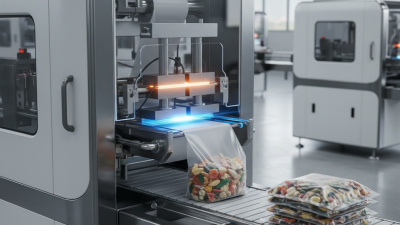
A bag sealing machine closes an open pouch by bonding its inner layers, usually with controlled heat and pressure. Some models use an impulse bar that heats briefly; continuous band sealers carry bags past heated belts for steady production. The operator sets temperature, pressure, and dwell time. Small changes matter. Too little heat leaves a weak seam; too much can wrinkle or burn the film.
The material must suit the sealing method. Polyethylene and laminated films may need different settings, so test seals before a production run. Keep the seal area flat and free of crumbs or product residue. A clean-looking seam is not proof of a reliable seal. Check samples for gaps, uneven edges, and separation under gentle pulling. Smithers, in The Future of Global Packaging to 2028, estimated the worldwide packaging market at about US$1.17 trillion in 2023. That broad figure shows the scale of packaging demand, but it does not tell buyers which sealer fits their bags. Bag width, film structure, line speed, and operator skill still decide that. Real production conditions can be messier than a specification sheet.
Bag sealing machines close bags by applying heat and pressure, or another sealing method, to join compatible packaging materials.
How to read the chart: The 1–3 scale is a qualitative comparison of typical operator involvement, not a standardized industry rating or a measure of speed. Hand and foot impulse sealers usually require the operator to position each bag; continuous band sealers convey bags through heated sealing elements; in-line automatic sealers can integrate sealing into a production line. Actual operation depends on machine configuration.
Bag sealing machines are usually grouped by how they apply heat and move the package. Impulse sealers heat a narrow strip only while the jaws are closed. They suit many polyethylene and polypropylene bags, especially for short runs or changing bag sizes. The operator places the open edge between the jaws, presses the pedal, and waits for the seal to cool. That pause matters.
Constant-heat sealers keep their jaws warm and can work well with some thicker or multilayer materials. Temperature and dwell time need careful adjustment; too much heat may wrinkle the film or weaken its edge. Material construction varies, so a small sample test is wiser than relying on appearance alone.
For higher output, continuous band sealers feed bags along a heated belt, creating a steady seam with less manual handling. They are useful when many similar bags need sealing, though setup and cleaning take time. Vacuum chamber sealers remove air before sealing, which can help when reduced air inside the package is needed. Not every product benefits. A practical choice depends on bag material, seam width, daily volume, and operator skill. I would not choose by speed alone; that is an easy shortcut, and sometimes the wrong one.
| Machine Type | How It Seals | Common Bag Materials | Typical Applications | Relative Output | Key Selection Considerations |
|---|---|---|---|---|---|
| Handheld Impulse Sealer | A heated element applies a short, controlled pulse of heat while the operator presses the sealing jaws together. | Many heat-sealable thermoplastic films, including polyethylene and compatible laminated films. | Small batches, samples, repair work, and sealing bags at locations without a fixed packing line. | Low; depends mainly on operator speed and bag size. | Check the required seal length and film thickness. The material must be compatible with heat sealing; paper and foil layers may require a suitable sealant layer. |
| Foot-Operated Impulse Sealer | A foot pedal closes the sealing bar, leaving the operator’s hands free to position the bag. | Heat-sealable plastic films and compatible laminates. | Workshops and small-to-medium packing areas handling larger bags or frequent batches. | Low to medium; generally more convenient than a handheld unit for repetitive work. | Compare sealing-bar length, cycle controls, operator ergonomics, and available bench or stand arrangements. |
| Continuous Band Sealer | Conveyor belts move bags through heated sealing blocks; many models also cool the seal after heating. | Common heat-sealable plastic bags and compatible laminated packaging films. | Repeated sealing of filled pouches, including food, household goods, and industrial products. | Medium to high; continuous feeding supports faster production than manual impulse sealing. | Check horizontal, vertical, or adjustable orientation; bag dimensions; film compatibility; required coding options; and line speed. |
| Vacuum Chamber Sealer | The bag is placed inside a chamber. Air is evacuated before the bag mouth is heat-sealed; the chamber then returns to atmospheric pressure. | Vacuum-compatible, heat-sealable pouches, including suitable barrier laminates. | Food portions, ingredients, and other products where reducing air inside the package is useful. | Low to medium; chamber size and cycle time determine batch capacity. | Choose a chamber large enough for the product and pouch. The product, pouch, and intended storage conditions determine whether vacuum packaging is suitable. |
| Nozzle-Type Vacuum Sealer | A nozzle draws air from the bag before the open end is heat-sealed, without placing the whole package in a chamber. | Compatible vacuum pouches and selected bags with openings that can be positioned around the nozzle. | Packaging larger products or bags that do not fit conveniently in a chamber machine. | Medium in suitable applications; performance depends on bag handling and product geometry. | Confirm that the bag structure supports vacuum sealing and that the nozzle can remove air without drawing product into the system. |
| L-Bar Sealer with Shrink Tunnel | An L-shaped sealing bar cuts and seals shrink film around a product; a separate heat tunnel shrinks the film. | Compatible shrink films, such as polyolefin or PVC shrink film, depending on the machine and application. | Retail multipacks, cartons, and products requiring a snug outer-film wrap. | Medium; output depends on loading, sealing-cycle time, and tunnel speed. | This system makes a shrink-film package rather than a conventional filled-bag closure. Match film type, package dimensions, and tunnel capacity. |
| Bag Sewing Machine | A needle and thread stitch through the mouth of the filled bag; some setups add a crepe tape or other closure treatment. | Woven polypropylene, paper, and other sewable sack materials, subject to the machine and thread configuration. | Closing sacks of grain, animal feed, fertilizer, and other bulk materials. | Medium to high in dedicated sack-closing lines; depends on feeding and line integration. | Stitching is not a hermetic heat seal. Select suitable thread, stitch style, bag construction, and dust-control measures for the product. |
Selection note: Actual production rates and sealing performance vary with bag dimensions, film structure and thickness, operator handling, product characteristics, and machine settings. Verify material compatibility and conduct seal testing with the intended packaging before purchase.
A bag sealer’s stated speed matters less than its performance with your actual packaging. Check the bag material, thickness, width, and product weight before comparing machines. Heat, pressure, and dwell time must work together to create a consistent seal. Too much heat can wrinkle thin film; too little may leave weak edges. Small test runs reveal more than a glossy specification sheet.
Look for adjustable settings, clear controls, and repeatable results across a full shift. A temperature display helps operators spot drift, while a simple sensor can detect misplaced bags. Changeover time also matters when package sizes vary. Minutes add up. Ask how often sealing jaws need cleaning and whether routine parts are easy to reach. These details affect uptime, though they are often overlooked.
For buyers handling different power supplies or work environments, confirm the machine’s stated requirements with the supplier. I would not choose on speed alone; real output depends on loading, operator rhythm, and stoppages. Run samples using your own bags, then inspect seals after cooling. A few imperfect seals in testing are useful warnings, not results to explain away.
Choosing a bag sealer starts with the package, not the machine’s advertised speed. Check the bag film, thickness, width, and required seal style. Thin polyethylene may seal quickly, while foil laminates often need more controlled heat and pressure. Test the actual filled bag, too. Product residue near the seal can cause weak spots. Fit matters.
For frequent, steady production, a continuous-band sealer can keep bags moving along a conveyor. Small batches may suit an impulse sealer, which applies heat only during the sealing cycle. PMMI’s 2023 State of the Industry report recorded U.S. packaging machinery shipments of $10.9 billion in 2022, up 9.8% from 2021. That growth signals investment, not a universal machine choice. Compare usable throughput, changeover time, cleaning access, and operator training. A spec sheet can look reassuring; it may still miss awkward bag handling on a real shift. Ask suppliers to seal your own bags and inspect samples after cooling. A few test runs may reveal more than a polished demonstration.
For global buyers, sealing performance is only one part of a sound purchase. Grand View Research’s 2024 packaging machinery report estimated the global market at USD 54.4 billion in 2023, with projected annual growth of 5.3% through 2030. That expanding market offers more options, but specifications still need careful checking. Match the machine to bag material, seal width, line speed, and cleaning routine. Ask for test results using your actual film and product. A neat sample seal can hide weak performance after a full shift.
Standards and service matter at the installation site. Review risk assessments against ISO 12100 and safety-control documentation against ISO 13849-1, then confirm local electrical and guarding requirements with a qualified integrator. These standards guide assessment; they do not replace local compliance checks. Small details matter. Ask how quickly technicians can respond, which spare parts are stocked regionally, and whether manuals and training are available in operators’ working languages. Request a factory acceptance test, then document seal strength, temperature stability, and changeover time. Compare total cost over the machine’s service life, including tooling, energy, maintenance, freight, and downtime—not purchase price alone. Spreadsheets miss things. A distant service depot may turn one inexpensive sensor failure into a long production delay, and buyers sometimes underestimate that risk.
A&B has become the leader in fresh packing and cleaning equipment for fruits and vegetables worldwide. We have achieved this by relentlessly working to produce new and innovative ideas, along with the best customer service on Earth combined with hard working, dedicated, loyal employees and the latest industrial manufacturing techniques. We are now proud to say that we manufacture The Fulcrum Fresh Harvester, this is a one of a kind Berry Harvester that was specifically designed to handle fresh pick blueberries.
732 W. Saint Joseph Street
Lawrence, MI 49064
Phone: 269-539-4700 Fax: 269-539-4705
sale@industrialpackagingmachines.com