Top 10 Packing Equipment Manufacturers in China

Choosing packing equipment is not just a matter of comparing machine prices. A carton sealer, filling line, or labeling system must fit the product, package, production speed, and available floor space. Small details matter. A machine that looks efficient in a brochure may need adjustments when it meets real packaging materials.

China has a broad manufacturing base, with suppliers serving food, beverage, pharmaceutical, cosmetics, and household-goods producers. This guide to the Top 10 Packing Equipment Manufacturers in China offers a starting point for comparing their capabilities. It considers factors such as product range, customization, automation options, technical support, and the clarity of a manufacturer’s specifications. These factors can help buyers frame better questions, but they cannot replace testing a machine against actual production requirements.

No list can perfectly represent every buyer’s needs. Some companies may excel at standard equipment, while others focus on integrated lines or specialized applications. Details also change, so verify current models, certifications, service coverage, and delivery terms directly with each supplier. Ask for a clear quotation. Request a product demonstration. Where possible, check how the equipment handles your packaging materials and target output. A lower purchase price may not mean a lower operating cost. And a polished presentation is not proof of reliability. Use this overview to narrow the field, then assess each manufacturer against your own process before making a decision.
Top 10 Packing Equipment Manufacturers in China

Definition and Scope of China’s Packing Equipment Industry

China’s packing equipment industry includes machines and integrated systems that prepare products for storage, transport, or sale. Its scope ranges from weighing, filling, and sealing to labeling, carton forming, wrapping, and case packing. Some suppliers focus on a single machine; others coordinate several stages into a production line.

The distinction matters. At a beverage line, for example, filling accuracy, cap placement, and label position affect both product consistency and the next packing stage. A small food workshop may need only a compact sealer and date coder. The industry also includes conveyor systems, controls, spare parts, and technical support, though service capability varies by supplier.

When comparing equipment, buyers should look beyond rated speed. Product shape, packaging material, changeover time, cleaning access, and available floor space all influence real output. Ask how performance was tested and whether the test conditions match the intended product. A machine’s quoted capacity can be useful, but it may not reflect routine operation. Details matter. The boundary of this industry is not perfectly fixed: some projects include automation and line integration, while others treat those as separate services. Defining the scope clearly makes comparisons more reliable.

China’s Packing Equipment Industry: Definition and Scope

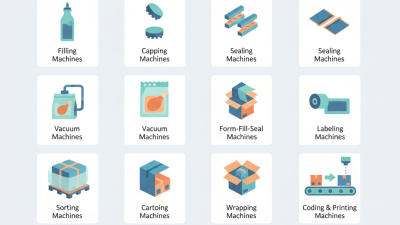
A process map of common equipment categories across a packaging line

The chart outlines common equipment functions included in the industry’s scope. Bar lengths indicate typical process order only—not market size, output, or market share. Actual line configurations vary by product and packaging requirements.

Criteria for Selecting the Top 10 Manufacturers

A useful comparison of packing equipment manufacturers should begin with evidence, not polished brochures. Check whether each company designs, builds, and tests its own machines. Ask for drawings, operating videos, and sample production data. A machine sealing cartons at a steady pace on a factory floor tells more than a catalogue image. Look closely at changeover time, reject rates, and access to parts that wear down. Small details matter.

Technical fit comes next. The equipment should match the product, package size, available floor space, and expected output. Ask how the manufacturer handles unusual package dimensions or future line changes. Request references from customers with similar production needs, then verify what support they received after installation. Response times matter. So does clear documentation. Safety features, operator training, and maintenance instructions should be easy to review. No scorecard is perfect. Some buyers may value low cost too heavily, while overlooking service delays or difficult cleaning. That trade-off deserves a second look. A fair assessment weighs performance, build quality, support, and total operating cost together.

Top 10 Packing Equipment Manufacturers in China - Criteria for Selecting the Top 10 Manufacturers

Use this evaluation framework to compare manufacturers. The weightings are suggested priorities, not measured company results. Score each criterion from 0 to 5 using documented evidence; calculate the weighted score as (score ÷ 5) × weight.

No. Selection Criterion Suggested Weight What to Evaluate Evidence to Request
1 Application and Product Fit 15% Whether the equipment suits the product, package format, required line speed, and operating environment. Technical proposal, product and package specifications, machine layout, and a sample-based test plan.
2 Quality Management 12% Documented quality controls for design, component sourcing, assembly, inspection, and corrective action. Current quality-system certificate, if applicable; inspection records; quality procedures; and a factory audit.
3 Safety and Regulatory Compliance 12% Machine guarding, emergency stops, electrical safety, risk assessment, and conformity with requirements for the destination market. Risk assessment, electrical diagrams, declarations or certificates where applicable, and test documentation for the supplied configuration.
4 Performance Validation 12% Demonstrated throughput, package quality, changeover performance, and operating stability under agreed test conditions. Factory acceptance test protocol and results, sample runs, and clearly stated test materials and conditions.
5 Customization and Line Integration 10% Ability to adapt machine configuration and connect with upstream and downstream equipment, controls, and site utilities. Interface list, line drawings, control-system scope, utility requirements, and responsibility matrix.
6 Installation, Training, and After-Sales Support 10% Availability and scope of commissioning, operator and maintenance training, troubleshooting, and warranty support. Service plan, response-time terms, warranty conditions, training agenda, and service coverage for the installation location.
7 Delivery and Project Management 8% Clarity of project milestones, design approvals, manufacturing schedule, testing, shipment, and commissioning dependencies. Project schedule, milestone definitions, progress-reporting method, and documented delay or change-control process.
8 Spare Parts and Maintainability 8% Access to recommended spare parts, maintenance instructions, wear-part identification, and practical service access. Spare-parts list with part numbers, recommended initial stock, maintenance schedule, and parts-ordering terms.
9 Relevant Project Experience 7% Experience with comparable products, package types, production conditions, and project complexity. Verifiable project references, equipment scope, commissioning records, and permission to contact references where available.
10 Total Cost of Ownership and Contract Clarity 6% Total purchase and operating costs, scope exclusions, payment terms, warranty coverage, and acceptance conditions. Itemized quotation, energy and consumables estimates where available, commercial terms, and a written acceptance-test agreement.
Total Weight 100% Compare manufacturers using the same requirements, evidence standards, and scoring method.

Profiles of Ten Leading Packing Equipment Manufacturers in China

Profiles of ten leading packing equipment manufacturers in China are most useful when compared by application, not by a single ranking. The field includes specialists in liquid filling, powder dosing, vertical form-fill-seal, flow wrapping, cartoning, case packing, palletizing, labeling, inspection integration, and complete line engineering. Their differences show up on the factory floor: nozzle accuracy, film tracking, changeover time, and how quickly operators can clear a jam. Small details matter.

Automation is shaping these capabilities. The International Federation of Robotics reported 276,288 industrial robot installations in China in 2023, equal to 51 percent of global installations in its World Robotics 2024 report. This figure covers industrial robots, not packing machines, so it should not be treated as a packaging-equipment sales measure. Still, it helps explain why robot-ready conveying and palletizing appear in many supplier portfolios. Buyers should compare tested output on their own products, available change parts, and local service response. Catalog speed can mislead. A gap often remains between a clean factory demonstration and a mixed-product production shift.

Key Equipment Types and Technologies Offered

Chinese packing equipment manufacturers typically offer complete lines, from product feeding to finished-carton handling. Common machines include liquid and powder fillers, cappers, labelers, cartoners, case packers, and palletizers. A small bottle line may use a servo-driven filler, a cap sorter, and a vision sensor to check label position. For bags or pouches, buyers may compare weighing accuracy, sealing temperature control, and film tracking. The right combination depends on product flow, container shape, and target speed.

Automation often combines PLC controls, touch screens, servo motors, sensors, and camera inspection. These technologies can reduce manual checks and help operators spot missed caps or crooked labels. Quick-change guides and tool-free adjustments also matter when package sizes vary. Still, a faster machine is not always a better fit. A polished factory test may not reflect real products, shifts, or cleaning routines. Ask to test your own containers and materials, and check how operators clear jams. Small details matter.

Tips: Compare output at your actual package size, not only the machine’s maximum speed. Request clear setup, cleaning, and maintenance instructions. Leave time for operator training; it is easy to underestimate.

How to Compare Manufacturers for Different Packaging Needs

Choosing a packaging equipment manufacturer starts with the product, not the machine catalog. A powder line needs dust control and accurate dosing; a liquid line needs consistent filling and easy cleaning. Cartons, pouches, and fragile items also require different sealing and handling features. Record package dimensions, target output, product behavior, and floor space before requesting quotes. Small details matter. A container that shifts on a conveyor can cause more downtime than a modest speed difference.

Compare manufacturers using the same sample product and acceptance criteria. Ask for a live trial, changeover times, reject rates, and the conditions behind quoted capacity. Request machine drawings, utility requirements, spare-parts lists, operator training, and a realistic service plan. Inspect guards, cleaning access, and whether routine adjustments require special tools. A polished demonstration helps, but it cannot predict every shift or material variation. That uncertainty deserves attention. Check references from plants with similar products and package formats, then compare operating costs, not just purchase prices. Some buyers over-specify. Yet cheaper equipment can become costly when changeovers are frequent or support is slow.