Which Is the Best Vegetable Packaging Machine in 2026?
Choosing the best vegetable packaging machine in 2026 starts with the produce, not the brochure. Leafy greens bruise easily, while root vegetables can arrive with soil and uneven sizes. Those differences affect feeding, weighing, sealing, and cleaning. A machine that handles firm carrots smoothly may struggle with delicate spinach. Small details matter.
This guide compares equipment by practical needs: package style, target output, available floor space, changeover time, and access to cleaning points. It also looks at weighing accuracy, seal consistency, and how well a machine fits an existing line. A clear film seal and steady feed can reduce rework, but only when settings suit the crop and packaging material. Faster is not always better.
Operators’ experience deserves attention. Ask how the machine behaves during a real production run, not just a short demonstration. Check which components need routine adjustment, and confirm that local technical support is available. A supplier’s claims should be checked against product trials and documented specifications. One honest limitation: no single vegetable packaging machine suits every farm or processor. This comparison aims to clarify the trade-offs, while recognizing that the best choice still depends on your products, team, and daily production conditions.
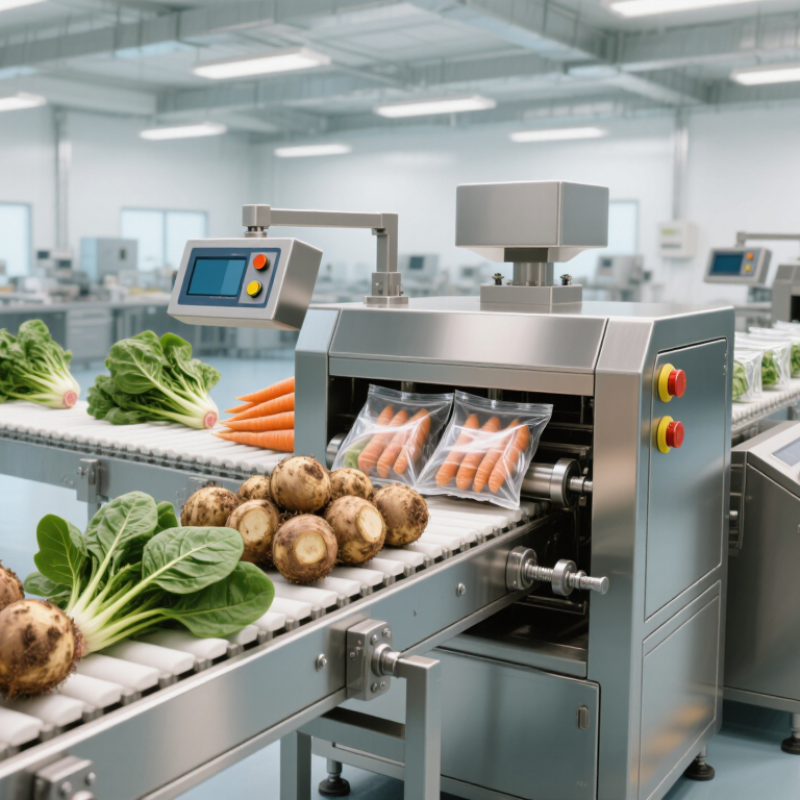
Define the Packaging Brief: Crop, Pack Format, Throughput, and Storage Conditions
A useful vegetable-packaging brief starts with the crop, not a machine catalog. Leafy greens bruise and wilt easily; carrots tolerate firmer handling but bring soil and moisture into the line. Record the crop’s size range, surface condition, and seasonal variation. Then define the pack: loose produce, net bags, trays, or sealed film each calls for different feeding and sealing equipment. Small details matter. FAO’s 2019 report, The State of Food and Agriculture, estimated that 14% of food was lost between harvest and retail worldwide. That figure covers all food groups, not vegetables alone, but it shows why gentle transfer and reliable seals deserve attention.
Specify normal and peak output in packs per minute, plus changeover time and staffing. A quoted speed can look impressive while ignoring interruptions, rejects, and refill pauses. Measure a real shift if possible. That assumption can be wrong. The USDA Agriculture Handbook 66 describes how produce storage requirements vary by commodity, so state the intended temperature, humidity, and storage duration before selecting film or seal settings. A bag that works in a cool room may fog or weaken in a warmer distribution chain. Include a simple acceptance test: pack representative produce, hold it under expected conditions, then inspect seals, condensation, bruising, and product weight. Keep the results, even when they are messy.
Which Is the Best Vegetable Packaging Machine in 2026? - Define the Packaging Brief: Crop, Pack Format, Throughput, and Storage Conditions
| Crop | Typical pack format | Suitable machine configuration | Indicative throughput | Typical post-pack storage conditions | Brief details to confirm |
|---|---|---|---|---|---|
| Leafy greens Spinach, lettuce, salad leaves |
Perforated or microperforated bags; pillow bags; salad trays | Gentle product feeding with a vertical form-fill-seal machine, or a tray-loading and sealing line | About 10–30 bags per minute for a typical automated line | Near 0–5°C with high relative humidity; maintain the required cold chain and avoid freezing | Specify whether leaves are whole or cut, washed or unwashed, wet or dry at packing, and the required gas and film permeability. |
| Tomatoes | Rigid or ventilated punnets; trays with film; protective cartons | Weighing and punnet-filling system with gentle handling; tray sealer or flow wrapper as needed | About 10–30 packs per minute, depending on pack size and feeding method | Temperature depends on maturity and variety; avoid chilling-sensitive temperatures. Mature-green fruit is commonly held around 12.5–15°C. | Confirm fruit size, stem-on or stem-off presentation, bruise sensitivity, target weight, and whether ventilation or modified-atmosphere packaging is required. |
| Carrots | Retail bags; flow-wrapped bunches; vented bags | Multihead weigher with vertical form-fill-seal machine; bunches may use a flow wrapper | About 15–40 bags per minute for a multihead-weighed line | Approximately 0–1°C and high relative humidity for long-term storage; prevent moisture loss and condensation in packs. | Define washed or unwashed product, loose or bunched format, size range, target pack weight, and the need for drainage or ventilation. |
| Broccoli | Flow-wrapped heads; bags; trays or cartons | Gentle infeed with a flow wrapper, bagging system, or manual/automated tray-loading station | About 8–25 packs per minute, depending on head size and degree of automation | Near 0°C with high relative humidity; rapid cooling and consistent refrigeration help preserve quality. | Confirm head dimensions, stem trimming, loose or bundled presentation, and whether the pack needs perforation for moisture and gas exchange. |
| Potatoes | Woven or paper sacks; net bags; retail film bags | Bulk hopper and weighing system with open-mouth bag filling, net-bagging, or vertical form-fill-seal equipment | About 15–40 bags per minute, depending on bag weight and handling setup | Storage temperature depends on intended use; table potatoes are commonly stored around 7–10°C in dark, ventilated conditions. | Specify washed or unwashed tubers, size grading, bag weight, allowable drop height, and whether the product is for table, seed, or processing use. |
| Mushrooms | Vented punnets with lidding film; trays; paper-based packs | Gentle punnet denester and loader with a lidding or tray-sealing machine | About 10–30 packs per minute, subject to manual or automated loading | Approximately 0–2°C with high relative humidity; avoid free moisture and temperature fluctuations. | Confirm mushroom type, cap size, desired orientation, pack weight, ventilation needs, and how easily the product bruises. |
| Cucumbers | Flow-wrapped individual cucumbers; bags; trays | Flow wrapper for individual units, or a weighing and bagging system for multi-piece packs | About 10–30 packs per minute, depending on product orientation and pack format | Generally around 10–12.5°C with high relative humidity; cucumbers are sensitive to chilling at lower temperatures. | Specify cucumber length and diameter, waxed or unwaxed surface, individual or multipack sale, and film requirements. |
Throughput figures are indicative planning ranges, not guaranteed machine ratings. Actual output depends on product size and condition, pack weight, feeding method, changeovers, operator input, and line layout. Storage conditions are commodity-specific guidance and should be validated for the crop variety, maturity, packaging, and distribution plan.
Related Posts
-
7 Tips for Choosing a Vegetable Packaging Machine
-
Why is a Vegetable Packaging Machine Essential for Modern Food Processing?
-
Top 10 Vegetable Packaging Machines You Need to Know?
-
2025 Top Trends in Fresh Harvester Technology and Innovations
-

How to Use a Process Harvester for Efficient Resource Management
-
2026 Best Packaging Machine for Small Business?