7 Tips for Choosing a Vegetable Packaging Machine

Fresh vegetables are fragile products. Their moisture, shape, and surface quality can change within hours. A suitable vegetable packaging machine must protect freshness while maintaining stable production speed.

The Food and Agriculture Organization reported that approximately 13.2% of global food is lost between harvest and retail. Packaging cannot solve every loss, but it can reduce bruising, dehydration, contamination risks, and handling damage. The 2024 UNEP Food Waste Index also estimated 1.05 billion tonnes of food were wasted in 2022. These figures make equipment selection more than a purchasing decision. It becomes a practical quality and sustainability issue.

The right machine should match the vegetable, package format, operating environment, and available labor. Leafy greens may need gentle conveying and modified-atmosphere control. Root vegetables may require stronger sealing and more durable feeding systems. PMMI industry reports continue to highlight automation, flexible packaging, and data visibility as important investment directions. However, newer technology is not automatically better. A sophisticated machine can still perform poorly when its film system, sensors, or cleaning design does not suit the product.

This guide presents seven practical tips for choosing a vegetable packaging machine. It considers sealing accuracy, sanitation, changeover time, throughput, energy use, maintenance, and supplier support. Small details matter. A difficult-to-clean conveyor can quietly increase downtime. A fast filler can create unnecessary product waste. No machine is perfect. Buyers should test real vegetables, record results, question optimistic capacity claims, and leave room for human judgment.
7 Tips for Choosing a Vegetable Packaging Machine

Define the Vegetable Type, Size, and Freshness Requirements

Before choosing a vegetable packaging machine, define the crop precisely. Leafy spinach bruises easily and releases moisture quickly. A firm carrot needs different handling, cutting, and sealing pressure. Size also matters, especially for mixed batches. Measure length, width, weight, and surface shape from real harvests. This sounds basic. Yet many purchasing errors begin here.

Freshness requirements should guide the packaging process. Record whether the vegetables arrive crisp, washed, damp, or pre-cooled. Tender lettuce may require gentle feeding and ventilation to prevent wilting. Root vegetables often tolerate stronger conveying and tighter seals. Ask for trials using your own produce, not only clean samples supplied for demonstrations. Actual crops reveal uneven sizes, soil residue, and fragile leaves. I once underestimated moisture variation in freshly washed greens. The result was slower sealing and occasional condensation.

Define the expected shelf life and storage temperature before comparing machine features. High-moisture vegetables may need breathable film or modified atmosphere control. However, excessive sealing can trap water and damage freshness. Check seal strength, film compatibility, cleaning access, and product-contact materials. Keep trial records with speed, rejection rates, temperature, and package weight. A small test run often provides more reliable evidence than a polished specification sheet. Review the results with production and food-safety staff before making a final decision.
7 Tips for Choosing a Vegetable Packaging Machine

Define the Vegetable Type, Size, and Freshness Requirements

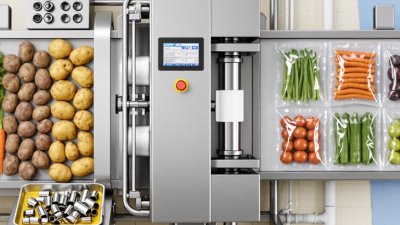
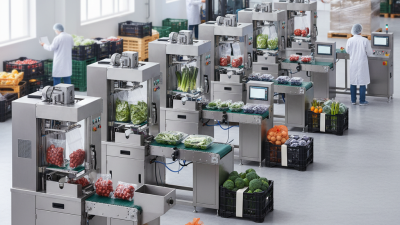
Vegetable shape, portion size, moisture level, and required freshness period strongly influence the choice of weighing, filling, sealing, and modified-atmosphere packaging equipment.

The chart shows typical retail pack-size examples commonly used for fresh vegetables. Leafy greens are often packed in smaller portions, while broccoli, baby carrots, and cut vegetables commonly use larger packs. Before selecting a machine, verify the actual product dimensions, target weight, fragility, moisture, ventilation needs, sealing material, production speed, and required shelf life.

Match the Machine with Your Packaging Materials and Formats

7 Tips for Choosing a Vegetable Packaging Machine

Match the machine to your film, pouch, tray, or carton before comparing speed. Tip 1: test the actual packaging material. Recyclable films may seal within a narrower temperature range. Tip 2: confirm format flexibility. A machine designed for pillow bags may not handle stand-up pouches reliably. Small differences matter.

Tip 3: measure vegetable moisture and shape. Wet spinach can contaminate sealing jaws, while sharp carrots may puncture thin film. Tip 4: check sealing pressure, gas flushing, and product handling. A strong seal is useless if leaves are crushed. Tip 5: request trials using your real harvest, not clean laboratory samples. Real vegetables vary. They are messy.

The FAO’s The State of Food and Agriculture 2019 estimated that 14% of food is lost between harvest and retail. The UNEP Food Waste Index Report 2024 estimated 1.05 billion tonnes of food waste in 2022. Suitable packaging equipment can reduce damage, leakage, and handling losses, but it cannot correct poor material selection. Tip 6: compare sanitation access, washdown design, and changeover time. Tip 7: calculate output using practical uptime, not brochure speed. The first calculation may be wrong. Recheck labor, film waste, rejected packs, and maintenance intervals before purchasing.

Evaluate Speed, Capacity, and Production Line Compatibility

Choosing a vegetable packaging machine starts with the production line, not the brochure. Evaluate speed, capacity, and compatibility together. A machine rated for 60 packs per minute may produce fewer usable packs in daily operation. Wet leaves, uneven carrots, and frequent product changes can slow feeding. Measure actual output during a full trial, including loading, sealing, inspection, and cleanup. Watch for jams near the infeed conveyor. Small delays become expensive over several shifts. Leave room for variation.

Capacity needs a practical definition. Check hopper volume, weighing range, film roll size, and waste levels. A large hopper may reduce refilling, but it can damage delicate vegetables through pressure. Ask whether the machine maintains accuracy when product size changes. Record average weight, rejected packs, and changeover time. These figures reveal more than maximum speed. Fast is not always productive.

Production line compatibility deserves equal attention. Confirm conveyor height, feeding direction, electrical requirements, drainage, and available floor space. The machine should communicate correctly with upstream washers and downstream checkweighers. Emergency stops and sensor signals must work across the line. Request a test using your real vegetables and packaging materials. A short demonstration can hide problems. I have seen teams approve equipment before checking cleaning access, then lose hours during sanitation. That oversight is avoidable, but it still happens. Review the layout with operators before making the final decision.

Check Hygiene, Safety, Maintenance, and Ease of Operation

7 Tips for Choosing a Vegetable Packaging Machine

Check Hygiene, Safety, Maintenance, and Ease of Operation

Tip 1: Inspect every food-contact surface. Stainless steel, rounded corners, and open frames reduce residue traps. The 2022 FDA Food Code emphasizes cleanable equipment and hygienic food-contact areas. Tip 2: Ask for realistic washdown guidance. A machine that looks clean may still hide moisture beneath belts. WHO estimates that contaminated food causes about 600 million illnesses annually, so hygiene cannot be treated as decoration.

Tip 3: Check guards, emergency stops, and interlocks during a live demonstration. Operators should reach controls without entering hazardous zones. Tip 4: Examine maintenance access, lubrication points, and spare-part availability. The FAO’s 2019 food-loss report estimates that 14% of food is lost between harvest and retail. Preventable downtime can increase that waste, especially when leafy vegetables spoil quickly. Tip 5: Measure cleaning and changeover time, not just output speed. Faster is not always better.

Tip 6: Choose simple controls with clear alarms and recipe settings. New operators should learn basic tasks without constant supervision. Tip 7: Test the machine with your actual vegetables, moisture levels, and packaging sizes. One uncomfortable lesson: factory demonstrations often use ideal produce. Real carrots bend, lettuce sheds leaves, and imperfect calibration creates waste. Record sealing quality, product damage, noise, and cleaning effort before deciding. A minor inconvenience today may become a daily maintenance problem.

Compare Costs, Automation Features, and Supplier Support

7 Tips for Choosing a Vegetable Packaging Machine

Tip 1: Compare the full purchase cost, not only the listed price. Include installation, training, spare parts, electricity, and routine cleaning. A cheaper machine may require more labor and repairs. Tip 2: Calculate total ownership costs over three to five years. Record expected output, such as 1,000 kilograms per hour, and compare realistic figures. Tip 3: Check whether the machine suits your vegetables. Leafy greens, potatoes, and carrots need different handling speeds and feeding systems.

Tip 4: Examine automation features carefully. Automatic weighing, bag forming, sealing, and reject detection can reduce repetitive work. However, more automation is not always better. Operators still need clear controls and a reliable manual override. Tip 5: Request a practical demonstration using your produce. Watch for bruising, uneven filling, film waste, and inconsistent seals. I once saw a fast line create costly product damage, which changed the buying decision.

Tip 6: Evaluate supplier support before signing. Ask about response times, remote troubleshooting, technician availability, and spare-part stock. Written service terms are more dependable than friendly promises. Tip 7: Speak with current users and inspect maintenance records when possible. Ask how quickly faults are resolved during peak harvest periods. Supplier training should cover sanitation, adjustments, safety checks, and basic fault finding. Do not overlook documentation. A clear manual can save hours when the production floor is busy.

7 Tips for Choosing a Vegetable Packaging Machine - Compare Costs, Automation Features, and Supplier Support

Selection Tip Best-Fit Vegetable Applications Typical Machine Format Indicative Throughput Automation Features to Compare Indicative Equipment Cost* Supplier Support Checklist
1 Match the machine to the product Leafy greens, broccoli, cauliflower, carrots, onions, peppers, potatoes, and mixed vegetables Weighing, vertical form-fill-seal, tray sealing, flow wrapping, or net-bagging equipment Generally 10–60 packs per minute, depending on product size, pack weight, and format Product-contact design, gentle conveying, adjustable dosing, recipe storage, and quick-change parts Approximately US$8,000–US$80,000 for a single primary machine Confirm product trials, sample-pack testing, changeover instructions, and compatibility with the required film, tray, or net
2 Compare total cost, not only purchase price Suitable for both small processors and high-volume packing operations Semi-automatic systems versus integrated automatic lines with conveyors, scales, sealers, and checkweighers Semi-automatic: often 5–20 packs per minute; automatic lines: commonly 30–100+ packs per minute Labor reduction, automatic feeding, reject handling, film control, energy consumption, and spare-parts cost Budget for installation, shipping, training, tooling, utilities, maintenance, and consumables in addition to the machine price Request a five-year ownership estimate that separates capital cost, labor, maintenance, utilities, packaging materials, and downtime risk
3 Select automation according to production volume Seasonal farms, contract packers, retail suppliers, and continuous-processing facilities Manual loading, semi-automatic weighing, or fully automatic multihead weighing and packing systems Low-volume operations may need fewer than 15 packs per minute; high-volume lines may exceed 60 packs per minute PLC controls, touchscreen recipes, automatic weighing, servo drives, synchronized conveyors, and remote diagnostics Semi-automatic equipment usually has a lower entry cost; fully integrated automation typically requires a substantially higher investment Check whether software updates, troubleshooting, operator training, and remote assistance are included or charged separately
4 Verify weighing and portion accuracy Pre-packed potatoes, carrots, onions, leafy greens, cut vegetables, and mixed-product packs Linear weigher, multihead weigher, volumetric filler, or combination weighing system Accuracy depends on product shape, moisture, target weight, and weighing technology Digital load cells, automatic compensation, target-weight adjustment, statistical reports, and checkweighing Checkweighing and advanced multihead systems increase the investment but can reduce giveaway and underweight risk Ask for documented test results using the actual vegetable varieties, pack sizes, moisture levels, and target weights
5 Assess hygiene and cleaning requirements Fresh-cut vegetables, leafy greens, washed produce, and products requiring frequent sanitation Stainless-steel conveyors, sanitary weighers, tray sealers, flow wrappers, or vertical baggers Cleaning time and changeover frequency can affect available production hours as much as rated speed Tool-less access, sloped surfaces, open-frame construction, removable contact parts, drainage, and washdown suitability Sanitary construction and washdown-rated components may raise initial cost but can reduce cleaning labor and contamination risk Confirm the cleaning method, ingress-protection rating, food-contact materials, spare seal availability, and sanitation documentation
6 Check packaging-material flexibility Different retail weights, recyclable films, compostable films, trays, pouches, and modified-atmosphere packs Flow wrapper, vertical bagger, tray sealer, lidding machine, or modular packaging cell Speed varies with film width, seal pattern, pack dimensions, gas-flushing needs, and product presentation Adjustable forming collars, servo film tracking, gas flushing, seal-temperature control, date coding, and recipe recall Additional tooling, gas-flushing equipment, printers, seal inspection, and format parts add to the project cost Test every intended material before purchase and obtain written limits for film thickness, seal temperature, tray size, and pack dimensions
7 Evaluate supplier service and spare-parts support Any vegetable operation where uptime, food safety, and seasonal delivery schedules are critical Stand-alone machine, modular line, or complete system supplied with commissioning and integration services Compare guaranteed output under defined test conditions rather than relying only on the nominal machine speed Service alerts, spare-parts inventory, remote support, preventive-maintenance schedules, and operator access controls Include installation, commissioning, warranty coverage, travel charges, annual service, and critical spare parts Request response-time commitments, local technician coverage, parts lead times, training scope, warranty exclusions, and references from similar facilities

*Cost figures are broad, non-brand-specific planning ranges in U.S. dollars. Actual prices vary by machine configuration, capacity, hygienic design, packaging format, automation level, installation requirements, and region. Obtain itemized quotations and product trials before making a purchase decision.