What Is an Automatic Packing Machine and How Does It Work?

An automatic packing machine is a production system that measures, fills, seals, labels, or groups products with limited manual handling. It can process food, medicine, household goods, and industrial items under controlled operating conditions. The exact process depends on the product, package material, speed target, and quality requirements.

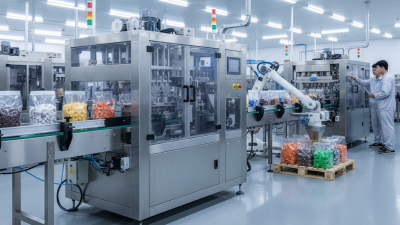
PMMI President and CEO Jim Pittas has described automation as “a critical tool for manufacturers facing labor shortages and rising production demands.” His observation reflects what operators see on factory floors. A modern automatic packing machine may use sensors, conveyors, servo motors, programmable logic controllers, and vision systems. These components coordinate each movement. A pouch arrives. The machine opens it, dispenses a measured quantity, checks the seal, and sends it forward. Small timing errors can still create waste.

The machine does not simply replace people. Skilled workers configure recipes, inspect seals, clean contact areas, and respond to alarms. They also verify whether the packaging protects the product during storage and transport. This human oversight remains essential. Automation improves consistency, but it cannot correct poor product design or careless maintenance.

The process is impressive, yet not flawless. A misaligned film roll may wrinkle every pouch. A dirty sensor may stop an otherwise healthy line. Understanding how an automatic packing machine works helps buyers compare equipment realistically. It also encourages better decisions about safety, hygiene, changeover time, energy use, and long-term support. The best system is rarely the fastest one. It is the one that performs reliably in the real workplace.
What Is an Automatic Packing Machine and How Does It Work?

What Is an Automatic Packing Machine?

An automatic packing machine is equipment that fills, weighs, seals, labels, or groups products with limited human handling. It can process pouches, cartons, bottles, trays, or bags. Sensors check product position, while programmable controls coordinate conveyors, feeders, sealing jaws, and printers. A typical cycle looks simple: feed, measure, pack, seal, inspect, and discharge.

The equipment does not “think” like a person. It follows programmed conditions and reacts to sensor signals. For example, a photoelectric sensor detects an empty pouch, then pauses filling to prevent waste. A load cell can verify weight before sealing. Operators still load materials, adjust settings, remove rejected packs, and respond to alarms. Small mistakes matter. A loose film roll can create wrinkles, leaks, and unexpected downtime.

Industry data shows why this technology is receiving attention. PMMI reported U.S. packaging machinery shipments of about $10.2 billion in 2023, reflecting continued investment in automated production. The International Federation of Robotics recorded 541,302 industrial robot installations worldwide in 2023, a 10% annual increase. Not every packing machine uses a robot, but the trend is clear. Automation is expanding beyond large factories.

Performance depends on product shape, packaging material, speed, and maintenance quality. A machine rated for 100 packs per minute may run slower with fragile products. That difference is often overlooked. Skilled setup remains essential.

What Are the Main Components of an Automatic Packing Machine?

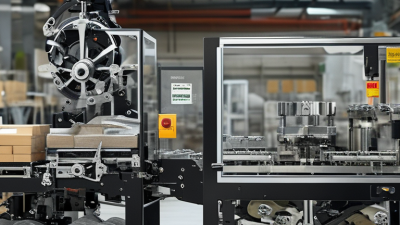
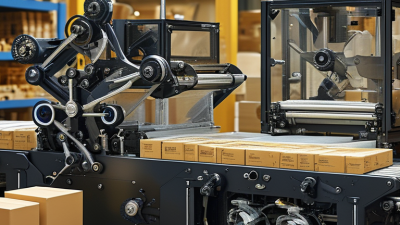
An automatic packing machine fills, forms, seals, and discharges products with limited operator handling. Its product hopper stores material before controlled feeding begins. A weigh system or volumetric cup measures each portion. The feeder then moves the product into the forming area. A film roll, forming collar, and guide rollers shape flexible packaging around the product. The machine’s frame must remain stable during repeated cycles.

The sealing unit uses heated jaws or ultrasonic tools to close the package. A cutter separates each finished bag with consistent spacing. Sensors check film position, product flow, and seal timing. A programmable controller coordinates these signals through the control panel. Conveyors carry completed packs to inspection or collection points. In practical use, small sensor errors can create large waste. Operators should inspect seals, alignment, and material tension during production.

Tips: Keep the product path clean and dry. Check temperature settings before running a full batch. Use a short test cycle first. Do not ignore unusual vibration. It may indicate loose guides, uneven loading, or worn sealing parts. The best setup is not always the fastest one. Stable feeding usually improves accuracy, seal quality, and machine life. Record adjustments carefully, because a setting that works today may change with product moisture, size, or film thickness.

How Does the Automatic Packing Process Work Step by Step?

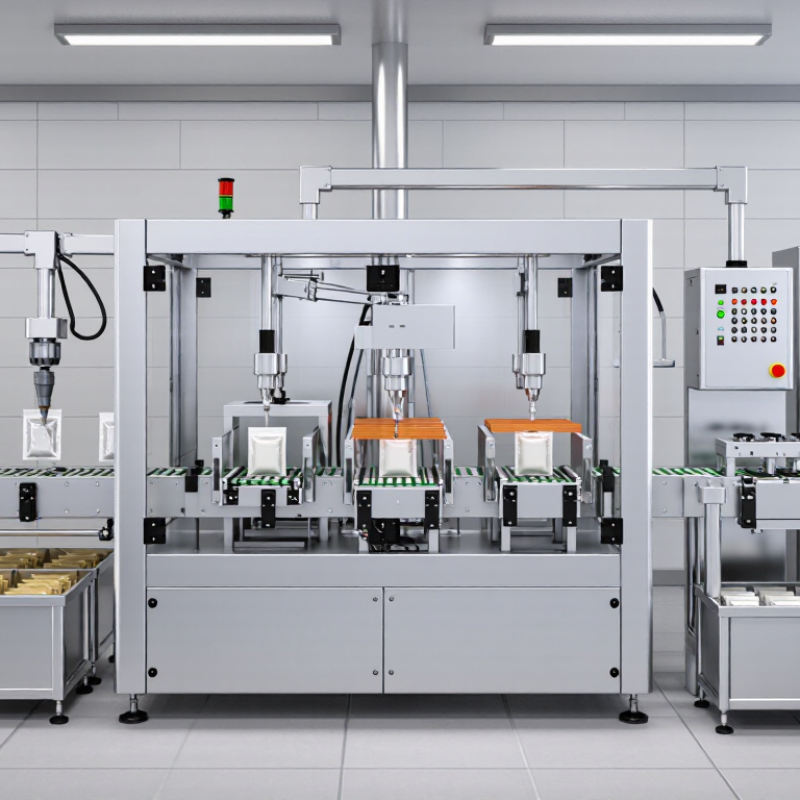
An automatic packing machine turns a measured product into a sealed, labeled pack with limited manual handling. The process starts when an operator loads film, cartons, pouches, or containers into the machine. Sensors check material position, while a programmable controller coordinates each movement. A feeding system then delivers a controlled product quantity. This may involve a weigh hopper, counting unit, or volumetric cup.

The sequence is tightly timed. The package forms around the product, and sealing jaws apply heat and pressure. A cutter separates the finished pack. Vision sensors can inspect seal placement, print quality, and missing components. Rejected packs move into a separate collection area. Finally, a conveyor transfers approved units for case packing or palletizing.

Small errors still matter.

The International Federation of Robotics reported 541,302 industrial robot installations worldwide in 2023, showing how automation is expanding across manufacturing. Packaging operations increasingly connect robots, sensors, and data systems to reduce repetitive handling. PMMI industry research also identifies labor availability and automation needs as important packaging investment drivers. However, speed is not the only measure of performance. Poor calibration can cause underfilled packs, weak seals, or unnecessary material waste. Operators must check temperature, pressure, timing, and product flow during production. In real facilities, the smoothest cycle often requires adjustment rather than blind trust in factory settings.

Which Products and Packaging Formats Can It Handle?

An automatic packing machine can handle many products, but its performance depends on product behavior and package design. Powders such as flour, spices, and detergent need controlled dosing to limit dust. Granules, coffee beans, rice, and pet food usually require weighing or volumetric filling. Liquids, sauces, and creams need pumps that match their thickness. Fragile snacks need gentle handling to prevent breakage.

Common formats include pillow bags, sachets, stick packs, stand-up pouches, and preformed bags. Some systems also fill jars, bottles, trays, or cartons. Film width, seal type, bag length, and closure style must match the machine. A product that flows easily may run smoothly, while a sticky powder can slow production and weaken seals. Small changes in humidity can matter. This is where specifications can look better than reality.

Tips: Test the actual product before purchase. Check fill accuracy, sealing strength, changeover time, and cleaning access. Ask for samples using your intended film and package size. Operators should also inspect dust, leaks, and damaged products during a full production trial. A machine may handle ten formats in theory, yet frequent adjustments can make that flexibility less useful. Careful trials reveal those limits early.

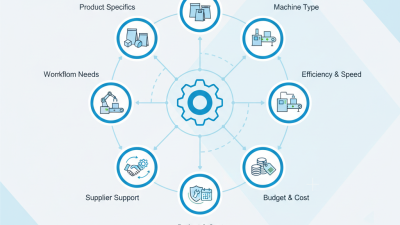
What Factors Should Guide Machine Selection and Use?

An automatic packing machine measures, fills, seals, and releases products with limited operator input.

Its sensors track product flow, while programmed controls coordinate each movement. Selection should begin with the product, not the machine’s advertised speed. Powder, liquid, fragile goods, and irregular pieces need different feeding systems.

Product density and moisture can change performance during a shift. Small details matter.

Package material also guides the choice.

Film thickness, pouch size, seal temperature, and closure style must match the equipment. Ask for trials using the actual product and packaging.

A clean, stable sample reveals jams, weak seals, and inaccurate fills. Required output should include normal demand, not an optimistic peak. Leave room for change.

A machine running at maximum speed may create more waste and operator pressure. Floor space, electrical supply, compressed air, and noise levels deserve measurement before installation.

Reliable use depends on training and routine checks.

Operators should understand alarms, safe stopping procedures, cleaning points, and adjustment limits. Maintenance access is practical evidence of good design.

If a seal bar is difficult to reach, inspections may be skipped. That is a real weakness.

Check fill accuracy, seal strength, reject rates, and downtime records. Keep spare wear parts available, but do not replace parts by guesswork. Review data after the first weeks.

Early results can expose a poor setting or a poor assumption. The cheapest option may not be the most economical one. Yet the most sophisticated machine can also be excessive for a simple, steady task.