Top Packaging Machine Manufacturers in China?

China’s packaging equipment sector deserves closer examination. China Packaging Federation statistics place the country’s packaging-industry output above RMB 2 trillion in recent years. The scale is impressive. However, output value does not automatically prove machine quality. Buyers still need reliable testing, transparent specifications, and responsive technical support.

PMMI’s 2024 State of the Industry report recorded North American packaging machinery shipments at roughly US$10 billion in 2023. This figure shows continuing investment in automation, faster changeovers, and labor-saving systems. Interact Analysis also identifies food, beverage, pharmaceuticals, and personal care as major forces shaping global packaging machinery demand. These trends help explain China’s expanding manufacturer base. They also make comparisons more complicated.

As PMMI market-development executive Jorge Izquierdo has stated, “Automation must solve a business problem, not simply add technology.” That principle should guide any package machine shortlist. A lower purchase price may hide expensive downtime, difficult cleaning, or limited spare-parts support. Real factory experience matters. Ask how a machine performs after twelve months, not only during a polished demonstration.

This guide examines leading Chinese manufacturers through practical criteria. These include engineering capability, certification, installation records, customization, energy use, and after-sales service. It also considers whether suppliers publish meaningful performance data. No ranking is perfect. Some smaller companies may outperform famous brands in a narrow application. That possibility deserves attention. Reliable selection requires more than catalog photos, impressive factory tours, or optimistic sales promises.
Top Packaging Machine Manufacturers in China?

Definition and Scope of Packaging Machine Manufacturers in China

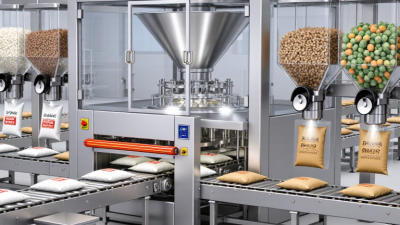
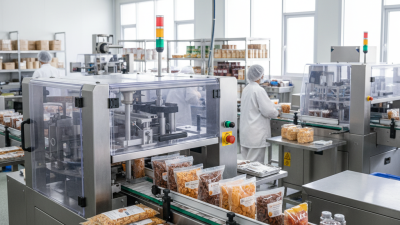
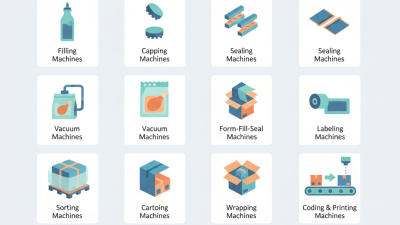
In China, packaging machine manufacturers are companies that design, produce, test, and support equipment used to prepare products for distribution. Their work may cover filling, sealing, labeling, wrapping, cartoning, and palletizing systems. Some build standard machines, while others develop integrated lines for food, medicine, cosmetics, chemicals, and general consumer goods.

The scope extends beyond factory production. A reliable manufacturer should provide layout planning, material compatibility checks, installation guidance, operator training, spare parts, and maintenance support. Technical proof matters. Buyers should review factory records, test procedures, electrical documentation, and performance data from similar applications. A polished website is not enough. The definition can be blurred, because some suppliers assemble imported modules rather than manufacture complete machines. That detail deserves careful questioning.

Tips: Ask for a live trial using your actual containers, films, powders, or liquids. Check changeover time and cleaning access. Confirm output under realistic conditions, not only laboratory speed. Request clear warranty terms and response times. Small omissions become expensive later. Also, inspect safety guarding, emergency stops, documentation, and operator controls. Local service capacity may matter more than a low initial quotation, especially when production schedules are tight. My practical view is simple: compare verified capability, not impressive promises.

Key Types of Packaging Machines Produced in China

China produces a wide range of packaging machines for food, beverages, cosmetics, household goods, and regulated products. Vertical form-fill-seal machines create bags from film rolls and handle powders, granules, and snacks. Horizontal form-fill-seal machines suit bars, trays, and individually wrapped items. Premade pouch machines offer flexible filling, sealing, and optional zipper closing.

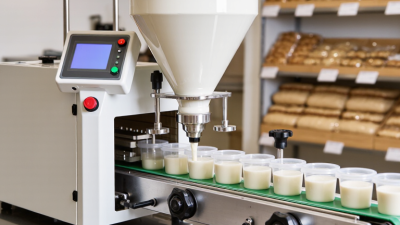
Liquid filling machines manage products such as sauces, oils, and personal-care liquids. Piston, pump, and flow-meter systems provide different accuracy levels. Powder fillers use augers, while multihead weighers measure solid pieces quickly. Cup fillers and thermoforming machines support portioned products. Cartoning, labeling, case packing, and pallet-wrapping equipment connect these operations into larger production lines.

Practical evaluation matters more than a polished brochure. Check changeover time, seal strength, cleaning access, sensor stability, and spare-part availability. Stainless steel construction helps with hygiene, but it does not guarantee dependable operation. Servo drives can improve precision, yet poor programming still creates waste. I have seen machines run smoothly during demonstrations and struggle with real film, uneven products, or humid rooms. Factory acceptance tests should use the buyer’s materials and target speed. Operators also need clear controls and usable maintenance instructions. No machine fits every factory. Sometimes a simpler system performs better because workers can adjust it quickly.

Top Packaging Machine Manufacturers in China? - Key Types of Packaging Machines Produced in China

Machine Type Primary Packaging Function Common Package Formats Typical Products Common Industries Important Selection Criteria
Vertical Form-Fill-Seal Machines Forms bags from a roll of flexible film, fills the product, and seals the package. Pillow bags, gusseted bags, block-bottom bags, and sachets. Snacks, grains, powders, granules, frozen foods, and pet food. Food, agriculture, chemicals, and consumer goods. Filling accuracy, film compatibility, sealing performance, and required output.
Horizontal Form-Fill-Seal Machines Creates, fills, and seals flexible packages in a horizontal production process. Pillow packs, three-side-seal pouches, four-side-seal pouches, and sachets. Biscuits, confectionery, medical products, hardware, and household items. Food, pharmaceuticals, healthcare, and general manufacturing. Product dimensions, sealing material, changeover time, and integration options.
Premade Pouch Packing Machines Opens premade pouches, fills them, and seals them automatically. Stand-up pouches, flat pouches, zipper pouches, and spouted pouches. Sauces, liquids, powders, snacks, pet treats, and ready-to-eat foods. Food, beverages, cosmetics, chemicals, and personal care. Pouch size range, zipper or spout handling, filling system, and sealing quality.
Liquid Filling and Capping Machines Measures liquids into containers and applies or tightens closures. Bottles, jars, cans, vials, and containers with screw or snap caps. Water, beverages, sauces, oils, detergents, and liquid medicines. Beverages, food, cosmetics, pharmaceuticals, and chemicals. Viscosity, foaming behavior, filling accuracy, container shape, and hygiene requirements.
Powder Filling Machines Doses dry powders into bags, pouches, bottles, jars, or other containers. Sachets, pouches, jars, bottles, and composite containers. Flour, milk powder, spices, coffee, detergents, and pharmaceutical powders. Food, pharmaceuticals, chemicals, and household products. Powder flowability, auger or volumetric dosing, dust control, and dose accuracy.
Granule and Weighing Packing Machines Weighs or counts granular products before filling and sealing packages. Pouches, bags, jars, bottles, and cartons. Rice, seeds, nuts, candy, hardware pieces, and tablets. Food, agriculture, pharmaceuticals, and hardware manufacturing. Multihead weighing accuracy, product size, target weight, and product fragility.
Cartoning Machines Erects cartons, inserts products, and closes cartons using tuck-in or adhesive sealing. Folding cartons, sleeve cartons, and small shipping cartons. Bottles, sachets, tubes, blister packs, and small consumer products. Pharmaceuticals, food, cosmetics, and consumer goods. Carton dimensions, insertion method, product orientation, and coding requirements.
Case Packing and Box Packing Machines Groups primary packages into transport cases or corrugated shipping boxes. Wraparound cases, regular slotted cases, trays, and top-load boxes. Bottles, cans, cartons, pouches, and multipacks. Beverages, food, household chemicals, and industrial products. Case size, packing pattern, product stability, line speed, and palletizing compatibility.
Wrapping and Overwrapping Machines Wraps individual products or grouped items with film or paper-based materials. Flow wraps, bundle wraps, tray overwraps, and shrink-wrapped packs. Confectionery, bakery products, tissue products, stationery, and household goods. Food, consumer goods, printing, and light manufacturing. Product dimensions, film type, appearance, sealing temperature, and shrink requirements.
Vacuum and Modified Atmosphere Packaging Machines Removes air and may replace it with a controlled gas mixture before sealing. Vacuum pouches, tray packs, and gas-flushed trays. Meat, seafood, cheese, prepared foods, and other perishable products. Food processing, catering, and cold-chain distribution. Vacuum level, gas control, package barrier properties, seal integrity, and sanitation.
Palletizing and Stretch-Wrapping Machines Arranges finished cases on pallets and stabilizes loads with stretch film. Layer-palletized cases, wrapped pallets, and transport-unit loads. Cartons, cases, bags, drums, and bundled industrial products. Food, beverages, chemicals, building materials, and logistics. Load dimensions, pallet pattern, payload weight, film consumption, and warehouse layout.

Note: Actual machine configuration, capacity, automation level, and packaging material compatibility vary according to the product, package size, production environment, and applicable safety or hygiene requirements.

Leading Chinese Packaging Machine Manufacturers by Industry

China’s packaging machine manufacturers are increasingly organized by industry, not only by machine type. Mordor Intelligence estimates China’s packaging machinery market at roughly US$10 billion in 2024, with continued growth expected through 2029. Food and beverage suppliers commonly build vertical form-fill-seal systems, multihead weighers, liquid fillers, and case packers. These machines must handle dust, moisture, frequent product changes, and high daily output.

Pharmaceutical manufacturers require tighter control. Leading Chinese suppliers in this sector typically offer blister lines, cartoners, serialization interfaces, and cleanable stainless-steel designs. Documentation matters as much as speed. Factory acceptance tests, batch records, and calibration reports help buyers verify performance. The International Society for Pharmaceutical Engineering highlights risk-based validation as a core practice for regulated production. Traceability matters.

Cosmetics and personal-care producers often need flexible filling, capping, labeling, and vision inspection equipment. E-commerce packaging creates another demand: compact machines with rapid size changes and lower material use. PMMI’s 2024 packaging trends research identifies automation, labor shortages, and sustainability as major investment drivers.

Yet performance claims deserve careful testing. A machine that runs well for one product may struggle with another viscosity or film. The gaps are real. Buyers should request sample trials, energy data, spare-parts lead times, and operator training records before selecting a Chinese manufacturer. Some suppliers still understate integration costs, especially for conveyors, coding systems, and factory software.

Standards, Technologies, and Quality Factors to Compare

Top Packaging Machine Manufacturers in China?

Comparing Chinese packaging machine manufacturers requires more than checking speed and price. Start with documented standards. Ask for ISO 9001 procedures, electrical safety reports, risk assessments, and material certificates. For food or pharmaceutical applications, verify suitable hygienic design and cleaning controls. A certificate helps, but it does not replace an equipment audit.

Technology should match the product, not merely look impressive. Servo drives can improve positioning during filling, sealing, and cutting. PLC control, photoelectric sensors, and vision inspection support stable operation. Remote diagnostics may reduce downtime when trained service staff respond quickly. Request a factory acceptance test using your actual film, container, and product. A polished demonstration can mislead.

Quality appears in small details. Inspect stainless-steel welds, cable routing, guarding, spare-part lists, and changeover time. Ask how the manufacturer records component batches and corrective actions. Check whether operators receive clear manuals and practical training. Reliable suppliers explain tolerances instead of promising perfect output. They also disclose weaknesses, such as slower performance with irregular materials. This honesty matters. An overlooked issue can become expensive after installation. Compare sample packages after extended running, not after five successful cycles. Witnessing maintenance work can reveal more than a showroom tour.

How to Select a Suitable Packaging Machine Manufacturer in China

Selecting a suitable packaging machine manufacturer in China requires more than comparing online quotations. Define your product, package size, target output, and available floor space before contacting suppliers. A machine for powder may perform poorly with sticky granules. Small details matter.

Ask manufacturers to run tests using your actual product and packaging film. Watch the feeding process, sealing quality, changeover time, and waste rate. Request videos, test reports, and dimensional drawings. A reliable manufacturer should explain limitations clearly, not promise perfect performance. That honesty is valuable.

Inspect the manufacturer’s production facility, quality procedures, and engineering team. Review similar installations and speak with recent customers when possible. Confirm electrical standards, spare-parts availability, operator training, warranty coverage, and response times. Technical documents should be complete and easy to understand. Check whether maintenance access is practical on the factory floor.

Price deserves careful attention. A low quotation can look attractive. It may exclude sensors, installation, or essential tooling. Compare the total operating cost instead of the purchase price alone. Ask how often common parts require replacement. Also, test communication before signing; delayed answers can become expensive after delivery.

No supplier is perfect. Your own requirements may change, too. Leave room for adjustments, and record every agreed specification in the contract. A careful selection process takes longer, but it reduces surprises during installation and daily production.

Top Packaging Machine Manufacturers in China? How to Select a Suitable Packaging Machine Manufacturer in China

Typical packaging-machine throughput varies by machine type, product format, filling method, and automation level. Use these industry reference ranges as an initial comparison when evaluating manufacturers in China.

The figures show indicative operating ranges in packs per minute. Confirm actual speed, accuracy, material compatibility, changeover time, certification, spare-parts support, and factory testing with each shortlisted manufacturer.