What Is a Bagging Machine and How Does It Work?
A bagging machine is the equipment that fills, weighs, seals, and sometimes labels bags at controlled production speeds. It may handle flour, pet food, coffee, chemicals, or fresh produce. Inside the frame, feeders meter the product, sensors check the flow, and sealing jaws close each package. The process looks simple. It is not.
PMMI’s 2024 State of the Industry report identifies automation, labor efficiency, and connected equipment as continuing priorities for packaging manufacturers. Reports from MarketsandMarkets also project steady growth across the global packaging machinery sector, although estimates vary by product category and region. Those differences matter. A small vertical bagger and a high-speed form-fill-seal line should not be judged by the same number.
Jorge Izquierdo, Vice President of Market Development at PMMI, has described modern packaging machinery as becoming “more connected, flexible, and data-driven.” That idea explains the machine’s real value. It is not merely a faster set of mechanical parts. It is a coordinated system that must manage product texture, bag material, temperature, air pressure, and operator decisions. One crushed pouch can reveal a larger setup problem. A clean seal can still hide inaccurate filling.
This guide explains what a bagging machine does, how its main components work, and where performance claims need careful checking. Speed is attractive. Reliable output matters more. For accurate comparisons, readers should review current manufacturer specifications, independent test results, and the relevant PMMI and market research data.
Bagging Machines Defined: Automated Filling, Weighing, and Sealing Systems
What Is a Bagging Machine and How Does It Work?
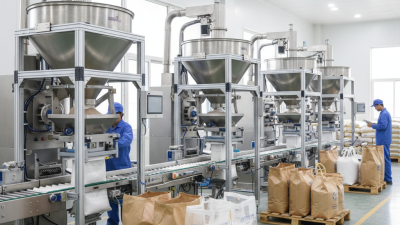
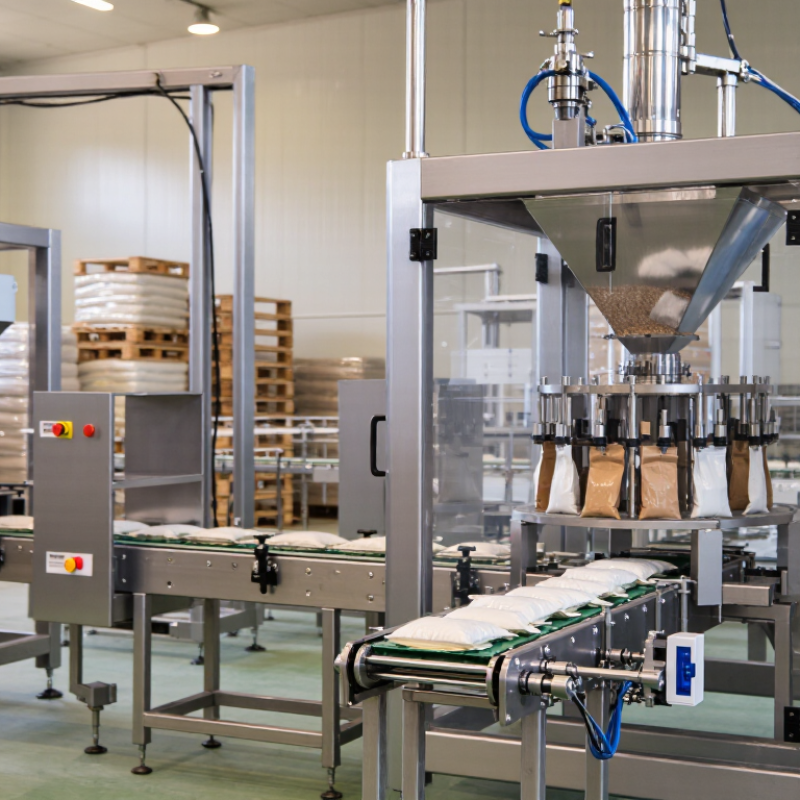
A bagging machine is an automated system for filling, weighing, and sealing products. It replaces repetitive hand packing with controlled mechanical steps. Depending on the product, the machine may use augers, volumetric cups, or multihead weighers. Each method handles different textures and flow rates. Powder needs steady dosing. Granules need fast, accurate discharge.
The process begins when empty film or pre-made bags enter the machine. A forming section creates the bag, while sensors monitor its position. The weighing unit releases the target load into the package. A sealing jaw then applies heat and pressure to close the opening. Operators usually adjust temperature, timing, and filling speed through a touchscreen. Small changes matter. A few degrees can weaken a seal.
PMMI’s 2024 State of the Industry report valued United States packaging machinery shipments at about 10.2 billion dollars in 2023. That figure reflects strong demand for automated packaging equipment across several sectors. However, automation does not remove every production problem. Dust can affect sensors. Uneven material flow can reduce weighing accuracy. The setup is not perfect. Regular calibration, clean contact surfaces, and practical operator training remain essential. A machine may run quickly, yet poor product preparation still creates waste and inconsistent bags.
Main Machine Types: Open-Mouth, Valve, Form-Fill-Seal, and Bulk Bag Models
What Is a Bagging Machine and How Does It Work?
A bagging machine measures, fills, and closes products inside prepared or formed bags. Its design depends on material flow, bag construction, target weight, and production speed. In packaging-line assessments, I examine weighing accuracy, dust control, sealing quality, and operator access. Small errors become expensive when thousands of bags run daily.
Open-mouth machines fill pre-made bags through a wide opening, then stitch, heat-seal, or fold the top. They suit powders, granules, animal feed, and other dry materials.
Valve machines use bags with a built-in corner valve. The filling nozzle enters this valve, reducing product leakage and often improving dust control. However, valve bags can be less forgiving when filling pressure changes.
Form-fill-seal machines create bags from a continuous film roll, fill them, and seal them in one cycle. They can reduce manual handling and provide consistent package dimensions. Film selection matters. Weak film may split at the seal.
Bulk bag models handle much larger containers, commonly using controlled weighing, filling spouts, and support frames. They are useful for high-volume materials, but their loading area needs careful planning.
No machine is perfect. A free-flowing product may fill smoothly today and bridge tomorrow after humidity changes. Operators should check calibration, bag alignment, seal temperature, and dust buildup throughout the shift. A specification sheet cannot reveal every behavior on the factory floor.
Step 1—Product Dosing: Weighing Systems Commonly Achieve ±0.1%–±0.5% Accuracy
A bagging machine prepares an empty bag, measures the product, fills it, and seals it. Product dosing controls the quality of every package. The target is precise. Many industrial weighing systems commonly achieve ±0.1% to ±0.5% accuracy under controlled operating conditions. This range depends on the product, equipment design, and required batch weight.
During Dosing
During dosing, load cells measure the material entering the bag. A coarse feeder moves most of the product quickly. A fine feeder then slows the flow near the target weight. The controller uses this signal to stop feeding before overshoot occurs. Small errors accumulate. Product moisture, vibration, dust, and uneven flow can change the result. A heavy truck passing nearby may even disturb sensitive readings.
In practical commissioning, technicians should check the empty-bag tare, test several weights, and compare readings with certified reference masses. Calibration alone is not enough. A scale may perform well in the morning and drift after temperature changes or mechanical contact. This is where operating discipline matters. Operators should inspect feeder gates, clean product buildup, and record repeated deviations. A ±0.1% claim may apply to stable materials and ideal conditions, not every production run. That limitation deserves attention. Proper dosing combines accurate sensors, controlled feeding, regular verification, and realistic expectations.
Step 2—Bag Filling: Premade-Bag Systems Typically Reach 10–60 Bags per Minute
A bagging machine fills premade bags after an operator or conveyor presents each pouch to the loading station. The machine opens the bag, confirms its position, dispenses the product, and seals the opening. In real production, this sequence looks simple. It is not always simple.
Premade-bag systems typically reach 10–60 bags per minute, depending on product weight, pouch size, sealing method, and feeding accuracy. PMMI’s Flexible Packaging Market Assessment identifies automation, repeatable filling, and reduced material waste as major priorities for flexible-packaging operations. At 10 bags per minute, a line may fill 600 bags hourly before stoppages. At 60 bags per minute, the theoretical figure reaches 3,600 bags. Actual output is lower when changeovers, inspections, and rejected bags are included.
Product behavior controls the pace. Powder can create dust around the seal. Granules may bounce inside the pouch. Sticky products can delay the dosing cycle. A wider bag may also need extra opening time. The machine’s sensors check bag presence and sealing temperature, while load cells or volumetric fillers control the dose. The PMMI report Packaging Automation: Trends and Adoption also stresses integration between filling, inspection, and downstream equipment. That connection matters.
A faster setting is not always better.
A 60-bag rate can produce unstable seals if the product settles poorly. I have seen operators improve quality by reducing speed slightly and checking seal samples more often. That choice costs capacity, but it can protect consistency. One overlooked pause can change the real production number.
Step 3—Bag Sealing and Inspection: Heat Sealing, Stitching, and Checkweighing
A bagging machine fills, closes, and checks containers with limited manual handling. Step 3 protects the product after filling. It combines bag sealing with inspection before finished bags leave the line. Small defects matter.
Heat sealing
uses controlled temperature, pressure, and dwell time to join compatible film layers. Operators should verify these settings during production, not only during setup. A seal that looks smooth may still contain a weak channel or trapped powder. Clean sealing jaws and properly aligned bags reduce this risk. Cooling time also matters because a warm seal can open during conveying.
Stitching
suits woven or paper bags that require a strong mechanical closure. The thread should form an even chain without loose loops, skipped stitches, or excessive tension. For dusty products, removing material from the stitch area improves closure quality.
Checkweighing then compares each bag with the target weight. A sensor can detect underweight and overweight bags, while trend data can reveal a filling problem before many bags are affected. Inspection should include seal appearance, stitch integrity, label position, and bag damage.
Human checks remain useful. They catch issues that sensors may miss.
No setting is universally correct. In practice, I have seen humidity, product flow, and bag material change sealing results within one shift. Operators should record these changes and adjust carefully, rather than trusting one successful test.