Choosing a case packer machine is a practical decision about speed, product protection, and future capacity. It is not merely an equipment purchase. The right system can load cartons consistently, reduce manual handling, and create a cleaner packaging flow.
PMMI’s 2024 State of the Industry report places U.S. packaging machinery shipments above $10 billion. This figure reflects continuing investment in automated packaging operations. The International Federation of Robotics also reported 541,302 industrial robots installed worldwide in 2023. These figures do not guarantee a return on investment. They show a clear direction: manufacturers are seeking repeatable, measurable production.
Jorge Izquierdo, Vice President of Market Development at PMMI, has said, “Automation is not about replacing people; it is about helping people work more effectively.” This principle matters when evaluating a case packer machine. Operators still manage changeovers, quality checks, maintenance, and unexpected stoppages. The machine should support those responsibilities, not complicate them.
A suitable case packer machine can handle precise carton loading, controlled product spacing, and faster case sealing. Servo drives may improve accuracy. Tool-less adjustments can shorten changeover time. Safety guarding and accessible controls also influence daily performance.
Still, automation is not automatically wise.
A machine may underperform when products vary widely, packaging formats change often, or factory space is limited. Buyers should examine actual throughput, case dimensions, labor conditions, maintenance access, and integration requirements. Payback calculations need honest assumptions. Energy use, training, spare parts, and downtime belong in the calculation.
The strongest choice is rarely the fastest machine. It is the system that fits the process, people, and production goals.
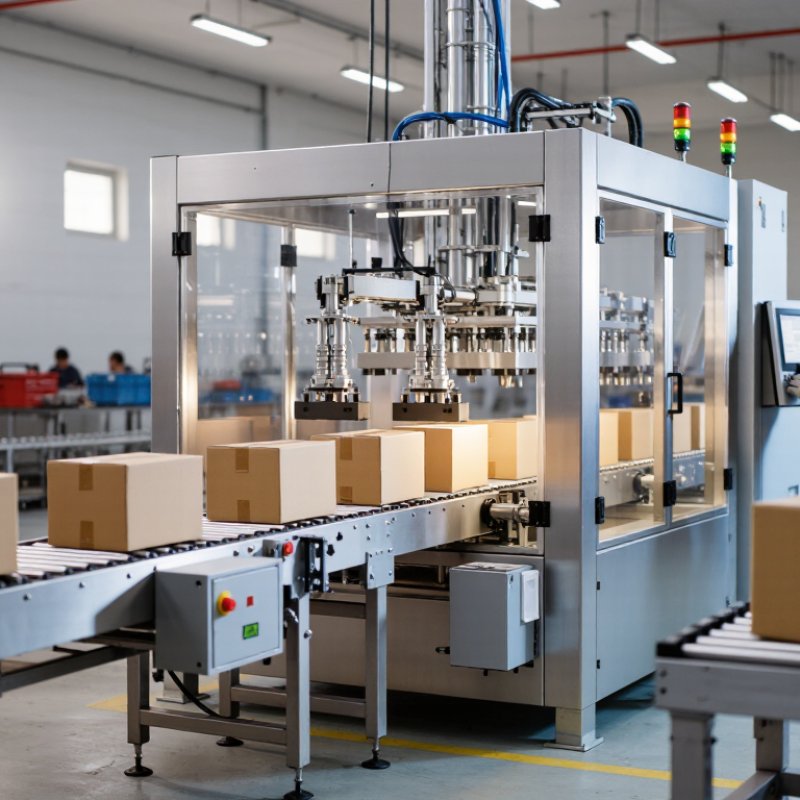
A case packer machine automatically places filled products into shipping cases. It belongs to the secondary packaging stage.
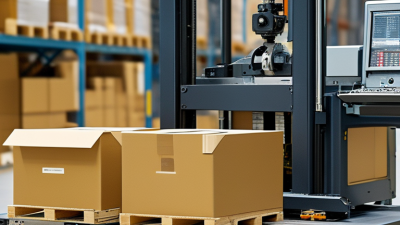
The machine groups products, forms or opens a case, loads the group, and seals the container. Some models use mechanical guides, while others use robotic pick-and-place arms. Sensors check product position, case presence, and loading accuracy.
A practical example is a beverage line. Bottles arrive in rows, a collator creates a bundle, and the packer places it into a corrugated case.
The main reason to choose one is controlled, repeatable packing. PMMI’s 2024 State of the Industry report valued U.S. packaging machinery shipments at about 10.2 billion dollars in 2023. That investment reflects rising demand for reliable automation. The International Federation of Robotics reported 541,302 industrial robots installed worldwide in 2023. Packaging is only one application, but the figure shows wider movement toward automated production. A case packer can reduce repetitive labor, protect products, and support stable output. Still, automation is not automatically better. A poorly specified machine can become an expensive bottleneck.
Tips: Check case dimensions, product fragility, changeover time, and required speed before purchase. Test real products, not only samples. Ask operators to review access points and cleaning routines. Small details matter. A fast machine may waste time if format changes are difficult. Leave capacity for growth, but avoid paying for unused speed.
A case packer machine turns a loose product flow into sealed shipping cases through coordinated steps. Products arrive on a conveyor, where guides and sensors control spacing. A programmable controller reads these signals and adjusts timing. This matters when bottles, pouches, cartons, or trays move at different speeds. The machine does not simply push everything inside. It creates an organized pattern. That pattern matters.
A forming station folds flat case blanks and holds them open. Meanwhile, an infeed system groups products into the selected count and layout. A robotic pick head, collating arm, or loading mechanism places the group into the case. Some systems load from the top, while others use side or drop loading. Sensors check product presence, case position, and flap alignment. If a case is missing, the controller can stop loading or divert the product group. Sealing follows with adhesive or tape, depending on the package design.
Practical line checks show that reliable results depend on matching product geometry with the loading method. A soft pouch can collapse under rough pushing, while a rigid carton may tolerate faster motion. Changeover settings also need careful adjustment. Small guide errors can create crooked stacks, jams, or weak seals. It is not flawless. Operators should inspect pressure, sensor response, and seal quality during production, not only after a fault. Energy use, cleaning access, and guarding also deserve careful attention.
Why Choose a Case Packer Machine for Your Business?
Which Packaging Tasks Can It Handle?
A case packer machine can manage several repetitive packaging tasks with consistent speed and placement. It receives products from a conveyor, groups them into planned quantities, and loads them into shipping cases. Depending on the design, it can handle bottles, cartons, pouches, trays, and wrapped items. Some systems load products vertically, while others use horizontal or robotic movements.
The machine can also erect flat cases, fold flaps, apply adhesive or tape, and discharge sealed cartons. Sensors check product counts and case positions during operation. If a group is incomplete, the system can stop the cycle or reject it. This reduces empty spaces and lowers manual checking demands. In my experience, accurate infeed control matters as much as the packing mechanism. A fast machine still creates waste when products arrive unevenly.
Changeovers are another important task. Operators may adjust guides, recipes, loading patterns, and case dimensions for different products. Modern controls can store these settings, although adjustments are rarely completely automatic. That detail is easy to underestimate. Smaller operations may also use case packers for collation, tray loading, and display-ready packaging. The right configuration depends on product shape, case strength, production volume, and available floor space. A practical evaluation should test real products, not only sample containers.
| Packaging Task | What the Machine Does | Common Product or Case Format | Typical Operating Range | Key Business Benefit |
|---|---|---|---|---|
| Product Collation | Groups individual products into the required count and pattern before case loading. | Bottles, cans, cartons, pouches, trays, and rigid containers. | Single-layer or multi-layer pack patterns; configuration depends on product dimensions. | Creates consistent case counts and reduces manual counting errors. |
| Product Orientation | Aligns products in a specified direction for reliable loading and presentation. | Products with a defined front, top, side, or handling orientation. | Suitable for regular, stable products; irregular items may require dedicated handling devices. | Improves loading accuracy and protects package appearance. |
| Case Loading | Places grouped products into shipping cases using pick-and-place, drop-loading, wraparound, or side-loading methods. | Regular slotted cases, wraparound cases, trays, and open-top cases. | Common line speeds range from approximately 10 to 60 cases per minute, depending on the machine design and product. | Provides repeatable loading while reducing repetitive manual labor. |
| Case Erecting | Opens flat corrugated blanks and forms them into usable cases before loading. | Pre-glued or regular slotted corrugated case blanks. | Available as an integrated function on some systems; otherwise handled by a separate case erector. | Reduces manual case preparation and supports a continuous packaging line. |
| Case Closing and Sealing | Folds case flaps and seals them with adhesive, tape, or another specified closing method. | Top-load, side-load, wraparound, and regular slotted cases. | Sealing speed is matched to the loading system and case material. | Improves package security and produces a uniform finished case. |
| Mixed-Product Case Packing | Combines different products or stock-keeping units in one case according to a programmed recipe. | Subscription boxes, variety packs, promotional bundles, and mixed retail cases. | Requires recipe control, product tracking, and compatible feeding equipment. | Supports product variety without relying entirely on manual packing. |
| Inspection and Fault Rejection | Uses sensors or vision systems to detect missing, misaligned, damaged, or incorrectly counted products. | Products requiring count, position, barcode, or presence verification. | Inspection capability depends on sensor type, product speed, and integration level. | Helps reduce incomplete cases, rework, and customer complaints. |
| Format Changeover | Adjusts guides, tooling, recipes, and loading patterns for different product or case sizes. | Multiple case dimensions or several product formats on the same line. | Changeover time varies widely; tool-free adjustments and stored recipes can shorten setup. | Makes automated packing more practical for businesses with multiple products. |
| Data and Line Integration | Connects with conveyors, upstream filling or cartoning equipment, case erectors, sealers, printers, and palletizing systems. | Continuous production lines with standardized material flow. | Integration depends on controls, communication protocols, layout, and production requirements. | Improves line coordination, traceability, and production monitoring. |
Note: Operating ranges are indicative industry values rather than guaranteed outputs. Actual performance depends on product stability, case dimensions, pack pattern, packaging materials, machine configuration, and line integration.
A case packer machine can turn a repetitive packing task into a controlled production step. In a busy line, operators may fold cartons, load products, and check seals for hours. Fatigue creates uneven placement and slower output. A case packer applies repeatable movements, helping businesses maintain steadier throughput during long shifts. It can also reduce awkward lifting and free employees for quality checks, material replenishment, and line monitoring. The benefit is practical: fewer interruptions at the packing station.
Consistency protects products as well as schedules. A correctly formed case gives bottles, pouches, or boxed goods better support during storage and transport. Neat packing can reduce empty space, shifting, and avoidable carton damage. It also improves pallet stability, which matters when inventory moves through warehouses. Production records become easier to review when machine settings and case counts are tracked. That information can reveal recurring stoppages or waste that manual notes miss.
The financial result depends on the application. A machine is not magic. Businesses should compare labor savings, expected volume, changeover time, energy use, and maintenance requirements before buying. A slow format change can erase gains on short production runs. Operators still need training, inspections, and a clear response plan for jams. In practice, the strongest return often appears when pack sizes are stable and demand is consistent. A careful site trial may expose weaknesses that a sales estimate overlooks.
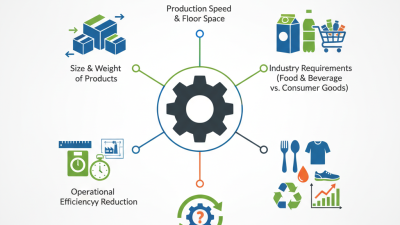
Choosing a case packer should begin with your actual production conditions, not a sales brochure. Measure product size, carton dimensions, weight, and required output per minute. Include seasonal demand. Your first estimate may be wrong. A machine designed for 20 cartons per minute may struggle during a sudden order increase.
Product behavior matters just as much. Fragile containers need gentle handling, while irregular products may require controlled grouping. Check the available floor space, conveyor height, electrical supply, and operator access. Small details matter. Also, examine the changeover process. If workers need tools for every adjustment, daily production can lose valuable time.
Ask for a practical machine test using your own products and cartons. Observe loading accuracy, sealing quality, noise, and recovery after a minor jam. Products should move smoothly. Request maintenance records, spare-parts availability, training details, and documented safety procedures. A reliable supplier should explain limitations clearly, not promise perfect performance. Consider future growth, but avoid paying for capacity you will never use. I have seen businesses choose speed over flexibility, then regret the decision when product sizes change. The right case packer fits today’s workflow and leaves reasonable room for tomorrow.
A&B has become the leader in fresh packing and cleaning equipment for fruits and vegetables worldwide. We have achieved this by relentlessly working to produce new and innovative ideas, along with the best customer service on Earth combined with hard working, dedicated, loyal employees and the latest industrial manufacturing techniques. We are now proud to say that we manufacture The Fulcrum Fresh Harvester, this is a one of a kind Berry Harvester that was specifically designed to handle fresh pick blueberries.
732 W. Saint Joseph Street
Lawrence, MI 49064
Phone: 269-539-4700 Fax: 269-539-4705
sale@industrialpackagingmachines.com