Why Choose an Automatic Filling Machine?

Why Choose an Automatic Filling Machine?

Choosing an automatic filling machine can transform a busy production line. It delivers measured volumes with steady timing and repeatable movement. On a beverage line, each 500-milliliter bottle can reach the same target level. That consistency reduces visible variation across cartons and batches. It also helps operators spend less time repeating manual filling tasks. More time becomes available for inspection, cleaning, and material preparation.

Speed is only one part of the decision. A suitable machine should match the product’s viscosity, container shape, filling range, and daily output. Stainless steel contact parts can support practical cleaning routines when designed correctly. Clear settings and accessible controls also make training easier. Reliable results depend on calibration, maintenance records, and careful setup. Small details matter. A dripping nozzle can waste product and stain equipment surfaces.

An automatic system is not always the perfect answer. Smaller businesses may face higher purchase costs, limited floor space, or frequent product changes. Some machines also require skilled adjustment during changeovers. Ignoring these concerns can create delays instead of solving them. Experienced buyers compare verified specifications, trial results, service support, and total operating costs. They also test real containers before approval. The best choice is not simply the fastest machine. It is equipment that performs consistently, safely, and realistically within the intended process.
Why Choose an Automatic Filling Machine?

What Is an Automatic Filling Machine?

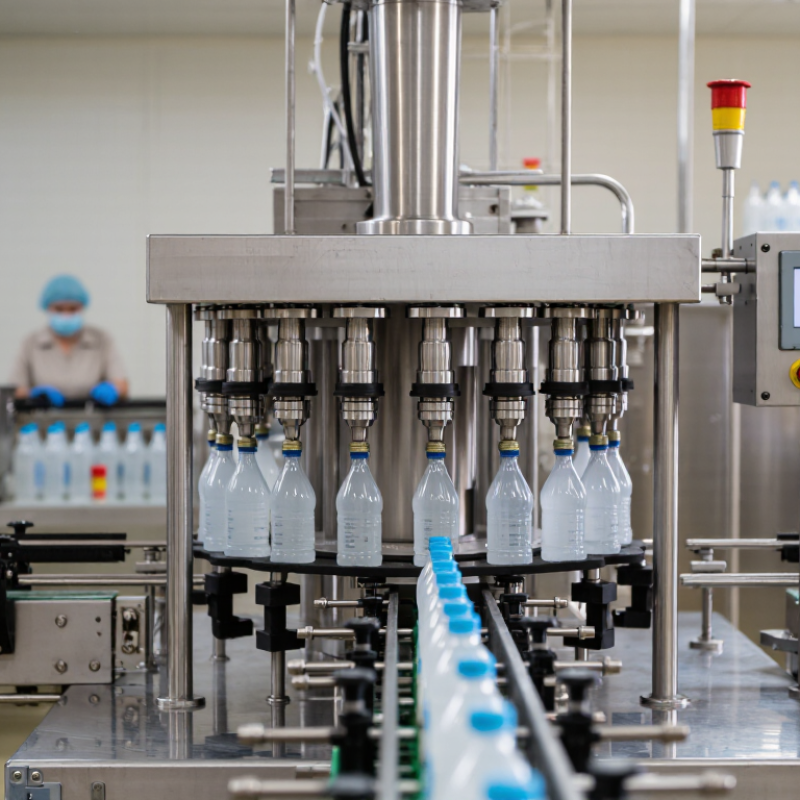
An automatic filling machine is equipment that dispenses a measured volume of liquid, paste, powder, or granules into containers. It uses pumps, valves, sensors, and programmed controls to manage each filling cycle. The container enters the filling area, stops in position, receives its dose, and moves forward for capping or sealing.

In daily production, the machine can reduce repetitive handwork and improve dose consistency. Operators usually set the target volume, filling speed, and container spacing through a control panel. Different products need different systems. Gravity filling suits thin liquids, while piston or pump filling handles thicker materials. Sensors can detect missing containers and pause the cycle, which helps prevent spills and product waste.

A reliable setup still depends on practical testing. Product temperature, viscosity, foam, and container shape can change performance. Regular calibration is necessary, even when the machine appears accurate. Cleaning access also matters, especially in food, cosmetic, and household product facilities. In my experience, faster filling is not always better; excessive speed may create bubbles, splashing, or uneven levels. Small adjustments often produce better results than aggressive settings. The machine can improve labor efficiency, but trained operators remain essential for inspection, maintenance, and safe operation.

How Does an Automatic Filling Machine Work?

An automatic filling machine turns a measured product flow into a repeatable production cycle. Its operation begins with a hopper or supply tank that holds the liquid. A pump, gravity system, or piston then moves the product toward the filling nozzles. The cycle repeats.

A control system coordinates each step. Sensors detect containers entering the filling area. The machine stops or spaces them before opening the valves. A flow meter, piston stroke, or timed valve controls the quantity. Nozzles release the product into each container, then close to reduce dripping. The conveyor moves filled containers toward capping or labeling equipment. Operators can adjust fill volume, speed, and container spacing through the control panel.

Good results depend on more than automation. Product thickness, temperature, foam, and container shape can change filling accuracy. A thin liquid may require different settings from a thick lotion. During operation, technicians check sample weights, nozzle alignment, and unexpected residue around the valves. Small errors matter. Cleaning routines also protect product quality and keep moving parts reliable. In practice, automatic machines are consistent, but they are not completely independent. A poorly calibrated sensor or an uneven supply level can create repeated underfills. That point deserves attention, because speed can hide a problem before inspection reveals it.

Which Products Can Automatic Filling Machines Handle?

Why Choose an Automatic Filling Machine?

Which Products Can Automatic Filling Machines Handle?

Automatic filling machines handle far more than clear liquids. They can dose water, cooking oil, sauces, syrups, detergents, creams, and lotions. With the correct pump, nozzle, and control settings, each product receives a stable fill. I have seen viscosity change during a production run, especially when room temperature shifts. That small detail can affect accuracy.

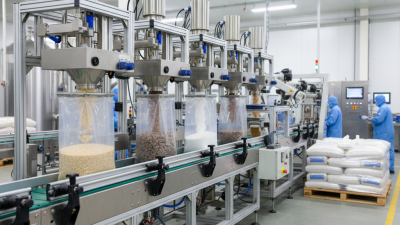
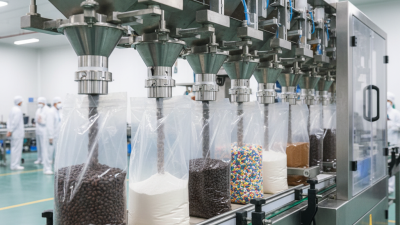
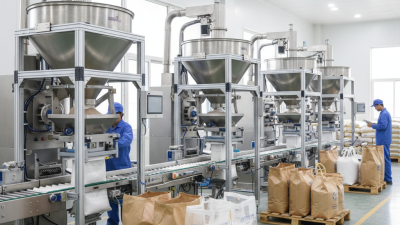
Thicker products often need piston or servo-driven filling systems. Thin liquids may work better with gravity or flow-based equipment. Powders, flour, spices, and granules require different dosing methods, usually with augers or weigh fillers. Products containing small particles, such as sauces with herbs, need wider nozzles and careful valve selection. Foaming liquids also demand slower filling or submerged nozzles.

Container shape matters too. Automatic machines can fill bottles, jars, pouches, tubes, and small cans when the conveyor and fixtures match the package. However, no machine handles every product equally well. A sticky cream may leave residue, while a fast-flowing liquid can splash. Testing the real product is essential. Operators should check fill weight, temperature, viscosity, and cleaning requirements before production. Calibration is not a one-time task. It may need repeating after product changes or extended operation.

Why Choose an Automatic Filling Machine? - Which Products Can Automatic Filling Machines Handle?

Product Category Typical Examples Product Characteristics Recommended Filling System Common Container Types Typical Fill-Volume Range Suitability for Automatic Filling Important Considerations
Water-Like Liquids Water, flavored drinks, liquid cleaners, liquid soap Low viscosity, free-flowing, little or no suspended solids Time-pressure, gravity, overflow, or flow-meter filling Bottles, jars, pouches, and cans 10 mL to 20 L Excellent Overflow filling can provide consistent visible liquid levels in transparent containers.
Edible Oils and Thin Viscous Liquids Cooking oil, vinegar, liquid extracts, cosmetic oils Low to medium viscosity; may require controlled flow to reduce dripping Mass-flow, piston, gear-pump, or peristaltic filling Glass bottles, plastic bottles, jars, and metal containers 20 mL to 10 L Excellent Anti-drip nozzles and diving nozzles can help reduce stringing and splashing.
Sauces and Dressings Ketchup, mayonnaise, salad dressing, barbecue sauce Medium to high viscosity; may contain small particulates Piston, servo-piston, or lobe-pump filling Bottles, jars, tubs, and stand-up pouches 50 mL to 5 L Excellent Nozzle size, pump design, and product temperature should match the particle size and viscosity.
Creams and Lotions Skin cream, shampoo, conditioner, body lotion Medium to high viscosity; often shear-sensitive or air-sensitive Servo-piston, rotary-pump, or progressive-cavity filling Tubes, jars, bottles, and airless containers 5 mL to 2 L Excellent Low-shear handling, bottom-up filling, and diving nozzles can improve appearance and accuracy.
Gels and Pastes Hair gel, toothpaste, petroleum jelly, food paste High viscosity; may hold its shape after filling Servo-piston, auger-assisted, or positive-displacement filling Tubes, jars, cartridges, and wide-mouth containers 5 mL to 1 L Excellent Heating may be required for some products, while temperature-sensitive products need controlled handling.
Products with Small Particles Relish, fruit preparations, soups, sauces with herbs Liquid or semi-liquid base containing suspended solids Piston, progressive-cavity, or pump filling with enlarged passages Jars, bottles, cups, tubs, and pouches 50 mL to 5 L Good with Configuration Particle size, concentration, and shape must be tested to prevent blockage or product damage.
Foaming Liquids Detergent, hand wash, shampoo, and some beverages Low to medium viscosity; produces foam during pumping or filling Submerged, diving, overflow, or low-shear pump filling Bottles, jugs, and containers with narrow or wide openings 50 mL to 20 L Excellent Reduced filling speed, submerged nozzles, and controlled pump pressure can limit foam formation.
Powders Flour, spices, milk powder, detergents, and nutritional powders Dry, free-flowing or cohesive; may generate dust Auger, vacuum, net-weigh, or volumetric cup filling Bags, pouches, bottles, jars, and cans 5 g to 25 kg Excellent Dust extraction, hopper agitation, and product-density control are important for stable dosing.
Granules and Small Solids Rice, sugar, seeds, pet food, tablets, and small hardware parts Free-flowing solid pieces with measurable size and weight Multi-head weigher, linear weigher, volumetric cup, or counting system Bags, pouches, bottles, jars, and cartons 5 g to 25 kg Excellent Weighing or counting accuracy depends on particle size, shape, density, and flow consistency.
Tablets and Capsules Pharmaceutical tablets, supplements, and capsules Discrete, countable solids requiring controlled handling Electronic counter, slat counter, or vibratory counting system Bottles, jars, blister packs, and sachets One unit to several thousand units per container Excellent Contact surfaces, cleaning procedures, and inspection systems should meet the applicable hygiene requirements.
Hot-Fill Products Jams, sauces, fruit fillings, and some ready-to-eat foods Filled at elevated temperature to maintain flow or support preservation Heated piston, pump, or gravity filling system Glass jars, bottles, tubs, and heat-resistant pouches 50 mL to 5 L Good with Configuration Temperature control, heat-resistant materials, and safe operator protection are essential.
Aggressive or Corrosive Liquids Acidic cleaners, bleach-based products, and industrial chemicals Low to high viscosity; may attack ordinary metals or seals Peristaltic, diaphragm, magnetic-drive, or chemically resistant piston filling Plastic bottles, drums, jerry cans, and chemical containers 50 mL to 25 L Good with Configuration Wetted materials, seals, ventilation, spill control, and chemical compatibility must be verified before production.
Particulate and Fragile Products Whole fruit pieces, confectionery, fragile snacks, and delicate components Solid pieces that may break, deform, or require gentle placement Servo-controlled volumetric, multi-head weighing, or robotic pick-and-place Trays, cups, boxes, jars, and pouches 10 g to 10 kg Good with Configuration Low-drop-height conveyors, gentle product contact, and customized tooling help protect product quality.

Note: The stated volume and weight ranges are typical application ranges rather than universal limits. Actual performance depends on product viscosity, density, temperature, particle size, container design, target accuracy, and the selected filling system.

What Are the Main Benefits of Automatic Filling Machines?

Why Choose an Automatic Filling Machine?

Automatic filling machines improve speed, consistency, and workplace control. According to PMMI’s 2023 State of the Industry report, U.S. packaging machinery shipments reached approximately $10.2 billion in 2022. That investment reflects a clear pressure: manufacturers need higher output with fewer available operators.

An automatic filler can deliver repeatable volumes across hundreds of containers. A servo-driven system may fill bottles within a narrow tolerance, reducing product giveaway. It also limits hand contact with open containers, supporting cleaner production areas. Grand View Research estimated the global filling machine market at about USD 3.9 billion in 2023. Its forecast indicates continued growth through 2030, driven partly by automation and production efficiency.

The benefits become visible on the factory floor. One operator can monitor alarms, refill materials, and check samples instead of manually filling every container. Digital counters also record output and stoppages, helping managers identify lost minutes. Small gains matter.

Automation is not magic. Poor calibration can still create expensive errors. A thick liquid may require slower filling, while foam can damage accuracy. Operators need practical training, scheduled cleaning, and routine verification. The best results come when machine settings match the product, container, and production target. Industry reports show strong investment, but each facility still needs evidence from its own trials.

How Should You Choose the Right Automatic Filling Machine?

Why Choose an Automatic Filling Machine?

How Should You Choose the Right Automatic Filling Machine?

Choosing an automatic filling machine starts with the product, not the machine’s appearance. In my experience, liquid thickness, temperature, foaming, and container shape affect filling results. A thin oil needs different control from a thick cream. Measure the product during normal production conditions. Laboratory tests can mislead. Sometimes, we learn that a machine selected too quickly cannot handle seasonal changes.

Check the filling range, speed, accuracy, and adjustment method. Ask for a practical demonstration using your actual containers and product. Watch each nozzle closely. Does dripping occur after filling? Can operators change settings without confusion? A clear control panel reduces training time and mistakes. Also inspect the contact parts. Stainless steel construction, smooth surfaces, and easy removal support safer cleaning and maintenance. Do not ignore available floor space, air supply, power requirements, or future production increases.

Tips: Request written accuracy data and service details. Confirm cleaning procedures before purchase. Test small and large containers. Keep spare seals available. A short trial may reveal problems that specifications hide. We once focused heavily on filling speed and underestimated changeover time. That was a costly lesson. Reliable technical support, documented instructions, and accessible replacement parts can matter more than an impressive maximum output. Choose equipment that fits daily work, not only the best result shown during a demonstration.