Top Food Packaging Equipment Manufacturers Worldwide

Choosing the right food packaging equipment manufacturer can shape product safety, line efficiency, and long-term operating costs. Across global markets, suppliers differ in engineering depth, service coverage, material compatibility, and automation capability. A compact bakery line may need a reliable vertical form-fill-seal machine. Frozen-food producers may require multihead weighing, vacuum control, and cold-resistant conveyors. These differences make simple popularity rankings unreliable.

A respected manufacturer should demonstrate tested performance, clear specifications, and responsive technical support. It should explain sanitation procedures, changeover times, seal integrity, and operator training. Real factory evidence matters more than polished brochures. Site visits, documented trials, and customer references can reveal overlooked details. A ten-minute changeover may save hours during a busy shift. Or it may not, if cleaning takes too long.

This overview examines leading food packaging equipment manufacturers worldwide through practical and verifiable criteria. The analysis considers filling accuracy, throughput, energy use, digital monitoring, maintenance access, spare-parts availability, and regional support. It also reviews integration with processing, inspection, labeling, and palletizing systems. Packaging-floor experience shows that the cheapest quotation rarely represents the complete cost. Downtime, rejected packs, and difficult software updates can quietly reshape the investment. Still, published data is not always comparable. Manufacturers may measure speed under different product conditions. That limitation matters. Readers should confirm claims through factory acceptance tests, sample runs, and independent technical reviews. Reliable decisions require engineering judgment and humility. The largest supplier is not always the strongest choice. It is the partner that performs consistently when products, staff, and schedules change.
Top Food Packaging Equipment Manufacturers Worldwide

What Food Packaging Equipment Manufacturers Do

Food packaging equipment manufacturers do more than build machines. They study product texture, container shape, production speed, and workplace conditions. Their teams may design fillers, sealers, labelers, conveyors, and inspection systems for one production line. Each machine must handle food carefully and maintain consistent portion control.

Engineers test equipment with real products, not only empty packages. A sticky sauce may clog a filling nozzle. Fine powder may escape through a weak seal. These details influence material selection, sensor placement, and cleaning access. Manufacturers also provide installation, operator training, maintenance plans, and technical support. Reliable documentation matters. It helps workers adjust settings without guessing.

A machine can meet its speed target and still disappoint. Noise, difficult cleaning, or frequent changeovers may reduce its real value. Manufacturers should measure downtime, waste, safety, and energy use alongside output. No factory plan is perfect. Honest testing can reveal limits before equipment reaches full production.

Tips: Describe your product accurately before requesting equipment. Share package dimensions, target output, filling temperature, and cleaning requirements. Ask for trial runs using your actual ingredients and containers. Check whether operators can reach key parts safely. Review spare-part access and service response times. Small details matter.

Key Types of Food Packaging Machinery

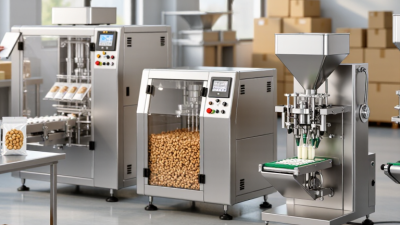
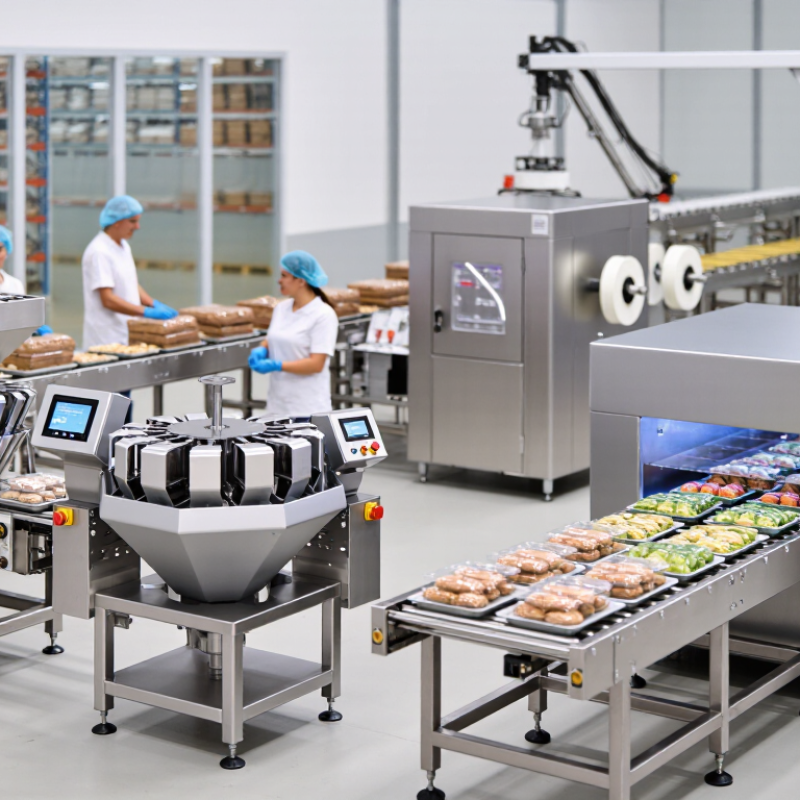
Food packaging machinery now combines speed, hygiene, traceability, and waste control. The key equipment types include filling machines, form-fill-seal systems, thermoformers, vacuum packers, and tray sealers. Liquid fillers handle sauces, dairy products, and beverages with controlled dosing. Auger or volumetric fillers serve powders and dry ingredients. Form-fill-seal equipment creates bags from film, then fills and seals them in one continuous cycle.

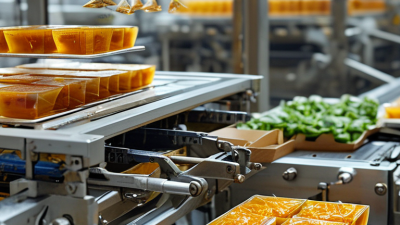
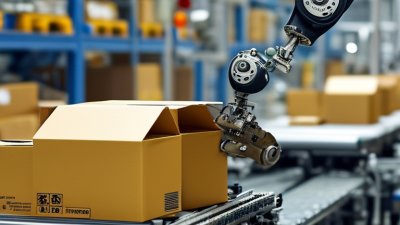
Rigid products often need thermoforming or tray-sealing equipment. These systems shape plastic or fiber materials, place food accurately, and apply a protective top film. Checkweighers, metal detectors, vision inspection units, and labelers support quality control after sealing. Case packers and palletizing robots reduce repetitive handling, although they require careful line integration. A minor timing error can still damage an otherwise advanced system.

The United Nations Environment Programme reported that 1.05 billion tonnes of food were wasted in 2022. Better sealing, portion control, and leak detection can help reduce avoidable losses. PMMI industry reports also highlight continuing investment in automation, data collection, and flexible packaging machinery. However, automation is not automatically efficient. Poor changeover design may increase downtime, while excessive packaging can create new environmental concerns. In practical factory trials, operators should examine seal strength, cleaning access, film consumption, and real production speed. Catalog figures can look impressive. Real conditions are less predictable.

How Leading Manufacturers Are Evaluated

Evaluating leading food packaging equipment manufacturers requires more than comparing catalog specifications. Real experience begins with the machine’s behavior on a working production floor. Buyers should examine sealing consistency, changeover time, cleaning access, noise, and material waste. A brief factory demonstration can reveal details that polished brochures often miss. Ask for measured output under conditions similar to your facility.

Technical expertise should be supported by documented testing, trained service teams, and clear engineering records. Reliable manufacturers explain how equipment handles different film types, product sizes, temperature changes, and line speeds. They also provide risk assessments, maintenance schedules, spare-parts plans, and operator training. Independent inspections and references from comparable food plants strengthen credibility. Vague promises do not.

Performance data still needs careful interpretation. A high speed may look impressive, yet frequent stoppages can erase the advantage. Total ownership cost should include energy use, sanitation labor, software updates, repairs, and planned downtime. I would score these factors separately, because one strong result can hide a serious weakness. No manufacturer is perfect. Even a well-tested machine may struggle with an unusual product or an inexperienced operator. The most dependable evaluation combines site visits, trial runs, verified records, and honest discussion of limitations.

Top Manufacturers by Region and Specialization

Top Food Packaging Equipment Manufacturers Worldwide

Food packaging equipment manufacturers differ widely by region, production culture, and technical focus. European producers often specialize in high-speed filling, sealing, cartoning, and robotic line integration. Their equipment typically emphasizes precision, hygienic design, energy efficiency, and long service life. Detailed stainless-steel frames and tool-free cleaning access are common features.

North American manufacturers frequently develop flexible systems for processors with changing product sizes. Their strengths include modular conveyors, case packing, palletizing, and remote equipment monitoring. Many suppliers build machines around practical maintenance needs. Operators may replace a worn belt or adjust a sensor without stopping an entire line for hours.

Asia has become a major source of vertical form-fill-seal machines, pouch systems, weighing equipment, and compact automation. Manufacturers in this region often balance output with accessible pricing. Some factories now provide strong control software and reliable stainless-steel construction. However, buyers should inspect documentation, spare-parts support, and testing procedures carefully. Lower purchase costs can hide longer commissioning periods.

Specialized manufacturers also serve dairy, frozen foods, beverages, snacks, and fresh produce. Liquid fillers require accurate pumps and cleanable product paths. Snack lines depend on gentle conveying and precise multihead weighing. Fresh produce equipment needs careful handling to reduce bruising. Regional strengths overlap, and quality varies between suppliers. A factory visit remains useful, though it cannot reveal every future maintenance problem.

Top Food Packaging Equipment Manufacturers Worldwide - Top Manufacturers by Region and Specialization

Region Manufacturer Specialization Primary Equipment Typical Applications Common Packaging Formats Indicative Output Range Common Compliance Requirements
Western Europe Flexible packaging and form-fill-seal systems Vertical and horizontal form-fill-seal machines, multihead weighers, auger fillers Snacks, coffee, confectionery, frozen foods and dry ingredients Pouches, sachets, pillow bags, block-bottom bags and stick packs Approximately 30–180 packs per minute, depending on product and format CE marking, EU food-contact rules, hygienic-design practices and machine-safety standards
Central Europe Cartoning, case packing and end-of-line automation Intermittent and continuous cartoners, case packers, robotic pick-and-place units Dairy, bakery, processed foods, beverages and household food products Folding cartons, wraparound cases, trays and shelf-ready packaging Approximately 30–400 cartons or cases per minute CE marking, ISO 12100 risk assessment and applicable food-contact material controls
Southern Europe Liquid filling, capping and bottling lines Volumetric fillers, piston fillers, rotary cappers, rinsers and monoblock systems Water, edible oils, sauces, dairy drinks and liquid foods PET bottles, glass bottles, jars and rigid plastic containers Approximately 30–1,200 containers per minute CE marking, sanitary construction, cleanability requirements and food-contact material compliance
North America Inspection, weighing and integrated packaging automation Checkweighers, metal detectors, X-ray inspection systems, conveyors and line controls Meat, poultry, snacks, ready meals, bakery and packaged produce Trays, vacuum packs, pouches, cartons and modified-atmosphere packs Approximately 60–300 packs per minute for inspection and weighing applications FDA food-contact requirements, USDA requirements where applicable, NSF principles and electrical safety codes
North America Thermoforming, vacuum packaging and modified-atmosphere packaging Thermoformers, tray sealers, vacuum chambers and gas-flushing systems Fresh meat, cheese, seafood, ready-to-eat meals and fresh produce Vacuum skin packs, MAP trays, rigid trays and sealed containers Approximately 10–120 cycles per minute, depending on cavity count FDA and USDA requirements where applicable, sanitary design and validated gas-control procedures
East Asia High-speed snack, confectionery and sachet packaging Multi-lane sachet machines, stick-pack machines, wrapping machines and weighers Instant foods, candy, biscuits, sauces, seasonings and powdered beverages Sachets, stick packs, pillow bags, three-side-seal pouches and flow wraps Approximately 100–1,200 packs per minute, depending on lane configuration Applicable national food-contact rules, electrical safety certification and hygienic-design controls
South Asia Cost-efficient packaging lines for staple and processed foods Rice and flour packers, auger fillers, pouch machines and basic sealing equipment Rice, pulses, flour, spices, snacks and tea Pouches, laminated bags, sachets and woven polypropylene bags Approximately 20–100 packs per minute for common retail formats Local machinery-safety rules, food-contact requirements and calibration controls for weighing systems
Southeast Asia Canning, retort and shelf-stable food processing lines Can fillers and seamers, retort systems, sterilizers and container handling equipment Seafood, sauces, coconut products, fruit, vegetables and ready meals Metal cans, retort pouches, glass jars and heat-sealed trays Approximately 100–2,000 containers per minute for selected canning operations HACCP-based controls, thermal-process validation and applicable food-contact regulations
Latin America Beverage, dairy and flexible packaging equipment Bottle fillers, carton fillers, pouch machines, shrink wrappers and case packers Milk, juices, bottled water, sauces, coffee and snack products PET bottles, cartons, pouches, sachets and multipacks Approximately 30–600 containers or packs per minute Local sanitary regulations, electrical safety requirements and HACCP-based production controls
Middle East and Africa Dry-food weighing, filling and secondary packaging Multihead weighers, vertical baggers, form-fill-seal systems and palletizing equipment Grains, dates, nuts, spices, powdered foods and frozen products Pouches, bags, cartons, bulk sacks and shrink-wrapped cases Approximately 15–150 packs per minute, depending on product and automation level Applicable national standards, food-contact controls, hygienic design and industrial electrical-safety requirements
Worldwide Robotic end-of-line automation Case packers, robotic palletizers, depalletizers, stretch wrappers and conveying systems Most packaged-food categories requiring standardized logistics units Cases, trays, shrink bundles, pallets and mixed-SKU loads Approximately 10–40 cases per minute for palletizing, depending on payload and layout ISO 10218 principles, risk assessment, guarding requirements and site-specific machine-safety rules

Note: Output figures are representative operating ranges for common equipment classes rather than rankings of individual manufacturers. Actual capacity varies with product characteristics, package size, materials, machine configuration and regulatory requirements.

Emerging Trends in Food Packaging Equipment

Food packaging equipment is changing from isolated machinery into connected production systems. In recent factory trials, sensors tracked sealing temperature, film tension, and filling accuracy in real time. Small deviations became visible before operators found damaged packs. That matters. Vision cameras now inspect seals, labels, and surface defects at line speed. Robotic pickers handle varied formats with less manual contact. The shift is practical, not futuristic.

Equipment manufacturers are also designing for lighter films, recyclable structures, and reduced energy use. Servo motors adjust movement precisely, cutting waste during frequent format changes. Hot-air systems and induction units may shorten heating cycles. However, compatibility remains difficult. A recyclable package can fail when an older sealing jaw applies uneven pressure. I have seen pilot lines slow down because software settings were poorly documented. That weakness deserves more attention.

Artificial intelligence is entering predictive maintenance, using vibration and temperature data to flag worn bearings. Digital twins can test a new recipe before physical trials consume materials. Yet data quality decides whether these tools help. Bad inputs produce confident errors. Operators still need training, clear alarms, and authority to stop a line. The most useful systems explain their warnings instead of hiding them behind dashboards. A technician should still understand why a machine changed its settings.