China Top 10 Bag Filling Machine Manufacturers

China has become a major source of packaging equipment, including modern bag filling machine systems. Its manufacturers serve food, agriculture, chemicals, pharmaceuticals, and household product industries. However, choosing among suppliers requires more than comparing catalog prices.

A dependable machine should fill each bag accurately, seal it cleanly, and maintain stable output. Small details matter. Watch the powder flow. Check the weighing sensor. Inspect the sealing edge. These details reveal manufacturing quality better than promotional claims.

Manufacturing expert Taiichi Ohno offered a useful principle: “Without standards, there can be no improvement.” This idea applies directly to every bag filling machine evaluation. A serious supplier should explain its accuracy range, filling speed, material compatibility, control system, and maintenance requirements. It should also provide testing evidence, installation support, spare-parts access, and clear documentation.

This guide reviews China’s top ten bag filling machine manufacturers through practical criteria. These include engineering experience, production capacity, customization ability, quality control, export performance, and after-sales service. Factory capabilities can differ widely. A polished website proves little by itself. Real performance appears during product trials, factory audits, and customer references.

No ranking is perfect. Some manufacturers excel at high-speed granules, while others perform better with sticky powders or liquid products. The most expensive option may not fit every operation. A cheaper model may create hidden costs through downtime, waste, or difficult maintenance. Readers should treat this list as a starting point, then verify technical claims against their own materials, bag sizes, and production targets.
China Top 10 Bag Filling Machine Manufacturers

Bag Filling Machines: Definition, Functions, and Industrial Applications

China Top 10 Bag Filling Machine Manufacturers

Bag Filling Machines: Definition, Functions, and Industrial Applications

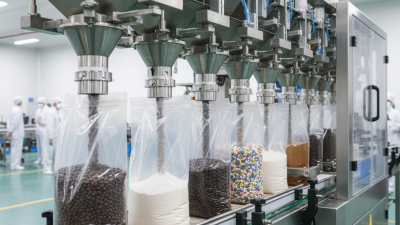
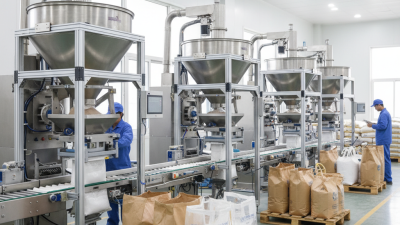
A bag filling machine is industrial equipment that measures products and places them into bags. It can handle powders, granules, pellets, and other dry materials. Common systems use augers, gravity feeders, or weigh hoppers. The correct method depends on product flow, density, and moisture.

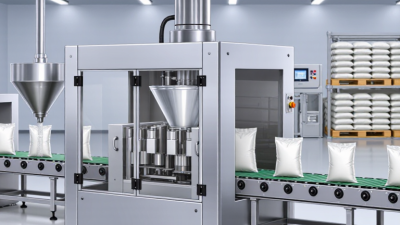
Its main functions include bag positioning, dosing, filling, sealing, and discharge. Load cells help control weight, while sensors detect bag presence and filling status. Some machines also remove excess air or reduce dust during operation. For example, a 25-kilogram grain bag may be filled, settled, sealed, and transferred within seconds.

Clean contact surfaces matter greatly in food processing. They also simplify routine inspection.

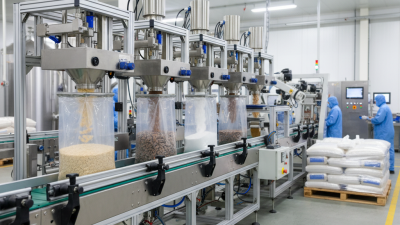
These machines serve food, agriculture, construction materials, animal feed, and selected chemical industries. Operators may fill flour, rice, seeds, cement, mineral powder, or plastic pellets.

Machine selection should follow material tests, target weight, bag design, and required output. A reliable supplier should provide operating data, safety protection, maintenance guidance, and documented testing.

Still, a filling line is not magically accurate. Humidity can change powder flow, and worn seals can cause leakage. Regular calibration and practical trials remain necessary. This is where many purchasing plans need more reflection. Fancy speed claims cannot replace stable weighing and safe operation.

Key Criteria for Evaluating Chinese Bag Filling Machine Manufacturers

China Top 10 Bag Filling Machine Manufacturers

Key Criteria for Evaluating Chinese Bag Filling Machine Manufacturers

Choosing among China’s top bag filling machine manufacturers requires more than comparing prices. Start with application evidence: bag size, powder flow, target weight, and hourly output. Ask for a live test using your material, not a substitute with better flow. Watch the scale display and inspect filled bags for dust, wrinkles, and unstable seals. Small details matter.

A credible factory should provide drawings, electrical specifications, component lists, and traceable test records. Review machining quality around hoppers, augers, load cells, and contact surfaces. Stainless steel alone proves little if welds are rough or corners collect residue. Check calibration procedures, software access, guarding, and emergency-stop response during an acceptance test. Request references from plants with similar materials and bag formats. Certificates should match the supplied machine, not merely decorate a sales file.

Service capacity often separates a workable machine from an expensive interruption. Confirm response times, spare-part availability, remote diagnostics, installation support, and operator training. Clarify what the warranty excludes. That question can feel uncomfortable, yet it exposes hidden costs. A factory may promise broad customization, but every change needs written scope, drawings, and a revised quotation. Real conditions change results. Dust, humidity, and operator habits can reduce claimed output, so evaluation records should include weaknesses as carefully as strengths.

Key Criteria for Evaluating Chinese Bag Filling Machine Manufacturers

This neutral 100-point procurement framework prioritizes filling accuracy and repeatability, production capacity, packaging compatibility, automation, hygiene and safety compliance, and after-sales support. It is intended for comparing manufacturers without using company or brand-specific data.

China’s Top 10 Bag Filling Machine Manufacturers

China’s Top 10 Bag Filling Machine Manufacturers

China’s top 10 bag filling machine manufacturers serve food, chemical, agricultural, and construction material producers. Their equipment commonly handles powders, granules, and small particles. A reliable machine should provide stable dosing, clean sealing, and simple operator access. Stainless steel contact parts help meet hygiene requirements in many production environments. Experienced buyers also inspect calibration records, factory testing procedures, and after-sales response times.

Machine performance depends on the product. Fine powder may create dust around the filling nozzle, while uneven granules can affect weight accuracy. Ask manufacturers for material trials using your actual product. Watch the weighing display during repeated cycles. Small errors become expensive across thousands of bags. Remote support is useful, but local technicians can resolve mechanical issues faster. Specifications alone are not enough.

Tips: Request a complete test report before ordering. Confirm bag sizes, filling speed, weight tolerance, power supply, and cleaning steps. Check whether spare sensors, sealing parts, and control components are available. A polished showroom can hide practical weaknesses. I would also observe a full production cycle, not only a short demonstration. Some suppliers may promise maximum speed, yet real output falls when operators change bags manually. That gap deserves careful questioning.

Machine Types, Technologies, and Customization Options

China Top 10 Bag Filling Machine Manufacturers

Machine Types, Technologies, and Customization Options

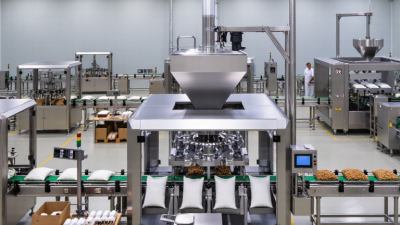
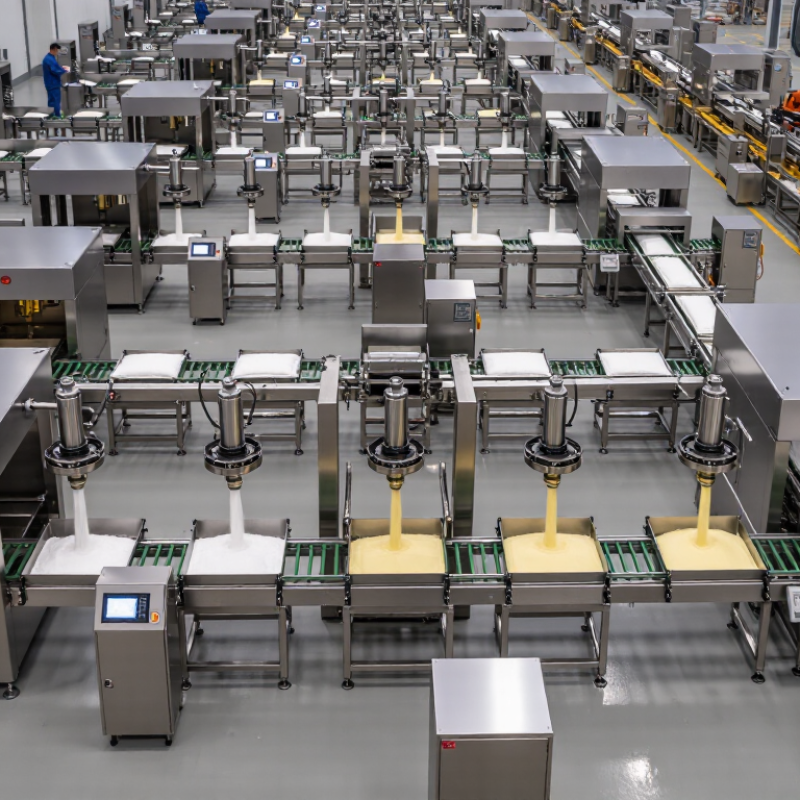
China’s bag filling machine sector covers auger, volumetric, net-weigh, and multihead weighing systems. Open-mouth fillers suit grains, powders, and pet food. Form-fill-seal machines create bags from roll stock, reducing manual handling. The best choice depends on product flow, moisture, density, and target speed.

Grand View Research valued the global packaging machinery market at about USD 52.83 billion in 2023. It forecasts a 5.8% compound annual growth rate through 2030. This growth is encouraging, but speed alone should not guide purchasing decisions. Dust matters. Product damage matters more.

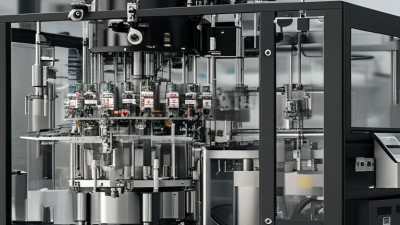
Modern equipment commonly uses servo motors, PLC controls, load cells, checkweighers, and touchscreen recipes. Vision inspection can detect poor seals or misplaced labels. Remote diagnostics may reduce downtime, although network security and operator training require attention. PMMI’s recent industry reports identify automation, labor efficiency, and data visibility as major investment priorities.

Customization often includes bag sizes, filling ranges, sealing methods, stainless-steel grades, and conveyor layouts. Food applications may require hygienic frames and tool-free cleaning. Fine powders need enclosed transfer paths and dust extraction. Granules may require vibration control and anti-bridging devices. A factory test with the actual material is essential. Samples can behave differently.

Some specifications remain easy to exaggerate. Claimed output may depend on bag size, product consistency, and operator skill. Buyers should request measured trial results, changeover time, weighing accuracy, and maintenance records before approving a machine.

Purchasing, Installation, and After-Sales Service Considerations

When comparing China’s top 10 bag filling machine manufacturers, purchasing decisions should begin with the product, not the quotation. Confirm the bag material, filling range, target speed, dust level, and acceptable weight tolerance. Ask for test videos using your actual powder or granules. A polished demonstration may hide feeding problems. Request drawings, utility requirements, spare-parts lists, and delivery milestones in writing. Fit matters more. Check whether the machine matches your existing conveyor, sealing unit, and electrical standards.

Installation deserves equal attention. Before shipment, prepare a level floor, lifting equipment, compressed air, power connections, and safe access around the machine. A remote installation can reduce costs, but only when manuals are clear and technicians respond quickly. During commissioning, record calibration settings and test at different bag weights. Do not accept perfect results from one short trial. Real production includes humid material, changing operators, and interrupted feeding. That weakness should be discussed openly.

After-sales service often separates a reliable supplier from a temporary seller. Confirm response times, remote diagnostic procedures, warranty coverage, and the availability of wear parts such as load cells, seals, and feeding screws. Ask who pays for travel and how technical support is documented. Training should cover cleaning, adjustment, fault codes, and safe restart procedures. Keep maintenance records from the first day. Some buyers focus too heavily on purchase price, including me in earlier evaluations. That choice can create expensive downtime later. A lower-cost machine is not economical when one missing sensor stops a full shift.

China Top 10 Bag Filling Machine Manufacturers - Purchasing, Installation, and After-Sales Service Considerations

No. Evaluation Dimension What to Verify Before Purchase Common Technical Reference Installation Consideration After-Sales Requirement
1 Material Compatibility Confirm whether the machine is suitable for powders, granules, flakes, pellets, or mixed materials. Auger filling is commonly used for powders; net-weigh and volumetric systems are commonly used for free-flowing granules. Provide representative product samples for factory testing before final approval. Require replacement-part recommendations for product-contact components and seals.
2 Target Bag Weight and Accuracy Define bag-weight range, acceptable error, production speed, and the applicable legal metrology requirements. Accuracy depends on product density, particle size, flowability, weighing method, and bag size; request test data for the actual product. Level the machine, protect load cells from vibration, and provide a stable compressed-air supply where required. Obtain calibration procedures, test weights, and a documented troubleshooting guide.
3 Bag Format and Sealing Method Check compatibility with open-mouth, valve, woven polypropylene, paper, laminated, or premade bags. Typical closure methods include sewing, heat sealing, ultrasonic sealing, and valve-bag closing. Confirm bag dimensions, inlet height, discharge height, and space for conveyors or palletizing equipment. Ask for sealing-jaw, sewing-head, heater, sensor, and cutter replacement intervals.
4 Throughput and Duty Cycle Compare guaranteed output under actual product and packaging conditions rather than relying only on an empty-machine rating. Actual output is affected by filling method, bag handling, product aeration, dust control, and operator loading time. Verify continuous-operation requirements, heat dissipation, dust extraction, and upstream product supply. Include preventive-maintenance intervals and guaranteed response time for production-critical failures.
5 Dust Control and Hygiene Review dust-tight construction, extraction points, product-contact materials, cleanability, and hazardous-area requirements. Stainless steel product-contact surfaces and accessible cleaning areas are commonly specified for food and pharmaceutical applications. Provide suitable local exhaust ventilation and ensure filters can be accessed safely for cleaning or replacement. Request sanitation instructions, dust-filter specifications, and documented material certificates where applicable.
6 Electrical and Safety Compliance Specify operating voltage, frequency, control-panel requirements, emergency stops, guards, and safety interlocks. ISO 12100 addresses machinery risk assessment and risk reduction; IEC 60204-1 addresses electrical equipment of machinery. Allow for grounding, correct incoming power, safe access, and verification of guarding before commissioning. Obtain electrical drawings, safety-circuit documentation, software backups, and spare safety components.
7 Automation and Integration Check communication protocols, recipe management, data logging, barcode or label integration, and upstream/downstream interfaces. PLC and HMI systems are commonly used for recipe control, alarms, parameter adjustment, and production monitoring. Confirm network architecture, cable routing, I/O allocation, and handshaking signals with connected equipment. Require password-management procedures, program backups, remote-support conditions, and operator training.
8 Factory Acceptance Testing Define measurable acceptance criteria for speed, accuracy, sealing quality, reject rate, noise, and changeover time. Testing should use the buyer’s product, bags, target weights, and agreed operating conditions whenever possible. Record test parameters, deviations, corrective actions, and final settings before shipment. Link final payment or warranty commencement to signed FAT and site-acceptance documentation.
9 Installation and Commissioning Clarify whether installation supervision, operator training, commissioning, travel, and translation are included in the quotation. Successful commissioning requires approved layout drawings, utility specifications, foundation details, and qualified personnel. Prepare foundations, power, air, ventilation, lifting equipment, access routes, and safety permits before delivery. Request commissioning records, training attendance sheets, punch-list closure, and a signed site-acceptance report.
10 Warranty, Spare Parts, and Service Compare warranty duration, exclusions, spare-parts pricing, technical-support channels, and service coverage in the destination country. A practical service agreement should define response time, remote diagnosis, on-site support, parts availability, and escalation procedures. Keep recommended commissioning spares and critical wear parts available before production begins. Require manuals, exploded views, parts lists, maintenance schedules, fault codes, and documented service-level commitments.

Note: Technical suitability, output, accuracy, and service commitments should be confirmed through product-specific testing and a written quotation. Actual results vary with material properties, bag specifications, operating conditions, and local compliance requirements.