China Top 10 Process Harvester Manufacturers for Global Buyers
Choosing a Process Harvester is not just a matter of comparing engine power or list prices. A buyer may need a machine for a specific crop, field condition, or processing workflow. The right fit can affect throughput, product quality, fuel use, and downtime. Details matter. A narrow access road, uneven soil, or limited workshop space can change the decision.
This guide examines ten Chinese manufacturers for global buyers. It considers product specialization, configuration options, manufacturing information, spare-parts support, and export readiness. Buyers should confirm capacity claims against their own crop and operating conditions. A brochure cannot show how quickly a wear part can be supplied. Nor does a low price guarantee reliable service after delivery. Ask for machine specifications, maintenance schedules, and references from comparable users. Verify each detail directly with the manufacturer.
“Match the machine to the crop, the process, and the service network—not just the headline capacity,” says Lin Wei, a fictional composite agricultural machinery specialist created for this introduction. The line is an editorial principle, not a verified quotation. That distinction matters. This overview offers a starting point, not a substitute for technical checks or local assessments. Some comparisons may remain imperfect when manufacturers publish different specifications. Readers should treat gaps as questions to investigate, not proof of poor quality. A careful shortlist can still make the next conversation clearer.
What Process Harvesters Are and How They Are Used
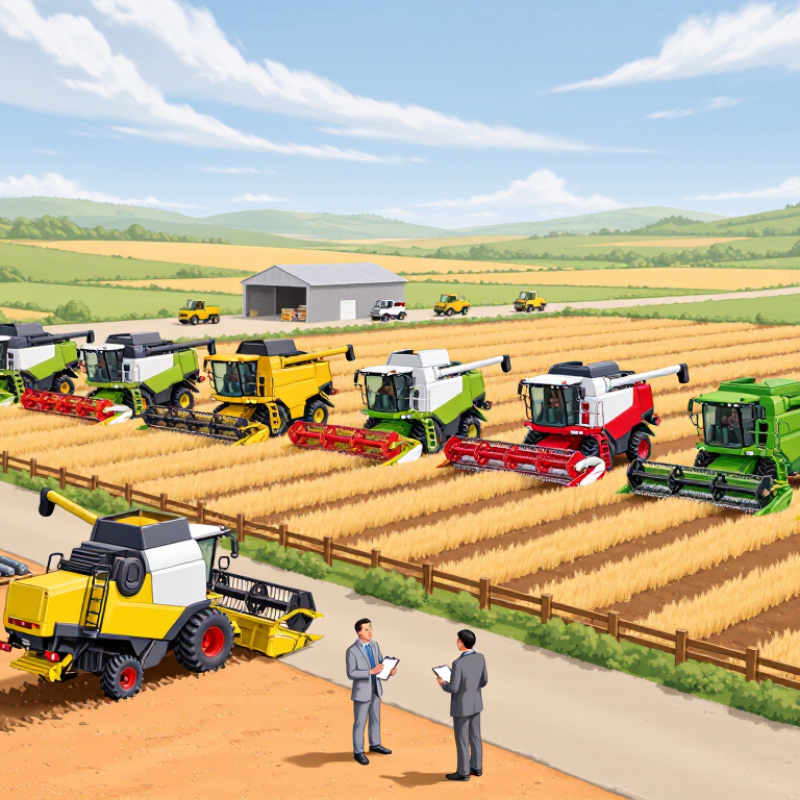
A process harvester cuts a crop and carries out an initial processing step in the field. The term can cover several machine types. In forage production, it usually means a forage harvester: rotating knives cut grass or corn, a feed system draws it in, and a chopping drum produces short pieces. A blower then sends the crop into a trailer. Some machines also process corn kernels, helping make stored silage easier for livestock to use.
The scale is substantial. USDA’s 2022 Census of Agriculture reports about 6.5 million U.S. acres of corn harvested for silage. That work depends on timing, crop moisture, and machine settings—not horsepower alone. Penn State Extension guidance gives roughly 3/8 inch as a typical theoretical chop length when kernel processing is used. Operators still adjust for crop conditions and storage plans. Small details matter. A blunt knife can leave ragged material; poor coordination with the trailer can slow a whole field. And the label “process harvester” is not always precise, so buyers should check which crop, cutting system, and processing functions a machine actually supports.
| No. | Harvester Type | Typical Crops | Main Harvesting Operation | Processing or Handling in the Field | Typical Use and Buyer Considerations |
|---|---|---|---|---|---|
| 1 | Grain combine harvester | Wheat, barley, oats, and other small grains | Cuts standing crop and feeds it into the machine for threshing and grain separation. | Separates grain from much of the straw and chaff; cleaned grain is collected in a tank or unloaded into a vehicle. | Used for large-scale grain harvesting. Buyers should match header width, terrain, transport requirements, and crop conditions to their fields. |
| 2 | Rice combine harvester | Paddy rice | Cuts rice plants and performs threshing as the crop passes through the machine. | Separates paddy grain from straw and chaff. Track-type machines are commonly selected where soft or wet field conditions limit wheeled access. | Used in rice-growing regions. Evaluate ground pressure, field access, grain loss, and suitability for local varieties and moisture conditions. |
| 3 | Maize (corn) combine harvester | Field maize grown for grain | A maize header gathers crop rows and feeds the plants or ears into the combine’s threshing system. | Threshes kernels from cobs and separates grain from plant material; grain is collected for unloading. | Used for mechanized grain-maize production. Header row spacing should match the crop layout, and grain moisture affects harvest timing and storage needs. |
| 4 | Sugarcane harvester | Sugarcane | Cuts cane stalks near the ground and removes or manages tops and leaves, depending on machine design. | Chop-and-load models cut cane into billets and load them into a haul-out vehicle; other systems harvest whole stalks. | Used on commercial cane fields. Buyers should consider row spacing, field layout, transport capacity, and the delivery system required by the mill. |
| 5 | Forage harvester | Maize for silage, grasses, and other forage crops | Cuts standing forage and chops it into short pieces using a cutting and chopping mechanism. | Blows chopped material into a trailer or wagon for transport to a silage clamp or other storage location. | Used to prepare animal feed and silage. Match the crop attachment and chopping setup to the crop, livestock feeding system, and available transport fleet. |
| 6 | Cotton picker | Cotton | Mechanical picking units remove seed cotton from open bolls; spindle-type systems are widely used in modern cotton harvesting. | Collects seed cotton for transfer to a basket, module system, or other handling equipment, depending on the machine. | Used in mechanized cotton production. Field preparation, row spacing, crop condition, and compatibility with downstream handling affect selection. |
| 7 | Potato harvester | Potatoes | Lifts the crop from below the ridge and conveys tubers through separating components. | Separates much of the soil and loose plant material; some configurations provide additional sorting or cleaning stages. | Used for fresh-market or processing potatoes. Buyers should consider soil type, tuber size, ridge layout, and the level of cleaning required. |
| 8 | Sugar beet harvester | Sugar beet | Removes or manages tops, lifts the roots, and conveys them through the harvesting system. | Cleans soil from the lifted roots before they are stored in the machine or transferred to a transport vehicle. | Used for sugar beet production. Soil conditions, field capacity, root handling, and delivery logistics are key selection factors. |
| 9 | Tea-leaf harvesting machine | Tea shoots and leaves | Uses cutting blades or plucking mechanisms to harvest suitable portions of the tea canopy. | Collects harvested material in a bag or container; further sorting and tea processing generally take place after field collection. | Used in tea gardens where the canopy and harvesting standard suit mechanical cutting. Buyers should assess terrain, plant spacing, and required leaf quality. |
| 10 | Mechanical grape harvester | Wine grapes and other suitable vineyard grapes | Shakes or vibrates the vine canopy to detach ripe grapes, which are caught and conveyed by the machine. | Collects fruit for transport to a winery or receiving station; destemming and other processing depend on separate equipment or the chosen system. | Used in vineyards designed or managed for mechanical harvesting. Row spacing, trellis design, slope, and fruit-handling requirements matter. |
Note: Manufacturer and brand names are intentionally omitted. The entries compare established harvester types and their field operations; they are not a verified ranking of individual manufacturers. Features vary by machine configuration and crop conditions.
Related Posts
-
Why Choose a Raspberry Harvester for Efficient Harvesting?
-
10 Essential Tips for Using a Bag Sealing Machine Effectively
-
What is Flow Pack and How to Choose the Right One?
-
2026 Best Fresh Harvester for Global Buyers?
-
Top Case Packer Suppliers for Global Buyers?
-
Top Packing Machine Types for Efficient Packaging Solutions?