Top Case Packer Suppliers for Global Buyers?
Choosing among top case packer suppliers takes more than comparing quoted speeds. A machine rated for 20 cartons per minute may perform differently with your actual carton sizes, product spacing, and line layout. Global buyers should examine case formats, changeover time, controls, guarding, and integration with upstream and downstream equipment. Small details matter.
A useful principle, paraphrasing packaging scholar Dr. Susan Selke’s systems-based perspective, is: “Judge the case packer by the whole packaging line, not speed alone.” This is a paraphrase, not a verbatim quotation. It points to a practical question: will the machine run steadily with your products, operators, and available maintenance support? Ask suppliers for comparable product trials, clear specifications, spare-parts plans, and references from installations with similar requirements. A polished demonstration is useful, but it cannot replace a test with your own cartons and products.
This outline will help buyers compare supplier capabilities, machine types, automation options, service coverage, and total operating needs. It will also consider installation support and access to technicians across regions. Not just speed. A lower purchase price can look attractive, yet difficult changeovers or delayed parts may increase operating costs. Still, verify locally. Supplier networks and response times vary by country, and marketing claims rarely show every constraint. The right choice depends on the line, not a universal ranking. A careful comparison may reveal trade-offs rather than one obvious winner.
What Case Packers Do and How They Fit into Packaging Lines
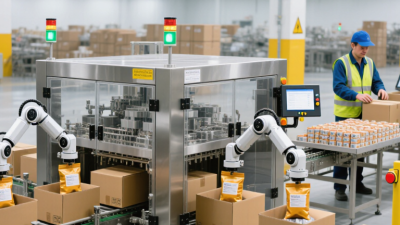
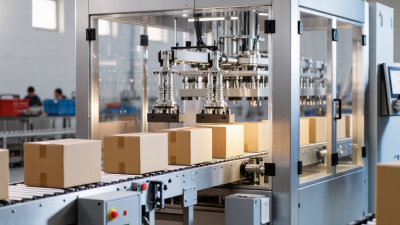
A case packer groups finished products and loads them into shipping cases. Depending on the design, it may form cartons from flat blanks, place products by handoff or robotic pick, then close and seal each case. A case can look simple. The timing is not. Bottles arriving unevenly, a soft carton blank, or a size change can interrupt the whole sequence.
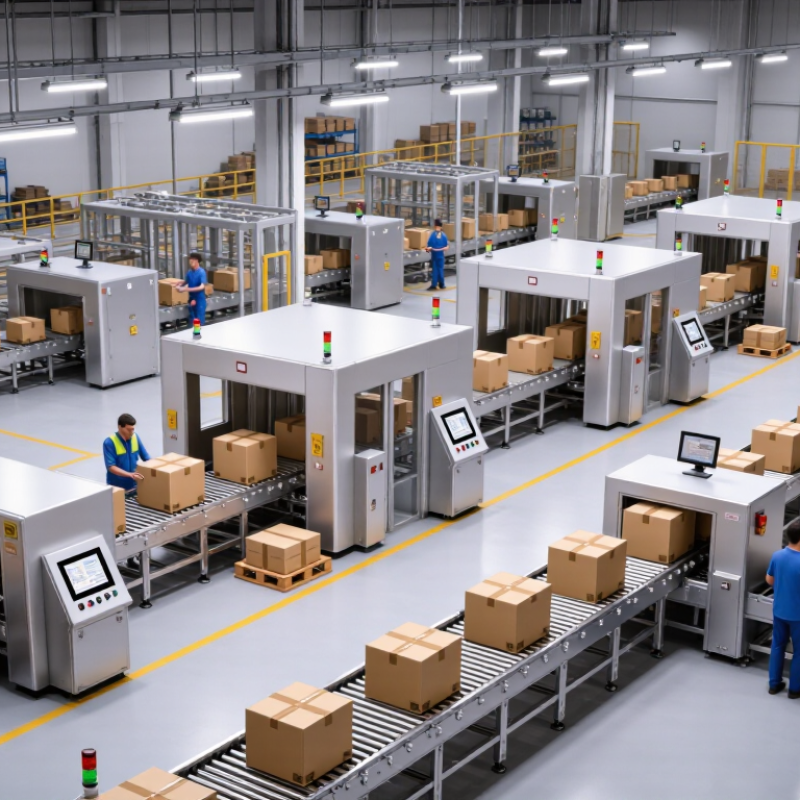
In a packaging line, the machine usually sits after filling, labeling, and inspection, and before palletizing. Conveyors, sensors, and controls coordinate product flow; case coding and checkweighing may sit nearby. The International Federation of Robotics reported 541,302 industrial robot installations worldwide in 2023 in its World Robotics 2024 report. That figure covers industrial robots broadly, not case packers specifically, but it reflects the wider move toward automated production. For buyers, line fit matters more than a headline speed: confirm product dimensions, case formats, changeover time, and how rejected packs are handled. Ask operators to test actual products and cartons, not ideal samples. It is easy to overlook awkward jams. They happen. A well-integrated case packer should also leave room for cleaning and routine access; otherwise, small stoppages can become frustratingly frequent.
Top Case Packer Suppliers for Global Buyers? – What Case Packers Do and How They Fit into Packaging Lines
| Case Packer Type | How It Packs Products | Common Applications | Typical Position in the Line | Key Supplier Capabilities to Evaluate | Integration and Purchasing Checks |
|---|---|---|---|---|---|
| Wraparound case packer | Forms a corrugated blank around a grouped product load, then closes and seals the case. | Bottles, cans, cartons, trays, and other products supplied in stable group patterns. | Usually follows product collation and precedes case coding, inspection, and palletizing. | Reliable blank feeding, accurate product collation, controlled case forming, and support for the required case formats. | Confirm product grouping, blank dimensions, board specifications, changeover method, and compatibility with the case sealer or integrated closing system. |
| Top-load case packer | Places products into an erected case from above, using a pick-and-place mechanism, grouping system, or robotic tool. | Products that need controlled placement, including containers, cartons, pouches, and mixed or fragile items. | Typically receives products from an infeed conveyor and erected cases from a case erector. | Appropriate gripping or handling options, dependable case positioning, recipe-based controls, and provisions for product protection. | Check product orientation, case opening access, loading pattern, allowable product contact, and synchronization with both upstream and downstream equipment. |
| Side-load case packer | Groups products and loads them horizontally through the side of a case, often using a pushing or transfer mechanism. | Cartons, multipacks, and products that can be collated into a stable horizontal group. | Often installed after a cartoner, bundler, or product grouping conveyor and before case closing. | Consistent collation, gentle transfer, adjustable guides, and format parts suited to the product and case range. | Verify product stability during transfer, case orientation, loading pattern, available floor space, and access for clearing jams and performing changeovers. |
| Robotic case packing cell | Uses an industrial robot to pick products or groups and place them into cases according to a programmed pattern. | Multiple product formats, variable pack patterns, and applications requiring flexible product handling. | Can be positioned after product collation, with case erection and case closing equipment arranged around the cell. | Suitable end-of-arm tooling, validated pick-and-place patterns, safety guarding, accessible programming, and service support. | Assess robot reach and payload against the actual load, tool-change needs, line speed requirements, safety layout, and recovery procedures after a stoppage. |
| Drop packer | Groups products above an open case and releases them into it, commonly using a controlled drop or lowering mechanism. | Products that tolerate the transfer method and can be arranged in a stable group before loading. | Generally follows product collation and case erection and is followed by case sealing or closing. | Accurate grouping, controlled release, adjustable guides, and safeguards against product damage or misloads. | Test the actual product and pack pattern, including product fragility, orientation, case depth, and the effect of transfer on labels or closures. |
Buyer note: There is no universal supplier ranking that applies to every packaging line. Compare suppliers against the same product samples, case drawings, required pack patterns, operating conditions, service expectations, and line-integration requirements. Confirm proposed performance through application testing and a written acceptance plan.