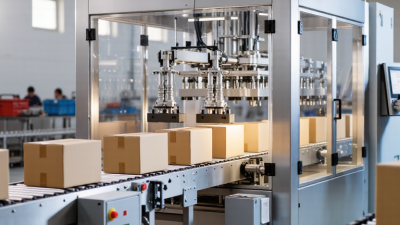
Choosing among the top 10 case packing machines for global buyers requires more than comparing prices and speeds. Each machine must match the product, carton style, factory layout, and local service conditions. A system that handles 60 cartons per minute may perform poorly with fragile bottles, uneven products, or changing case dimensions. Real-world evaluation matters.
This guide examines leading case packing solutions through practical purchasing factors. These include loading accuracy, changeover time, machine footprint, safety design, energy use, and maintenance access. It also considers how suppliers support installation, operator training, spare parts, and remote troubleshooting. A reliable case packing machine should protect products while maintaining stable output during long production shifts.
No ranking is perfect.
Buyer priorities differ widely. A beverage producer may value robotic flexibility, while a food manufacturer may need gentle handling and washdown-ready construction. Packaging tests should use actual products and cartons, not only supplier demonstrations. Ask for recorded performance data, reference installations, warranty terms, and total ownership costs. Small details matter, such as tool-free adjustments, clear sensor positions, and an operator panel available in the required language.
Some recommendations may need further verification. Supplier specifications can change, and advertised capacity may depend on ideal conditions. Careful buyers should challenge every assumption before signing a purchase agreement. With technical evidence and experienced consultation, global manufacturers can identify equipment that fits today’s needs and remains adaptable as packaging formats evolve.
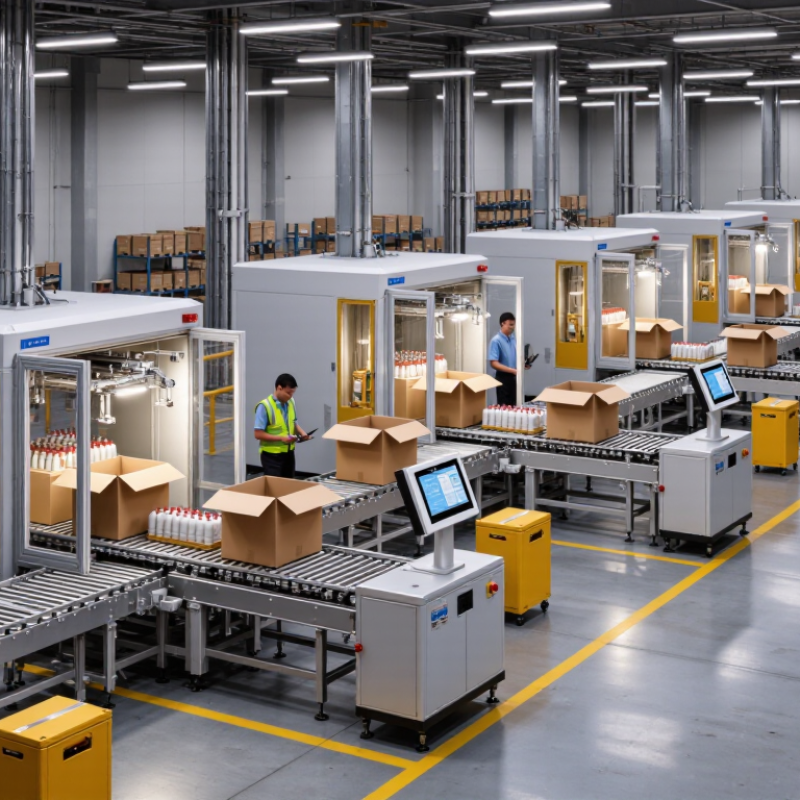
Global buyers comparing the top ten case packing machines should begin with product behavior, not appearance. A case packer loads products into shipping cartons with controlled speed and consistent placement. Common types include wraparound, pick-and-place, robotic, and vertical drop packing machines. Robotic systems suit mixed product sizes and frequent changeovers. Wraparound machines often provide compact cartons for bottles, boxes, and trays. Vertical systems can handle stable products efficiently. Some designs are intermittent; others run continuously.
The core functions include product collation, carton forming, loading, closing, sealing, and code verification. Sensors detect missing items before sealing. Servo-driven movements help maintain accurate spacing at high speeds. Automatic format adjustment can reduce downtime when package dimensions change.
Still, automation is not magic. Poor product flow can stop an expensive line.
Case packers support food, beverage, household, pharmaceutical, and general consumer goods applications. Each sector demands different hygiene, handling, and inspection details. Fragile containers may need gentle robotic gripping. Heavy cartons require stronger compression and sealing control. A buyer should review case dimensions, output targets, available floor space, and operator skills. Energy use and spare-part access also affect long-term reliability. In real factories, the fastest machine on paper may perform poorly with unstable products. Pilot testing is worth the extra effort. Even a small carton distortion can create repeated jams.
Global purchasing demands more than comparing hourly output. A case packing machine should match carton dimensions, product fragility, line speed, and available floor space. Smithers projects the global packaging market to exceed 1.2 trillion dollars by 2028, increasing pressure on flexible and reliable automation. Ask suppliers for verified output under real product conditions, not only laboratory figures.
Changeover time matters. A machine requiring 45 minutes between formats may reduce annual capacity more than expected. Check tool-free adjustments, recipe storage, sensor access, and error recovery.
The International Federation of Robotics reported 541,302 industrial robot installations in 2023. This shows strong automation demand, but robots do not remove the need for skilled operators and maintenance planning.
Look closely at utilities, electrical standards, guarding, and documentation. Confirm compatibility with local voltage, compressed-air quality, safety requirements, and communication protocols.
Request factory acceptance testing with your cartons and products. A spare-parts list should include lead times, not just part numbers.
Local technical support is valuable, especially during the first production weeks. Be cautious with promised payback periods; they often exclude training, integration, downtime, and format losses.
The cheaper machine may not remain cheaper.
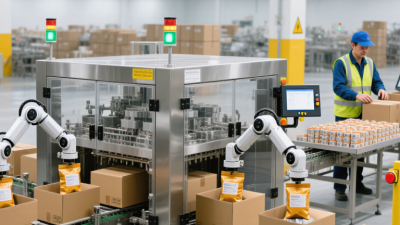
The best case packing machines differ in structure, speed, flexibility, and maintenance demands. Wraparound packers suit stable cartons and produce tight, retail-ready cases. Drop packers handle grouped products efficiently, especially when items tolerate controlled impact. Pick-and-place systems offer accurate loading for fragile containers. Side-load machines save floor space and support smooth product transfers.
Robotic case packers rank highly for changing product sizes and irregular patterns. Their grippers need careful testing with wet, dusty, or slippery packages. Top-load systems provide clear visibility and quick format changes. Continuous-motion packers deliver impressive output, but they require precise timing and skilled technicians. Intermittent machines run slower, yet they often simplify troubleshooting. Compact modular designs help smaller facilities expand without replacing the entire line.
Performance depends on more than advertised speed. During equipment evaluations, I check case squareness, reject rates, changeover time, noise, and access to service points. A machine producing 40 cases per minute may underperform if operators struggle with adjustments. That happens often. Energy use and spare-part availability also influence long-term reliability. Buyers should request trials using their actual products, cases, and packing patterns. A design that performs well with empty cartons may behave differently during a full production shift. Safety guarding, sensor placement, documentation, and training deserve equal attention. The fastest machine is not always the most practical choice.
Top 10 Case Packing Machines for Global Buyers?
Selecting a case packing machine requires more than comparing advertised speed. Check the product range, case dimensions, carton strength, and required output. A suitable machine should handle your smallest and largest formats without constant adjustment. Typical specifications include cycle rate, infeed height, compressed-air demand, electrical load, and sealing method. Ask for test results using your actual products. A clean factory trial reveals problems that brochures often hide.
Automation options affect labor, consistency, and maintenance. Servo-driven movements support accurate placement, while robotic loading suits mixed product patterns. Sensors can detect missing items, open cartons, or poor alignment. A clear HMI helps operators change formats quickly. Remote diagnostics may reduce downtime, but they depend on stable network access and trained technicians. In some evaluations, the fastest machine was not the best choice. Its changeover process took too long.
Tips: Confirm compatibility with existing conveyors, case erectors, sealers, and palletizing equipment. Check product contact materials and washdown requirements. Request spare-parts lists and training details before purchase. Verify voltage, safety guarding, language settings, and local service coverage. Do not trust a single performance figure. Measure complete-line output, including stops, changeovers, and rejected cases. Your final selection may be less powerful, but more dependable.
Buying a case packing machine involves more than comparing speed and price. In field installations, floor space and utility access often cause bigger delays than shipping. Measure the line, doorways, ceiling height, and pallet routes before delivery. Confirm electrical voltage, compressed-air quality, and carton dimensions with the supplier. A simple site drawing prevents expensive surprises.
Installation should include operator training, guarded moving parts, emergency stops, and clear lockout procedures. Test every sensor with empty and loaded cases. Watch for unstable cartons, crushed corners, and rejected products during a full production trial. Safety checks must be practical, not just paperwork. Operators should reach cleaning points without climbing on the frame. That detail matters.
Maintenance planning protects total ownership costs. Keep a list of wear parts, lubrication intervals, software backups, and response contacts. Record stoppages by cause, not only by duration. A five-minute sensor fault may repeat forty times daily. Energy use, compressed-air leaks, changeover labor, and spare-part shipping can outweigh the original purchase-price difference. I have seen a low-cost machine become expensive after one year of rushed maintenance. That judgment can be unfair, because poor training may have caused the problem. Review service records before blaming the equipment. A reliable evaluation includes uptime evidence, technician access, safety performance, and realistic production volumes.
A&B has become the leader in fresh packing and cleaning equipment for fruits and vegetables worldwide. We have achieved this by relentlessly working to produce new and innovative ideas, along with the best customer service on Earth combined with hard working, dedicated, loyal employees and the latest industrial manufacturing techniques. We are now proud to say that we manufacture The Fulcrum Fresh Harvester, this is a one of a kind Berry Harvester that was specifically designed to handle fresh pick blueberries.
732 W. Saint Joseph Street
Lawrence, MI 49064
Phone: 269-539-4700 Fax: 269-539-4705
sale@industrialpackagingmachines.com