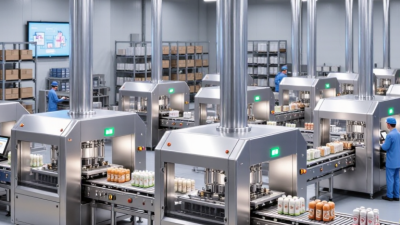
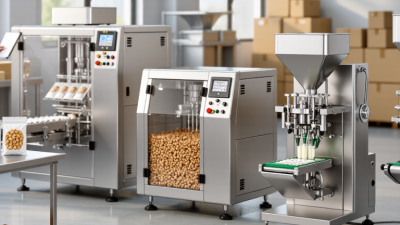
China’s packaging machinery sector spans high-speed filling lines, carton erectors, labeling systems, and compact machines for smaller factories. This guide introduces ten manufacturers to help buyers compare capabilities, rather than treating one ranking as a universal verdict. A supplier’s fit depends on the product, required output, available floor space, and support after installation. Small details matter: a changeover that takes minutes, clear operator instructions, and accessible spare parts can shape daily performance.
For this overview, packaging engineer Chen Wei represents a practical industry perspective: “The right package machine must fit the product, the line, and the people who run it.” That is a useful test, not a substitute for checking specifications, factory references, and service terms. Ask how the machine handles your actual packaging materials. Request a demonstration with your product, if possible. Look closely at cleaning access, changeover steps, and control-panel clarity. These checks can reveal gaps that polished brochures may not show.
China’s manufacturers differ in specialization, export experience, customization, and technical support. Some focus on complete production lines; others excel at individual machines. Claims about speed or accuracy also deserve careful verification under comparable conditions. No list can capture every factory’s needs. Even a promising shortlist can miss a key requirement. The profiles ahead offer a starting point for informed conversations and direct due diligence.
Packaging machines convert loose products into sealed, identified, transport-ready units. A line may form a pouch, dispense rice, seal the pack, print a batch code, and check its weight. Cartons, bottles, trays, and cases each require different tooling. That difference matters. Operators also adjust settings for product size, packaging material, and production speed.
Packaging helps protect products and supports consistent handling. FAO’s 2023 SDG progress assessment estimated that 13.2% of food was lost globally in 2021 between harvest and retail. This is not a packaging-machine performance figure. Still, accurate filling, sound seals, and readable batch codes can support handling and traceability. They cannot fix poor storage or contaminated inputs. Inspection systems can flag underweight packs or crooked labels before cartons reach a pallet.
Machines can reduce repetitive manual work and keep output more consistent across shifts. But fast production is not automatically efficient. Sensors need calibration, and sealing jaws need regular checks. A poorly adjusted line can waste film or create weak seals. Changeovers between pack sizes also take time, especially when guides and settings require manual adjustment. Operators’ experience remains important; automation does not remove the need to watch the product and verify the pack.
China Top 10 Packaging Machine Manufacturers
How China’s Packaging Machinery Industry Is Organized
China’s packaging machinery industry is organized around tasks, production stages, and levels of integration. Some manufacturers specialize in filling, sealing, labeling, or cartoning. Others build complete lines that connect several machines with conveyors and control systems. The boundaries are not always neat.
A typical project may involve a machine builder, component suppliers, and a systems integrator. Component suppliers provide items such as motors, sensors, pumps, and control units. Machine builders adapt equipment to containers, films, cartons, and product characteristics. Integrators coordinate layouts, safety interfaces, and communication between machines. For buyers, this structure can mean more configuration options, but also more parties to assess.
Production needs shape each segment. A beverage line may prioritize stable filling and cap placement, while a snack line may need accurate weighing and film sealing. Details matter. Ask how changeovers work, which package sizes were tested, and whether quoted output reflects continuous production or ideal conditions. A factory trial using the buyer’s materials can reveal jams, seal variation, or awkward cleaning access. On paper, equipment may look complete. Spare-parts support and operator training still deserve careful review. Even the categories can mislead; one supplier may build a single machine, then coordinate a wider line through partners.
Comparing China’s packaging machine manufacturers requires more than matching brochure specifications. Start with the product, package size, and target output you actually need. Ask each supplier to run a sample using your materials. Watch how consistently the machine fills, seals, labels, and handles small variations. A showroom demonstration is useful, but it may not reflect a full production shift.
Look closely at practical details. Can operators change formats without special tools? How long does cleaning take, and are product-contact parts easy to inspect? Request measured output, reject rates, and test conditions, not just a maximum speed. Small details matter. A film roll that feeds unevenly can cause frequent stops. Confirm which wear parts are stocked locally, how quickly technical support responds, and whether operating manuals are clear for your team.
Compare total ownership costs alongside the purchase price. Include installation, training, spare parts, energy use, and expected maintenance. Ask for references from businesses handling similar products and packaging formats. Then verify those claims with a call or site visit, if possible. No scorecard is perfect. Weight reliability and service according to your own production risks; a cheaper machine may still be the right choice, but only when its trade-offs are visible.
A useful profile of China’s leading packaging machinery manufacturers should compare more than headline speed. Grand View Research estimated the global packaging machinery market at about US$45.9 billion in 2023, with projected annual growth of 5.3% through 2030. That demand spans filling, labeling, cartoning, case packing, and end-of-line automation. Details matter.
Across ten supplier profiles, buyers can assess distinct strengths: liquid-filling lines, powder dosing, flexible-packaging equipment, labeling systems, and integrated production cells. A practical profile should note changeover time, product-contact materials, control-system options, and access to spare parts. For example, switching between two bottle sizes may require guide adjustments, recipe changes, and a sanitation check. Published maximum speeds rarely show the full changeover burden.
Manufacturers should also be compared on commissioning support, operator training, and documented acceptance tests. Ask for sustained output data using a product and container close to your own; demonstration runs can be unusually tidy. A useful profile separates verified specifications from estimates and identifies the test conditions behind each figure. This takes more space, but avoids false precision. Regional service coverage and replacement-part lead times deserve equal attention, especially for plants running multiple shifts.
| Profile | Specialty | Common Machine Types | Typical Packaging Formats | Common End-Use Sectors | Typical Line Integration |
|---|---|---|---|---|---|
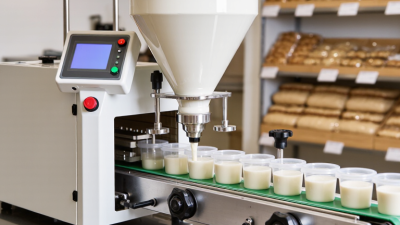
| 01 | Liquid filling and capping | Bottle rinsers, liquid fillers, cap sorters, cappers | Bottles and jars with screw or press-on closures | Beverages, household liquids, personal care products | Filling, capping, labeling, and conveying sections |
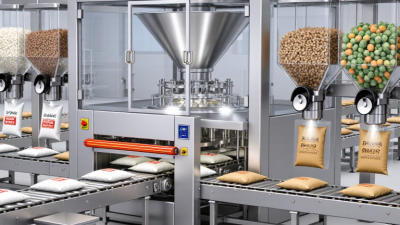
| 02 | Flexible packaging and pouching | Form-fill-seal machines, pouch fillers, sealing machines | Pillow bags, gusseted bags, and premade pouches | Snacks, powders, grains, frozen foods | Product dosing, bag forming or loading, sealing, coding |
| 03 | Cartoning and carton packing | Carton erectors, cartoners, carton sealers | Folding cartons and corrugated cases | Food, pharmaceuticals, cosmetics, consumer goods | Product loading, leaflet insertion, carton closing, case packing |
| 04 | Labeling and coding | Pressure-sensitive labelers, sleeve applicators, date coders | Labels and printed codes applied to bottles, cartons, and packs | Food, beverage, pharmaceutical, and personal care packaging | Inline integration with filling, inspection, and conveying equipment |
| 05 | Powder and granule dosing | Auger fillers, weigh fillers, bagging machines | Bags, pouches, jars, and containers | Flour, spices, coffee, detergents, and other dry products | Dosing, filling, sealing, checkweighing, and conveying |
| 06 | Weighing and portioning | Multihead weighers, linear weighers, combination scales | Retail bags, trays, and containers | Confectionery, produce, snacks, and frozen products | Product feeding and weighing linked to bagging or filling machines |
| 07 | Vacuum and modified-atmosphere packaging | Vacuum sealers, tray sealers, chamber packaging machines | Vacuum bags and sealed trays | Meat, seafood, prepared foods, and selected medical products | Product loading, air removal or gas flushing, sealing, inspection |
| 08 | Shrink wrapping and bundling | Sleeve wrappers, shrink tunnels, multipack bundlers | Film-wrapped single products and multipacks | Beverages, household products, printed goods | Grouping, film application, heat shrinking, downstream conveying |
| 09 | Palletizing and end-of-line handling | Case packers, palletizers, pallet stretch wrappers | Cases, trays, and palletized loads | Food, beverage, building materials, and general manufacturing | Case forming and packing, pallet stacking, load stabilization |
| 10 | Integrated packaging lines | Configured combinations of filling, wrapping, cartoning, and conveying machines | Formats selected to suit the product and production process | Food, beverage, cosmetics, pharmaceuticals, and consumer goods | Coordinated equipment layout, controls, material flow, and end-of-line handling |
Note: These are anonymized capability profiles describing common packaging-machine categories and applications; they are not company rankings or claims about specific manufacturers.
China’s top packaging-machine manufacturers serve buyers through complete production lines and individual machines. Common products include liquid fillers, pouch and bottle sealers, cartoners, labelers, case packers, and palletizers. Food and beverage plants need fast changeovers for varied pack sizes. Pharmaceutical facilities prioritize repeatable dosing, traceability, and cleanable contact surfaces. Personal-care and household-chemical producers often require flexible filling and capping systems. Small details matter.
Global demand gives this supplier base room to grow. Grand View Research’s 2024 packaging machinery market analysis estimated the global market at about US$45.6 billion in 2023, with projected annual growth of 5.3% through 2030. PMMI’s 2024 State of the Industry report put U.S. packaging machinery shipments at roughly US$10.2 billion in 2023. These figures point to substantial demand, but they do not guarantee that every machine suits every plant.
Overseas buyers commonly assess line speed, available floor space, local service, spare-part access, and integration with existing equipment. Exported systems may serve processors across Asia, Europe, the Americas, and the Middle East, where product formats and operating conditions differ. A line that performs well in a factory trial may need adjustment after installation. That gap deserves attention. Buyers should check material compatibility, changeover procedures, and documented performance under their own production conditions.
A&B has become the leader in fresh packing and cleaning equipment for fruits and vegetables worldwide. We have achieved this by relentlessly working to produce new and innovative ideas, along with the best customer service on Earth combined with hard working, dedicated, loyal employees and the latest industrial manufacturing techniques. We are now proud to say that we manufacture The Fulcrum Fresh Harvester, this is a one of a kind Berry Harvester that was specifically designed to handle fresh pick blueberries.
732 W. Saint Joseph Street
Lawrence, MI 49064
Phone: 269-539-4700 Fax: 269-539-4705
sale@industrialpackagingmachines.com