What Are the Top China Case Packer Manufacturers?
Choosing among China’s top case packer manufacturers requires more than comparing prices or browsing polished factory websites. A reliable review should examine engineering experience, machine stability, service quality, and proven results in real production environments. Buyers should look for manufacturers that can handle their carton sizes, product shapes, packing patterns, and required speeds. A machine that runs beautifully during a demonstration may behave differently beside a dusty conveyor at midnight.
Packaging automation consultant John R. Henry often states, “Automation should make the process simpler, not merely faster.” That principle matters when evaluating a case packer from China. Strong manufacturers usually provide clear technical drawings, factory acceptance testing, spare-parts guidance, and practical operator training. Their equipment should support accurate carton forming, gentle product loading, dependable sealing, and quick changeovers. Ask for customer references, especially from facilities using similar products and packaging materials. Do not accept vague claims about “high efficiency.” Request measurable data, such as cartons per minute, uptime, changeover time, and rejected-case rates.
This article will examine leading China case packer manufacturers through those practical criteria. It will consider their product range, customization ability, control systems, quality procedures, and after-sales support. Some companies may appear impressive but lack transparent installation records. Others may offer modest equipment with surprisingly strong service. That difference deserves attention. Manufacturer rankings can also change as technology, export support, and customer feedback develop. Readers should verify current certifications, testing results, warranty terms, and service coverage before making a final purchasing decision. Cost matters, but a cheaper machine can become expensive when parts, training, and response time are overlooked.
China’s Case Packer Manufacturing Landscape
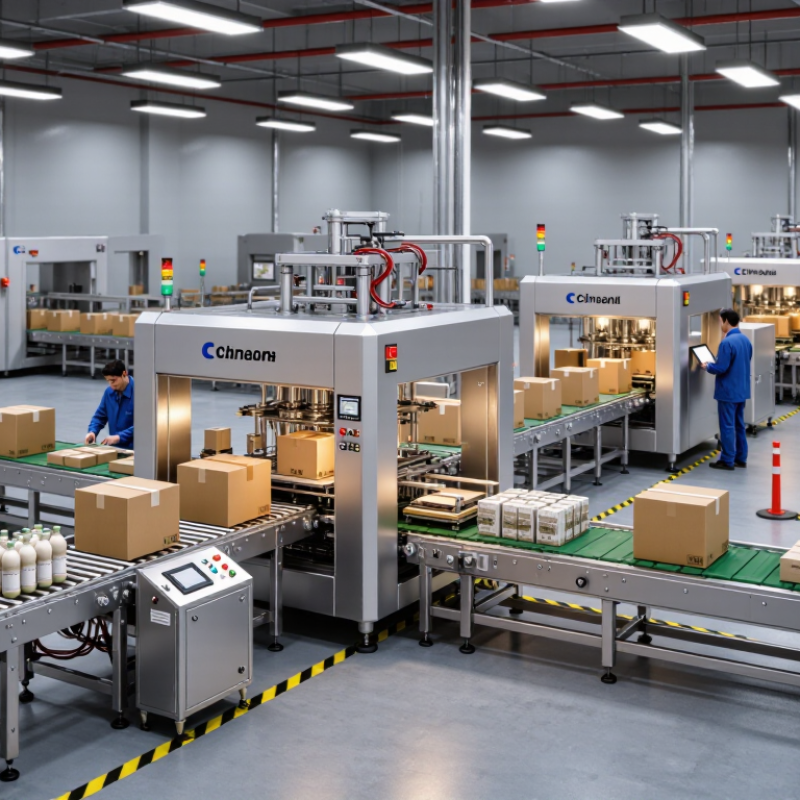
China’s case packer manufacturing landscape is broad, practical, and highly competitive. Manufacturers serve food, beverage, household, pharmaceutical, and personal care production lines. Their machines commonly handle corrugated cases, trays, wraparound cartons, and taped closures. The market is not uniform. Some factories focus on compact machines for mid-sized plants. Others build complete packing systems for high-volume operations.
Experienced manufacturers usually provide robotic loading, carton forming, case sealing, and conveyor integration. Servo motors can improve placement accuracy, especially when products arrive at uneven intervals. Stainless steel frames help in humid or washdown areas. A reliable supplier should also explain changeover time, spare-part availability, and operator training. These details often matter more than a machine’s headline speed.
Factory audits reveal useful differences.
Check weld quality, electrical cabinet organization, guarding, and software documentation. Ask for a live demonstration with your actual product and case dimensions. A machine may perform well with standard boxes but struggle with soft bags or unstable bottles. That weakness should be discussed openly. Not every supplier measures downtime in the same way, either. Buyers should request cycle data, maintenance records, and acceptance-test criteria before signing an order. Service teams located near major manufacturing regions can shorten response times, but coverage still needs verification. Some suppliers present polished samples yet provide limited technical follow-up. That is a risk worth considering.
Key Types of Case Packers Produced in China
China’s case packer manufacturers produce several machine types for food, beverage, household, and general industrial packaging. The right choice depends on carton style, product shape, speed, and available floor space. A machine that performs well with bottles may struggle with flexible pouches.
Robotic case packers offer flexible product handling and quick format changes. They use programmable arms to place products into cases in different patterns. This suits mixed product sizes and frequent production changes. Pick-and-place systems are often compact and easy to adapt. However, their performance depends heavily on gripper design and product stability.
Top-load case packers place products vertically into open cases. They work well for bags, cartons, trays, and irregular items. Side-load machines move products horizontally into cases, supporting high-speed lines with consistent product dimensions. Wraparound case packers form cases around grouped products, reducing separate carton handling. RSC case packers load products into pre-formed regular slotted containers. They are practical for standardized shipping cartons.
In real factory projects, I check case dimensions, sealing quality, changeover time, and operator access before comparing suppliers. Factory trials reveal problems that brochures often miss. A faster machine is not always the better investment. Unstable products, weak cartons, or poor sensor positioning can reduce actual output. Chinese manufacturers may offer customized conveyors, carton handling, and control systems, but technical communication must be precise. Even small errors in product drawings can affect the final packing pattern.
What Are the Top China Case Packer Manufacturers?
Key Types of Case Packers Produced in China
The chart compares typical operating-speed ranges for major case packer configurations commonly produced in China. Actual throughput depends on carton dimensions, product characteristics, packing patterns, changeover requirements, and line configuration.
How China Case Packer Manufacturers Compare
China case packer manufacturers vary widely in engineering depth, production capacity, and after-sales support. Some focus on standard side-loading machines for cartons and pouches. Others build customized robotic systems for irregular products. Comparing them requires more than checking the lowest quotation. Factory experience, testing procedures, and documentation often reveal the real difference.
An experienced manufacturer should explain cycle speed using actual product conditions. Ask for sample trials with your cartons, product dimensions, film type, and packing pattern. A reliable supplier can provide videos, test records, layout drawings, and a clear FAT process. Servo positioning, carton detection, tool-free adjustments, and accessible safety guards can reduce daily interruptions. Small details matter. Operators notice them during every shift.
Service quality is another important comparison point. Check spare-parts availability, remote troubleshooting, installation support, and technician response times. Some manufacturers offer strong customization but provide weaker documentation. Others deliver polished manuals yet struggle with unusual product shapes. That gap is easy to miss before purchase. Consider total ownership cost, not only the machine price. Energy use, changeover time, rejected cartons, and maintenance access all affect performance. A practical audit should include production records, quality controls, electrical standards, and worker training. No supplier is perfect. Your team should record unresolved questions and test risky assumptions before signing.
Factors for Selecting a Reliable Chinese Case Packer Supplier
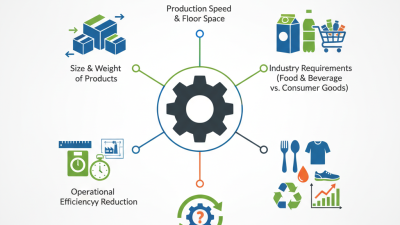
Choosing among China case packer manufacturers requires more than comparing prices. A reliable supplier should show proven experience with your carton size, product weight, and packing speed. PMMI’s 2024 State of the Industry report identifies labor availability and automation as major packaging concerns. This makes stable, easy-to-operate equipment increasingly valuable.
Request factory acceptance records, production videos, and references from similar applications. Check whether the supplier measures output under real conditions, including carton changes and brief stoppages. A quoted speed of 20 cases per minute may not equal sustained production. Ask for the expected overall equipment effectiveness, changeover time, and reject rate. These details reveal professional engineering more clearly than polished brochures. The IFR World Robotics 2024 report recorded 541,302 industrial robot installations globally in 2023. However, automation alone does not guarantee quality. Poor sensors, weak software integration, or slow technical support can create expensive downtime.
Tips: Compare total ownership cost, not only purchase price. Confirm spare-parts availability, remote diagnostics, installation training, and response times in writing. Ask for a sample test using your actual cartons and products. I have seen low bids become costly after small format changes. That warning deserves attention. Also inspect welding, guarding, electrical labeling, and documentation before payment. A supplier may pass a factory test yet still need improvement in operator guidance. Leave room for reflection, and verify every promise with measurable acceptance criteria.