What Is a Bag Filling Machine?

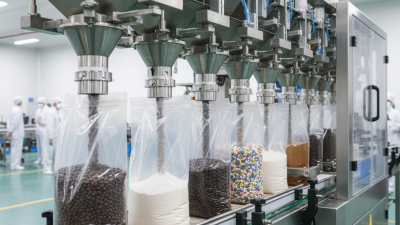
A bag filling machine is equipment that measures and dispenses a product into bags. Depending on the model, it may handle powders, granules, liquids, or solid pieces. A basic setup can include a hopper, a dosing mechanism, a bag holder, and a control panel. Some systems also seal the filled bag or move it along a conveyor. The exact arrangement depends on the product and the required filling rate.

It sounds straightforward. In practice, product behavior matters. Fine powder may create dust, while sticky material can cling to a chute. Irregular pieces may not flow evenly. Operators therefore consider fill accuracy, bag size, material properties, cleaning needs, and production volume when choosing equipment. A short test with the actual product can reveal issues that a specification sheet may not show. Useful checks include weighing sample bags and watching for spills or inconsistent dosing. Keep the limits in view. A bag filling machine does not automatically solve every packaging problem; it must be matched to the product, packaging, and work environment. This guide explains common machine types, how their filling methods differ, and what to assess before selecting one. It also considers routine operation, because small setup changes can affect results. Real conditions are rarely perfect. That is worth remembering.
What Is a Bag Filling Machine?

Definition and Purpose of a Bag Filling Machine

What Is a Bag Filling Machine?

Definition and Purpose of a Bag Filling Machine

A bag filling machine is equipment that measures and dispenses a product into an open or preformed bag. Its main purpose is to make filling more consistent, controlled, and efficient than manual scooping. Depending on the product, the machine may use a weighing system, an auger, a liquid pump, or a volumetric cup. Powder, grain, pellets, and liquids each behave differently, so one filling method rarely suits every material.

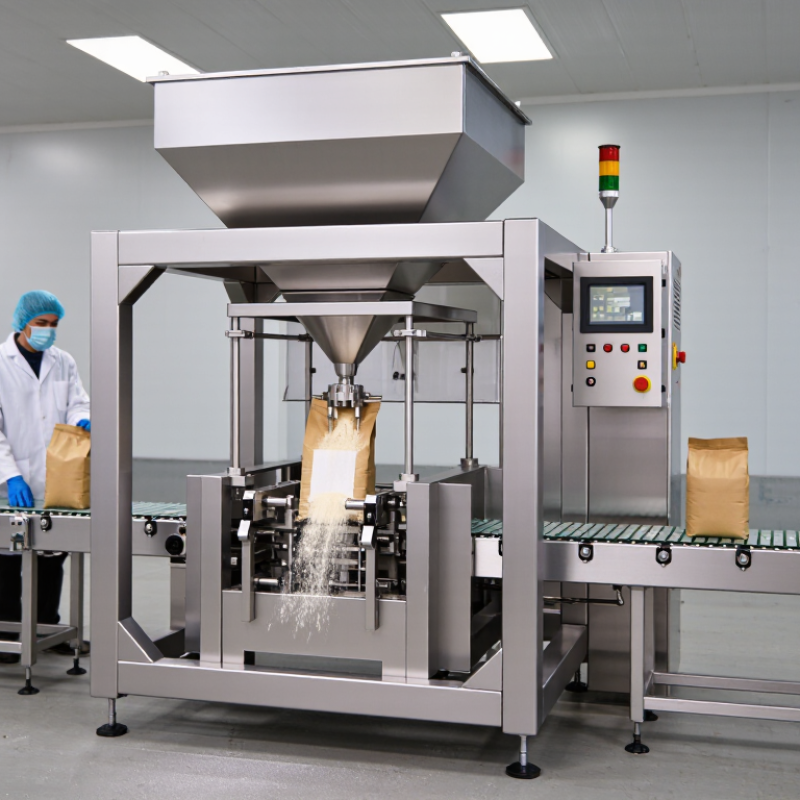
On a typical line, an operator places a bag beneath a filling spout or positions it on a support platform. The machine releases a set amount, while sensors or scales help control the dose. A small spill can affect cleanliness and product loss. Dusty powders may need extraction, while fragile pieces may require a gentler drop. After filling, the bag may move to a separate sealing station; not every filler seals bags itself. Selection depends on bag size, target weight, product flow, and the required output rate. Real conditions can be less tidy than specifications suggest: humidity, changing material texture, or a poorly aligned bag may affect performance. Regular checks and test fills help reveal those limits.

Main Components and Their Functions

What Is a Bag Filling Machine?
Main Components and Their Functions

A bag filling machine measures product, places it into a bag, and may seal the package. Its feed hopper holds material before filling. A screw, belt, or vibratory feeder moves product toward the filling unit. For powders, an auger can control flow; for free-flowing grains, a gravity-fed system may be suitable. The weighing unit checks each dose, while the bag clamp keeps the opening steady. Small adjustments matter: a loose clamp can spill product, and a poor dose setting can create inconsistent fills.

The sealing jaws close the bag after filling, using heat or another compatible method. Sensors can detect bag position or product flow, and the control panel lets operators adjust settings and monitor faults. A conveyor then carries filled bags away. Component choice depends on product behavior, bag material, and required output—not just machine speed. Grand View Research estimated the global packaging machinery market at USD 45.8 billion in 2023, with projected growth of 5.3% annually from 2024 to 2030. This broad market estimate, not a bag-filler-only figure, reflects continued investment in packaging equipment.

Tips: Test with the actual product and bag. Check fill weight, dust, seal strength, and changeover time; lab settings may not match production conditions.

How a Bag Filling Machine Operates

A bag filling machine takes an empty bag, positions it beneath a filling outlet, and dispenses a measured amount of product. The operator loads bags into a magazine or places them on a support, depending on the machine design. A sensor or foot switch can start the cycle once the bag is correctly positioned. Then filling begins.

The product travels from a hopper through a controlled feed system. Powders may use an auger, while grains or pellets often move through a gate or weigh hopper. A scale checks the amount as it enters the bag and signals the feeder to slow or stop near the target weight. Small details matter. Product density, moisture, and flow can change during a shift, so settings may need adjustment. Not every cycle matches.

After filling, the machine may close the bag with heat, stitching, or a clamp, depending on the packaging material. The operator checks seals, weight readings, and bag placement, especially after changing products or bag sizes. A dusty outlet or poorly seated bag can affect accuracy and create extra cleanup. Even with automatic controls, occasional manual checks help reveal drift that sensors may not catch right away.

What Is a Bag Filling Machine?

A bag filling machine dispenses a selected amount of product into a bag. In a typical weigh-filling cycle, the operator sets a target weight, the machine feeds product while measuring it, and the feed stops when the target is reached. The filled bag is then released for closing or sealing.

Example Bag-Weight Setpoints

These example setpoints are selectable target weights, not a universal standard. Actual bag sizes and machine settings depend on the product and application.

Common Types of Bag Filling Machines

Bag filling machines place measured products into bags, but their filling methods vary. Net weighers use load cells to reach a target weight. They suit free-flowing materials such as grain or plastic pellets. Auger fillers move powders with a rotating screw. Their enclosed feed path can help control dust, though powder behavior still matters.

Volumetric cup fillers measure by volume, so they work best when product density stays fairly consistent. Small changes in particle size can affect the final weight. Liquid fillers use gravity or a piston to dispense measured amounts through a nozzle. For dry goods, open-mouth baggers hold the bag beneath a filling spout; valve baggers fill through a small sleeve. Each setup has trade-offs. There is no universal choice.

Tips: Match the machine to the material, bag style, and required fill rate. Test with the actual product, not just a sample with similar appearance. Watch for dust, bridging, splashing, and uneven bag seams during trials. Ask how quickly operators can clean and adjust the equipment. These details are easy to overlook. A small mismatch can mean frequent stops or inconsistent fills.

What Is a Bag Filling Machine? - Common Types of Bag Filling Machines

Machine type Typical bag format Suitable materials How filling works Common applications Key consideration
Open-mouth weigh filler Pre-made open-mouth paper, woven polypropylene, or plastic bags Free-flowing granules and some powders A scale weighs the target quantity as product flows into the held-open bag; the bag is then closed separately or in-line. Grain, seeds, animal feed, fertilizer, and plastic pellets Often available with gross- or net-weigh arrangements; bag closing and dust control should suit the product.
Auger filler Open-mouth bags or small pre-made bags Fine, dusty, or relatively cohesive powders A rotating screw meters powder into the bag, typically by controlling screw speed or rotation count; some systems verify weight with a scale. Flour, powdered ingredients, mineral powders, and chemical powders Screw design and dust extraction need to match the powder’s flow and handling characteristics.
Valve bag filler Pre-made bags with a filling valve or sleeve Powders and fine granular materials A filling spout enters the bag valve and delivers product by gravity, air pressure, or mechanical action, depending on the machine and material. Cement, lime, flour, and other mineral or industrial powders The valve helps contain product during filling; the correct filling principle depends on material behavior and dust-control needs.
Form-fill-seal (FFS) bagger Bags formed from a roll of film, commonly tubular or flat film Free-flowing granules, powders, or other products compatible with the selected dosing system The machine forms a bag from film, doses product into it, and seals the package as part of an integrated cycle. Food ingredients, agricultural products, chemicals, and building materials Film properties, bag dimensions, sealing requirements, and product dosing method determine system suitability.
Bulk bag (FIBC) filler Flexible intermediate bulk containers (FIBCs), also called jumbo or bulk bags Bulk solids such as granules, pellets, and powders The bag is supported by a frame and filled through its inlet or spout; systems commonly include weighing and may include bag inflation or densification. Resins, minerals, fertilizer, grain, and industrial powders Check bag dimensions, safe working load, lifting arrangement, and whether product settling or dust containment is required.

Note: These machine categories can overlap. The best choice depends on the product’s flow characteristics, target bag weight, bag construction, required output, and dust-control needs.

Materials and Industries Served by Bag Filling Machines

What Is a Bag Filling Machine?

A bag filling machine weighs and dispenses bulk material into bags, often with a controlled feed chute and weighing system. It handles powders, flakes, granules, or pellets. Flour may flow smoothly, while damp fertilizer can bridge inside a hopper.

Small details matter. The right setup depends on particle size, dustiness, moisture, and the bag’s opening and strength. Operators also need to check whether the material packs down during filling, since this can affect weight and bag stability.

Materials and Industries Served by Bag Filling Machines

Food processors use these machines for grains, rice, flour, sugar, and animal feed. The scale is substantial: FAO’s 2024 Cereal Supply and Demand Brief estimated global cereal production at about 2.8 billion tonnes in 2023.

That figure describes total production, not the amount sold in bags. Still, it shows why reliable weighing and clean handling matter across food supply chains. A dusty flour line needs different controls from a line filling dry rice.

Other applications include cement, mineral products, fertilizer, and plastic pellets. The USGS Mineral Commodity Summaries 2024 estimated world cement production at roughly 4.1 billion tonnes in 2023. Some cement is shipped in bulk, so production totals do not equal bagged volume.

This distinction is easy to miss. In practice, abrasive materials can wear contact parts, while fine powders may need dust extraction and sealed connections. A machine that suits free-flowing pellets may struggle with cohesive powder; testing the actual material is a sensible step.